Many people start fitness with excitement—new workout plans, diet charts, and big goals. But after a few weeks or months, motivation fades, routines break, and old habits return. This happens because most people see fitness as a temporary task, not a lifelong commitment.
The truth is simple: fitness is not a 30-day challenge, a wedding goal, or a summer body plan. It is a way of living that supports your body, mind, and overall quality of life—today, tomorrow, and for years to come.
In this detailed guide, you’ll understand why fitness must be a lifelong commitment, how your body changes over time, what happens when fitness is ignored, and how to build sustainable habits that last forever.
What Does “Lifelong Fitness” Really Mean?
Lifelong fitness does not mean:
- Working out intensely every day
- Following strict diets forever
- Having a perfect body at all times
Lifelong fitness means:
- Staying active regularly
- Eating balanced meals most of the time
- Taking care of your mental health
- Adapting fitness with age and lifestyle
- Making health a priority, not a phase
👉 Fitness evolves with you—it doesn’t end.
The Biggest Fitness Mistake People Make
The most common mistake is thinking:
“I’ll work out for a few months, get results, then stop.”
But fitness doesn’t work like exams or projects.
The Reality:
- Stop training → strength decreases
- Stop moving → metabolism slows
- Stop caring → health declines
Your body constantly adapts to how you treat it. Fitness must be ongoing to maintain results.
Why Short-Term Fitness Never Works
1. Results Are Temporary
Crash diets and extreme workouts may give fast results—but they don’t last.
Once you stop:
- Weight comes back
- Strength drops
- Energy decreases
This creates a cycle of start → quit → restart → frustration.
2. The Body Always Needs Maintenance
Just like:
- A phone needs charging
- A car needs servicing
Your body needs regular movement and care to function well.
3. Health Problems Don’t Appear Overnight
Lifestyle diseases like:
- Obesity
- Diabetes
- Heart disease
- Joint pain
Develop slowly over years of poor habits. Fitness helps prevent, not just treat, these problems.
Fitness Changes with Every Stage of Life
Your fitness journey doesn’t stay the same forever—it adapts.
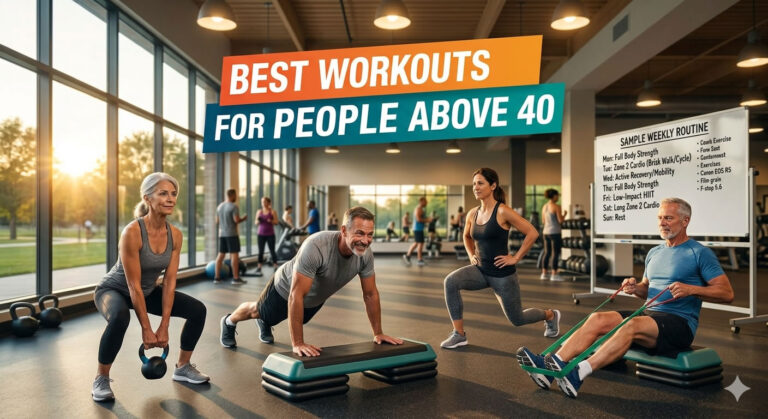
Fitness in Your 20s–30s
- Build strength and muscle
- Improve stamina
- Establish healthy habits
Fitness in Your 40s–50s
- Maintain muscle mass
- Protect joints
- Manage stress and weight
Fitness in Your 60s+
- Preserve mobility
- Improve balance
- Maintain independence
👉 Fitness is what helps you age well, not just look good.
Fitness Is More Than Just Appearance
Most people start fitness to:
- Lose weight
- Look better
- Get abs
But long-term fitness delivers much more.
Lifelong Benefits of Fitness
- Strong heart and lungs
- Healthy bones and joints
- Better digestion
- Strong immunity
- Reduced stress and anxiety
- Better sleep
- Sharper mental focus
Looking good is a bonus—feeling good is the real reward.
What Happens When You Stop Being Active?
Ignoring fitness doesn’t show immediate damage—but the effects add up.
Long-Term Effects of Inactivity
- Muscle loss
- Weak bones
- Poor posture
- Weight gain
- Low energy
- Chronic pain
- Increased disease risk
Your body adapts to inactivity just as it adapts to training.
Fitness Protects Your Independence
One of the biggest benefits of lifelong fitness is freedom.
Being fit means:
- Climbing stairs easily
- Carrying groceries
- Playing with kids
- Traveling without fatigue
- Living without constant pain
Fitness gives you control over your life, not dependence.
Fitness and Mental Health (Underrated Benefit)
Lifelong fitness supports mental well-being.
Mental Benefits of Staying Active
- Reduced stress
- Better mood
- Lower anxiety
- Improved confidence
- Mental clarity
Exercise releases endorphins and helps manage daily stress naturally.
Fitness Builds Discipline That Spreads Everywhere
People who commit to fitness long-term often:
- Manage time better
- Handle stress better
- Stay consistent in other goals
- Develop self-respect
Fitness teaches discipline—and discipline improves life.
Why Motivation Alone Is Not Enough
Motivation is temporary.
Lifelong fitness is built on habits.
Truth About Motivation
- You won’t feel motivated every day
- Some workouts will feel average
- Some days will be hard
Fit people continue even without motivation.
Fitness as a Habit, Not a Task
When fitness becomes a habit:
- You don’t debate whether to work out
- You don’t wait for “perfect time”
- You adjust instead of quitting
Habits make fitness automatic.
You Don’t Need Extreme Workouts Forever
Lifelong fitness does not mean intense training forever.
Sustainable Fitness Looks Like:
- Short workouts
- Daily walking
- Stretching
- Strength training 2–4 days/week
- Active lifestyle
Simple routines done consistently beat extreme routines done briefly.
Fitness Must Adapt, Not Stop
Life changes:
- Busy schedules
- Family responsibilities
- Job stress
- Aging
Lifelong fitness means adjusting intensity, not quitting.
Example:
- Busy day → short walk
- Low energy → stretching
- Injury → recovery-focused movement
Doing something is always better than doing nothing.
Fitness Is the Best Long-Term Investment
You can invest in:
- Money
- Property
- Career
But fitness is the only investment that:
- Improves quality of life
- Reduces medical costs
- Increases lifespan
- Enhances daily energy
You don’t regret staying fit—you regret neglecting it.
Fitness Prevents Lifestyle Diseases
Regular physical activity helps prevent:
- Heart disease
- Diabetes
- High blood pressure
- Obesity
- Joint issues
Fitness is preventive medicine.
Fitness Is About Longevity, Not Just Youth
Looking fit is great—but staying functional and pain-free is better.
Lifelong fitness helps you:
- Stay active in old age
- Avoid chronic pain
- Maintain balance and mobility
- Live independently
Common Myths About Lifelong Fitness
Myth: Fitness is only for young people
✔ Fitness is more important as you age
Myth: You need gym forever
✔ Movement matters, not location
Myth: Missing days ruins progress
✔ Long-term consistency matters more
How to Commit to Fitness for Life (Practical Tips)
1. Choose Activities You Enjoy
Walking, yoga, home workouts—enjoyment increases consistency.
2. Keep Fitness Simple
Complex plans don’t last.
3. Focus on Health, Not Perfection
Progress > perfection.
4. Build Daily Movement
Fitness is not only workouts—it’s lifestyle activity.
5. Be Flexible, Not Rigid
Adapt routines to life changes.
Sample Lifelong Fitness Approach
Daily
- Walking or movement
- Stretching
Weekly
- 2–4 strength workouts
- Active recovery
Lifestyle
- Balanced diet
- Good sleep
- Stress management
Simple. Sustainable. Long-term.
The Real Goal of Fitness
The real goal of fitness is not:
- A number on the scale
- A perfect body
The real goal is:
- Energy
- Strength
- Health
- Confidence
- Independence
Fitness Is a Relationship, Not a Deadline
You don’t “finish” fitness.
You live it.
Some phases will be intense.
Some will be slow.
Some will be about recovery.
All phases matter.
Final Thoughts
Fitness is not a short-term project—it’s a lifelong partnership with your body.
When you commit to fitness for life, you’re choosing:
- Better health
- Better aging
- Better energy
- Better quality of life
👉 Remember:
You only get one body. Take care of it—for life.
Start small. Stay consistent. Adapt as needed.
Fitness doesn’t demand perfection—only commitment. 💪
Many people start fitness with excitement—new workout plans, diet charts, and big goals. But after a few weeks or months, motivation fades, routines break, and old habits return. This happens because most people see fitness as a temporary task, not a lifelong commitment.
The truth is simple: fitness is not a 30-day challenge, a wedding goal, or a summer body plan. It is a way of living that supports your body, mind, and overall quality of life—today, tomorrow, and for years to come.
In this detailed guide, you’ll understand why fitness must be a lifelong commitment, how your body changes over time, what happens when fitness is ignored, and how to build sustainable habits that last forever.
What Does “Lifelong Fitness” Really Mean?
Lifelong fitness does not mean:
- Working out intensely every day
- Following strict diets forever
- Having a perfect body at all times
Lifelong fitness means:
- Staying active regularly
- Eating balanced meals most of the time
- Taking care of your mental health
- Adapting fitness with age and lifestyle
- Making health a priority, not a phase
👉 Fitness evolves with you—it doesn’t end.
The Biggest Fitness Mistake People Make
The most common mistake is thinking:
“I’ll work out for a few months, get results, then stop.”
But fitness doesn’t work like exams or projects.
The Reality:
- Stop training → strength decreases
- Stop moving → metabolism slows
- Stop caring → health declines
Your body constantly adapts to how you treat it. Fitness must be ongoing to maintain results.
Why Short-Term Fitness Never Works
1. Results Are Temporary
Crash diets and extreme workouts may give fast results—but they don’t last.
Once you stop:
- Weight comes back
- Strength drops
- Energy decreases
This creates a cycle of start → quit → restart → frustration.
2. The Body Always Needs Maintenance
Just like:
- A phone needs charging
- A car needs servicing
Your body needs regular movement and care to function well.
3. Health Problems Don’t Appear Overnight
Lifestyle diseases like:
- Obesity
- Diabetes
- Heart disease
- Joint pain
Develop slowly over years of poor habits. Fitness helps prevent, not just treat, these problems.
Fitness Changes with Every Stage of Life
Your fitness journey doesn’t stay the same forever—it adapts.
Fitness in Your 20s–30s
- Build strength and muscle
- Improve stamina
- Establish healthy habits
Fitness in Your 40s–50s
- Maintain muscle mass
- Protect joints
- Manage stress and weight
Fitness in Your 60s+
- Preserve mobility
- Improve balance
- Maintain independence
👉 Fitness is what helps you age well, not just look good.
Fitness Is More Than Just Appearance
Most people start fitness to:
- Lose weight
- Look better
- Get abs
But long-term fitness delivers much more.
Lifelong Benefits of Fitness
- Strong heart and lungs
- Healthy bones and joints
- Better digestion
- Strong immunity
- Reduced stress and anxiety
- Better sleep
- Sharper mental focus
Looking good is a bonus—feeling good is the real reward.
What Happens When You Stop Being Active?
Ignoring fitness doesn’t show immediate damage—but the effects add up.
Long-Term Effects of Inactivity
- Muscle loss
- Weak bones
- Poor posture
- Weight gain
- Low energy
- Chronic pain
- Increased disease risk
Your body adapts to inactivity just as it adapts to training.
Fitness Protects Your Independence
One of the biggest benefits of lifelong fitness is freedom.
Being fit means:
- Climbing stairs easily
- Carrying groceries
- Playing with kids
- Traveling without fatigue
- Living without constant pain
Fitness gives you control over your life, not dependence.
Fitness and Mental Health (Underrated Benefit)
Lifelong fitness supports mental well-being.
Mental Benefits of Staying Active
- Reduced stress
- Better mood
- Lower anxiety
- Improved confidence
- Mental clarity
Exercise releases endorphins and helps manage daily stress naturally.
Fitness Builds Discipline That Spreads Everywhere
People who commit to fitness long-term often:
- Manage time better
- Handle stress better
- Stay consistent in other goals
- Develop self-respect
Fitness teaches discipline—and discipline improves life.
Why Motivation Alone Is Not Enough
Motivation is temporary.
Lifelong fitness is built on habits.
Truth About Motivation
- You won’t feel motivated every day
- Some workouts will feel average
- Some days will be hard
Fit people continue even without motivation.
Fitness as a Habit, Not a Task
When fitness becomes a habit:
- You don’t debate whether to work out
- You don’t wait for “perfect time”
- You adjust instead of quitting
Habits make fitness automatic.
You Don’t Need Extreme Workouts Forever
Lifelong fitness does not mean intense training forever.
Sustainable Fitness Looks Like:
- Short workouts
- Daily walking
- Stretching
- Strength training 2–4 days/week
- Active lifestyle
Simple routines done consistently beat extreme routines done briefly.
Fitness Must Adapt, Not Stop
Life changes:
- Busy schedules
- Family responsibilities
- Job stress
- Aging
Lifelong fitness means adjusting intensity, not quitting.
Example:
- Busy day → short walk
- Low energy → stretching
- Injury → recovery-focused movement
Doing something is always better than doing nothing.
Fitness Is the Best Long-Term Investment
You can invest in:
- Money
- Property
- Career
But fitness is the only investment that:
- Improves quality of life
- Reduces medical costs
- Increases lifespan
- Enhances daily energy
You don’t regret staying fit—you regret neglecting it.
Fitness Prevents Lifestyle Diseases
Regular physical activity helps prevent:
- Heart disease
- Diabetes
- High blood pressure
- Obesity
- Joint issues
Fitness is preventive medicine.
Fitness Is About Longevity, Not Just Youth
Looking fit is great—but staying functional and pain-free is better.
Lifelong fitness helps you:
- Stay active in old age
- Avoid chronic pain
- Maintain balance and mobility
- Live independently
Common Myths About Lifelong Fitness
Myth: Fitness is only for young people
✔ Fitness is more important as you age
Myth: You need gym forever
✔ Movement matters, not location
Myth: Missing days ruins progress
✔ Long-term consistency matters more
How to Commit to Fitness for Life (Practical Tips)
1. Choose Activities You Enjoy
Walking, yoga, home workouts—enjoyment increases consistency.
2. Keep Fitness Simple
Complex plans don’t last.
3. Focus on Health, Not Perfection
Progress > perfection.
4. Build Daily Movement
Fitness is not only workouts—it’s lifestyle activity.
5. Be Flexible, Not Rigid
Adapt routines to life changes.
Sample Lifelong Fitness Approach
Daily
- Walking or movement
- Stretching
Weekly
- 2–4 strength workouts
- Active recovery
Lifestyle
- Balanced diet
- Good sleep
- Stress management
Simple. Sustainable. Long-term.
The Real Goal of Fitness
The real goal of fitness is not:
- A number on the scale
- A perfect body
The real goal is:
- Energy
- Strength
- Health
- Confidence
- Independence
Fitness Is a Relationship, Not a Deadline
You don’t “finish” fitness.
You live it.
Some phases will be intense.
Some will be slow.
Some will be about recovery.
All phases matter.
Final Thoughts
Fitness is not a short-term project—it’s a lifelong partnership with your body.
When you commit to fitness for life, you’re choosing:
- Better health
- Better aging
- Better energy
- Better quality of life
👉 Remember:
You only get one body. Take care of it—for life.
Start small. Stay consistent. Adapt as needed.
Fitness doesn’t demand perfection—only commitment. 💪
About The Author