Starting a fitness journey is exciting, but it often comes with a barrage of marketing. If you’ve scrolled through Instagram or walked into a local gym lately, you’ve likely seen neon-colored tubs promising “instant gains” and “fat-burning miracles.”
As a newcomer, the question is inevitable: Do you really need supplements for fitness beginners, or is it all just expensive pee?
In this guide, we’re stripping away the marketing fluff to reveal what the science actually says about supplementation for those just starting out.
1. The “Supplement Pyramid”: Why Food Comes First
Before we talk about pills and powders, we have to talk about the foundation. Think of your fitness progress like a house.
- The Foundation: Sleep, Hydration, and Stress Management.
- The Walls: Consistent Training and Progressive Overload.
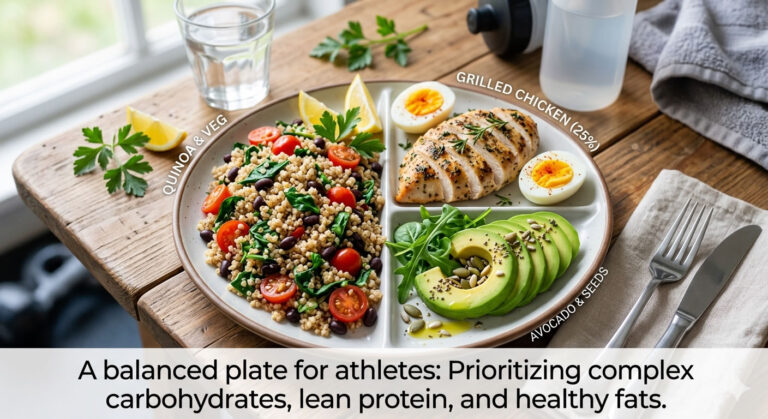
- The Roof: Whole-Food Nutrition (Calories and Macros).
- The Chimney: Supplements.
If you don’t have walls or a foundation, the chimney has nothing to sit on. For most beginners, 95% of your results will come from eating enough protein, hitting your calorie goals, and showing up to the gym. Supplements are the final 5%.
2. When Should a Beginner Consider Supplements?
You don’t need a cabinet full of supplements on day one. However, there are three specific scenarios where they become useful:
- Convenience: You struggle to cook or eat enough whole-food protein (like chicken or lentils) during a busy workday.
- Nutritional Gaps: A blood test shows you are deficient in something specific, like Vitamin D or Iron.
- Performance Edge: You have been training consistently for 3–6 months and want to squeeze out that extra 5% of performance.
3. The Only Supplements That Actually Work for Beginners
The supplement industry is worth billions, but only a handful of products have rigorous scientific backing. If you are going to spend your hard-earned money, focus on these:
A. Whey Protein (or Plant-Based Alternative)
Why: To build muscle, you need roughly 0.8g to 1g of protein per pound of body weight. For many, that’s a lot of eating. The Truth: Protein powder isn’t “magic.” It is simply processed food. It’s a convenient, high-quality protein source that helps you hit your daily targets when you’re on the go.
B. Creatine Monohydrate
Why: Creatine is the most researched supplement in history. It helps your muscles produce energy during heavy lifting or high-intensity exercise. The Truth: It’s cheap, safe, and effective. It helps with strength and muscle fullness. However, as a beginner, your “newbie gains” will be so fast initially that you don’t need it immediately—but it won’t hurt.
C. Caffeine (Pre-Workout)
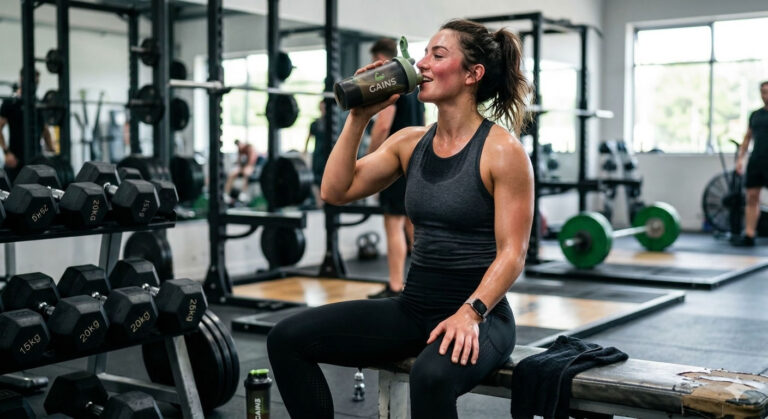
Why: Most “Pre-Workout” powders are just expensive flavored caffeine. The Truth: Caffeine increases focus and reduces perceived exertion. You can get the same effect from a cup of black coffee for a fraction of the price.
4. Supplements Beginners Should Avoid (The Money Traps)
As a beginner, stay away from these “hyped” products:
- BCAAs (Branched-Chain Amino Acids): If you are eating enough protein, you are already getting plenty of BCAAs. Drinking them during a workout offers almost zero additional benefit.
- Fat Burners: There is no pill that can replace a caloric deficit. Most “fat burners” are just stimulants that make your heart race but don’t significantly increase metabolic rate.
- Mass Gainers: These are usually filled with cheap sugars and low-quality fillers. You’re better off making a high-calorie smoothie at home with oats, peanut butter, and protein powder.
5. Focus on the “Big Three” Instead
If you want to see real changes in your physique, prioritize these three things over any supplement:
- Protein Consistency: Hit your protein goal every single day, not just on gym days.
- The Rule of 8 Hours: Get enough sleep so your muscles can actually repair the damage from your workouts.
- The Logbook: Track your lifts. If you aren’t getting stronger over time, no amount of creatine will save your progress.
Final Verdict: Are Supplements Necessary?
No. You can build an incredible physique with zero supplements.
However, they are useful tools. Use protein powder for convenience, use creatine for a slight performance boost, and use a multivitamin if your diet lacks variety.
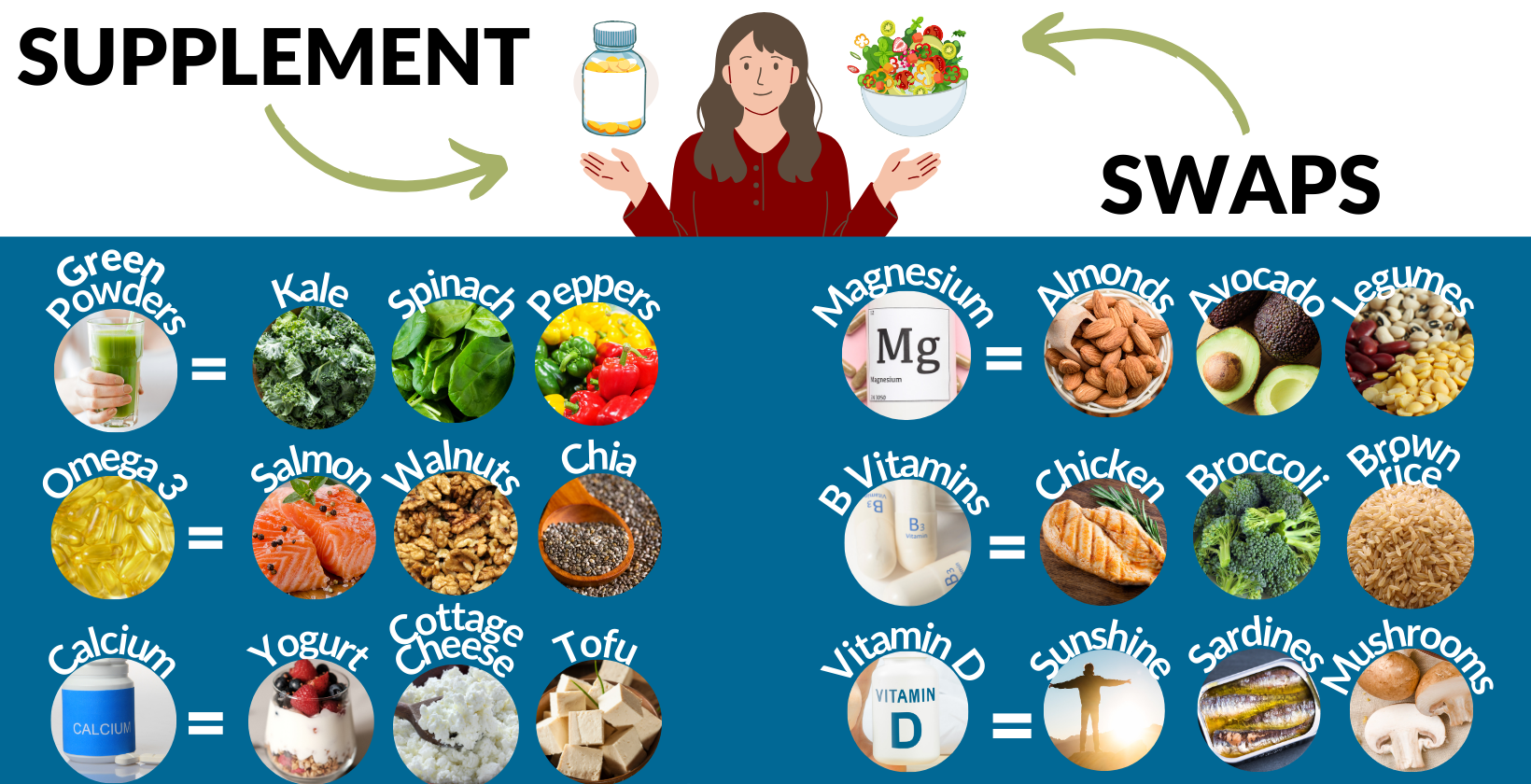
The Golden Rule: Never let your supplement budget exceed your grocery budget. Spend your money on high-quality steaks, eggs, vegetables, and fruit first.
👉 Follow Fit With Sonu for honest fitness advice and beginner-friendly tips!
About The Author