Good health is not built overnight, and it does not require extreme diets, expensive supplements, or intense workout routines. True health comes from simple lifestyle changes practiced consistently.
Most people believe they need to completely change their life to become healthy—but in reality, small daily habits create the biggest long-term impact. These changes are easy to follow, realistic, and suitable for people of all ages.
In this detailed guide, you’ll learn simple lifestyle changes for better health that improve physical fitness, mental well-being, energy levels, and overall quality of life.
Why Lifestyle Matters More Than Short-Term Efforts
Many health problems today—such as obesity, diabetes, heart disease, back pain, stress, and fatigue—are not caused by lack of medicine, but by poor lifestyle habits.
Lifestyle affects:
- Energy levels
- Body weight
- Mental health
- Immunity
- Longevity
👉 Healthy living is not about perfection, it’s about consistency.
What Is a Healthy Lifestyle?
A healthy lifestyle includes:
- Regular movement
- Balanced eating
- Proper sleep
- Stress management
- Mental peace
- Good daily habits
You don’t need to do everything at once. Start with one habit at a time.
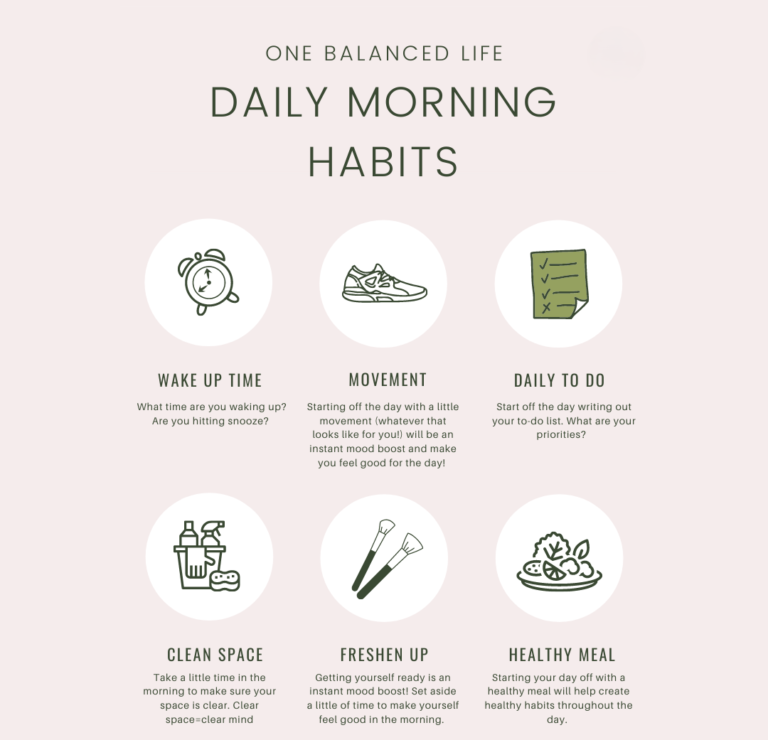
1. Start Your Day with a Healthy Morning Routine
Your morning sets the tone for the entire day.
Simple Morning Habits
- Wake up at a fixed time
- Drink 1–2 glasses of water
- Stretch for 5–10 minutes
- Get some sunlight
These habits wake up your body and mind naturally.
2. Move Your Body Every Day (Even Light Movement Counts)
You don’t need a gym to stay active.
Easy Ways to Stay Active
- Walk daily (30 minutes)
- Use stairs instead of lifts
- Stretch during breaks
- Do household chores actively
Daily movement improves circulation, metabolism, and joint health.
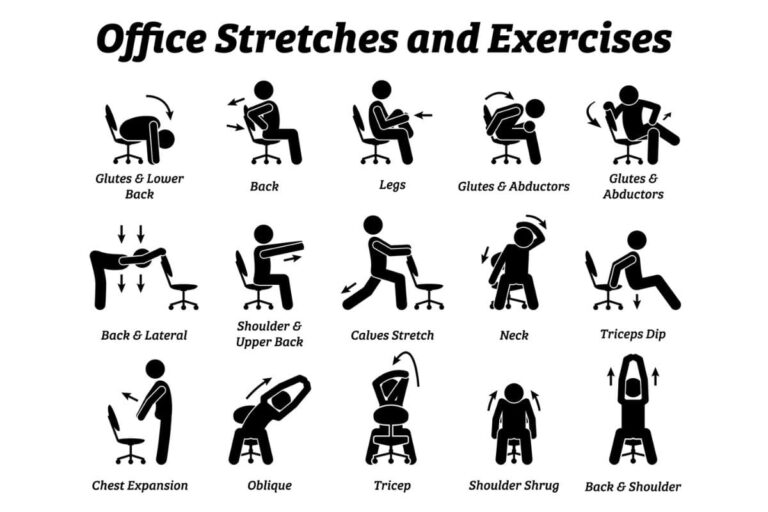
3. Avoid Sitting for Long Hours
Prolonged sitting is one of the biggest threats to modern health.
Simple Fixes
- Stand up every 30–60 minutes
- Walk while taking phone calls
- Stretch at your desk
These small movements prevent stiffness, back pain, and poor posture.
4. Eat Balanced Meals (Not Extreme Diets)
You don’t need to follow strict diets to be healthy.
Balanced Diet Basics
- Include protein in every meal
- Eat fruits and vegetables daily
- Choose whole grains
- Limit processed food
👉 Healthy eating is about balance, not restriction.
5. Control Portion Sizes
Even healthy food can cause weight gain if overeaten.
Portion Control Tips
- Eat slowly
- Stop eating when 80% full
- Avoid eating while watching screens
Listening to your body improves digestion and weight control.
6. Drink Enough Water Daily
Dehydration causes fatigue, headaches, and poor digestion.
Simple Hydration Habits
- Keep a water bottle nearby
- Drink water every 30–60 minutes
- Start and end your day with water
Aim for 2.5–3 liters per day depending on activity level.
7. Prioritize Sleep (Most Ignored Health Habit)
Sleep is when your body repairs itself.
Benefits of Good Sleep
- Better immunity
- Hormonal balance
- Improved mood
- Faster recovery
Sleep Tips
- Sleep 7–9 hours daily
- Avoid screens before bed
- Maintain a fixed sleep schedule
Good sleep improves everything—fitness, focus, and mental health.
8. Reduce Stress with Simple Daily Practices
Chronic stress damages both mind and body.
Simple Stress-Relief Habits
- Deep breathing (5 minutes)
- Short walks
- Stretching
- Meditation or silence
Managing stress improves digestion, sleep, and immunity.
9. Eat Mindfully (Not Emotionally)
Many people eat due to stress, boredom, or emotions.
Mindful Eating Tips
- Eat without distractions
- Notice hunger and fullness cues
- Avoid emotional snacking
Mindful eating supports healthy digestion and weight balance.
10. Include Protein in Daily Diet
Protein supports muscles, immunity, and metabolism.
Natural Protein Sources
- Eggs
- Dal and legumes
- Paneer or tofu
- Milk and curd
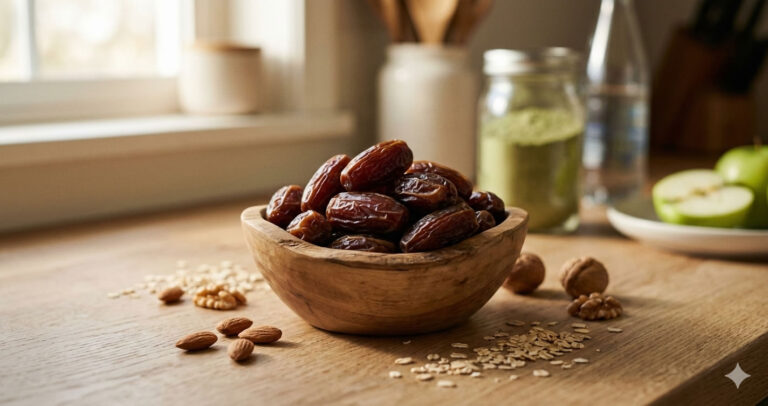
- Nuts and seeds
Adequate protein keeps you full and energetic.
11. Limit Sugar and Junk Food Gradually
You don’t need to quit junk food suddenly.
Smarter Approach
- Reduce frequency, not eliminate instantly
- Replace sugary snacks with fruits
- Choose homemade food more often
Small reductions are more sustainable.
12. Spend Less Time on Screens
Excess screen time affects:
- Sleep quality
- Mental health
- Eye health
- Physical activity
Simple Screen Control Tips
- Take breaks every hour
- Avoid screens before sleep
- Spend time outdoors
Digital balance improves both mental and physical health.
13. Practice Daily Stretching
Stretching keeps muscles flexible and joints healthy.
Benefits of Stretching
- Reduces stiffness
- Improves posture
- Prevents injuries
Just 5–10 minutes daily is enough.
14. Breathe Properly (Yes, It Matters)
Most people breathe shallowly due to stress.
Deep Breathing Benefits
- Calms the nervous system
- Reduces anxiety
- Improves oxygen supply
Practice slow, deep breathing for a few minutes daily.
15. Build Consistency, Not Perfection
Trying to be perfect leads to quitting.
Healthy Mindset
- Missed one day? Continue the next
- Focus on progress, not mistakes
- Keep habits simple
Consistency beats motivation every time.
16. Stay Socially Active
Good relationships improve mental health.
Simple Social Habits
- Talk to friends or family
- Spend time with loved ones
- Laugh more
Mental well-being supports physical health.
17. Get Regular Sunlight Exposure
Sunlight helps with:
- Vitamin D
- Mood improvement
- Sleep regulation
Spend 10–15 minutes daily in natural light if possible.
18. Avoid Extreme Health Trends
Extreme diets, detoxes, or challenges often:
- Harm metabolism
- Cause nutrient deficiencies
- Lead to burnout
Stick to simple, proven habits.
19. Track Small Wins
Tracking helps you stay motivated.
What You Can Track
- Steps walked
- Water intake
- Workout days
- Sleep hours
Small wins create momentum.
20. Think Long-Term, Not Quick Fix
Health is not a 30-day challenge—it’s a lifelong journey.
Long-Term Focus
- Sustainable habits
- Balanced lifestyle
- Enjoyable routines
Your goal should be health you can maintain.
Sample Simple Healthy Daily Routine
Morning
- Water + stretching
- Light walk or movement
Daytime
- Balanced meals
- Stay active
Evening
- Short workout or walk
- Light dinner
Night
- Relaxation
- Quality sleep
Simple. Practical. Effective.
Benefits of Simple Lifestyle Changes
By following these habits, you can:
- Improve energy levels
- Maintain healthy weight
- Reduce stress
- Improve digestion
- Boost immunity
- Prevent lifestyle diseases
All without extreme effort.
Common Mistakes to Avoid
❌ Trying too many changes at once
❌ Following extreme diets
❌ Ignoring sleep and stress
❌ Expecting fast results
Avoiding these mistakes ensures success.
Final Thoughts
You don’t need to change your life overnight to become healthy. Small lifestyle changes done daily create powerful long-term results.
Start with one habit today—drink more water, walk a little more, sleep better, or eat mindfully. Over time, these habits will transform your health naturally.
👉 Remember:
Better health is built one simple habit at a time.
Stay consistent. Stay patient. Stay healthy. 💪
Good health is not built overnight, and it does not require extreme diets, expensive supplements, or intense workout routines. True health comes from simple lifestyle changes practiced consistently.
Most people believe they need to completely change their life to become healthy—but in reality, small daily habits create the biggest long-term impact. These changes are easy to follow, realistic, and suitable for people of all ages.
In this detailed guide, you’ll learn simple lifestyle changes for better health that improve physical fitness, mental well-being, energy levels, and overall quality of life.
Why Lifestyle Matters More Than Short-Term Efforts
Many health problems today—such as obesity, diabetes, heart disease, back pain, stress, and fatigue—are not caused by lack of medicine, but by poor lifestyle habits.
Lifestyle affects:
- Energy levels
- Body weight
- Mental health
- Immunity
- Longevity
👉 Healthy living is not about perfection, it’s about consistency.
What Is a Healthy Lifestyle?
A healthy lifestyle includes:
- Regular movement
- Balanced eating
- Proper sleep
- Stress management
- Mental peace
- Good daily habits
You don’t need to do everything at once. Start with one habit at a time.
1. Start Your Day with a Healthy Morning Routine
Your morning sets the tone for the entire day.
Simple Morning Habits
- Wake up at a fixed time
- Drink 1–2 glasses of water
- Stretch for 5–10 minutes
- Get some sunlight
These habits wake up your body and mind naturally.
2. Move Your Body Every Day (Even Light Movement Counts)
You don’t need a gym to stay active.
Easy Ways to Stay Active
- Walk daily (30 minutes)
- Use stairs instead of lifts
- Stretch during breaks
- Do household chores actively
Daily movement improves circulation, metabolism, and joint health.
3. Avoid Sitting for Long Hours
Prolonged sitting is one of the biggest threats to modern health.
Simple Fixes
- Stand up every 30–60 minutes
- Walk while taking phone calls
- Stretch at your desk
These small movements prevent stiffness, back pain, and poor posture.
4. Eat Balanced Meals (Not Extreme Diets)
You don’t need to follow strict diets to be healthy.
Balanced Diet Basics
- Include protein in every meal
- Eat fruits and vegetables daily
- Choose whole grains
- Limit processed food
👉 Healthy eating is about balance, not restriction.
5. Control Portion Sizes
Even healthy food can cause weight gain if overeaten.
Portion Control Tips
- Eat slowly
- Stop eating when 80% full
- Avoid eating while watching screens
Listening to your body improves digestion and weight control.
6. Drink Enough Water Daily
Dehydration causes fatigue, headaches, and poor digestion.
Simple Hydration Habits
- Keep a water bottle nearby
- Drink water every 30–60 minutes
- Start and end your day with water
Aim for 2.5–3 liters per day depending on activity level.
7. Prioritize Sleep (Most Ignored Health Habit)
Sleep is when your body repairs itself.
Benefits of Good Sleep
- Better immunity
- Hormonal balance
- Improved mood
- Faster recovery
Sleep Tips
- Sleep 7–9 hours daily
- Avoid screens before bed
- Maintain a fixed sleep schedule
Good sleep improves everything—fitness, focus, and mental health.
8. Reduce Stress with Simple Daily Practices
Chronic stress damages both mind and body.
Simple Stress-Relief Habits
- Deep breathing (5 minutes)
- Short walks
- Stretching
- Meditation or silence
Managing stress improves digestion, sleep, and immunity.
9. Eat Mindfully (Not Emotionally)
Many people eat due to stress, boredom, or emotions.
Mindful Eating Tips
- Eat without distractions
- Notice hunger and fullness cues
- Avoid emotional snacking
Mindful eating supports healthy digestion and weight balance.
10. Include Protein in Daily Diet
Protein supports muscles, immunity, and metabolism.
Natural Protein Sources
- Eggs
- Dal and legumes
- Paneer or tofu
- Milk and curd
- Nuts and seeds
Adequate protein keeps you full and energetic.
11. Limit Sugar and Junk Food Gradually
You don’t need to quit junk food suddenly.
Smarter Approach
- Reduce frequency, not eliminate instantly
- Replace sugary snacks with fruits
- Choose homemade food more often
Small reductions are more sustainable.
12. Spend Less Time on Screens
Excess screen time affects:
- Sleep quality
- Mental health
- Eye health
- Physical activity
Simple Screen Control Tips
- Take breaks every hour
- Avoid screens before sleep
- Spend time outdoors
Digital balance improves both mental and physical health.
13. Practice Daily Stretching
Stretching keeps muscles flexible and joints healthy.
Benefits of Stretching
- Reduces stiffness
- Improves posture
- Prevents injuries
Just 5–10 minutes daily is enough.
14. Breathe Properly (Yes, It Matters)
Most people breathe shallowly due to stress.
Deep Breathing Benefits
- Calms the nervous system
- Reduces anxiety
- Improves oxygen supply
Practice slow, deep breathing for a few minutes daily.
15. Build Consistency, Not Perfection
Trying to be perfect leads to quitting.
Healthy Mindset
- Missed one day? Continue the next
- Focus on progress, not mistakes
- Keep habits simple
Consistency beats motivation every time.
16. Stay Socially Active
Good relationships improve mental health.
Simple Social Habits
- Talk to friends or family
- Spend time with loved ones
- Laugh more
Mental well-being supports physical health.
17. Get Regular Sunlight Exposure
Sunlight helps with:
- Vitamin D
- Mood improvement
- Sleep regulation
Spend 10–15 minutes daily in natural light if possible.
18. Avoid Extreme Health Trends
Extreme diets, detoxes, or challenges often:
- Harm metabolism
- Cause nutrient deficiencies
- Lead to burnout
Stick to simple, proven habits.
19. Track Small Wins
Tracking helps you stay motivated.
What You Can Track
- Steps walked
- Water intake
- Workout days
- Sleep hours
Small wins create momentum.
20. Think Long-Term, Not Quick Fix
Health is not a 30-day challenge—it’s a lifelong journey.
Long-Term Focus
- Sustainable habits
- Balanced lifestyle
- Enjoyable routines
Your goal should be health you can maintain.
Sample Simple Healthy Daily Routine
Morning
- Water + stretching
- Light walk or movement
Daytime
- Balanced meals
- Stay active
Evening
- Short workout or walk
- Light dinner
Night
- Relaxation
- Quality sleep
Simple. Practical. Effective.
Benefits of Simple Lifestyle Changes
By following these habits, you can:
- Improve energy levels
- Maintain healthy weight
- Reduce stress
- Improve digestion
- Boost immunity
- Prevent lifestyle diseases
All without extreme effort.
Common Mistakes to Avoid
❌ Trying too many changes at once
❌ Following extreme diets
❌ Ignoring sleep and stress
❌ Expecting fast results
Avoiding these mistakes ensures success.
Final Thoughts
You don’t need to change your life overnight to become healthy. Small lifestyle changes done daily create powerful long-term results.
Start with one habit today—drink more water, walk a little more, sleep better, or eat mindfully. Over time, these habits will transform your health naturally.
👉 Remember:
Better health is built one simple habit at a time.
Stay consistent. Stay patient. Stay healthy. 💪
👉 Follow Fit With Sonu for realistic, beginner-friendly fitness and lifestyle guidance that fits real life!
About The Author