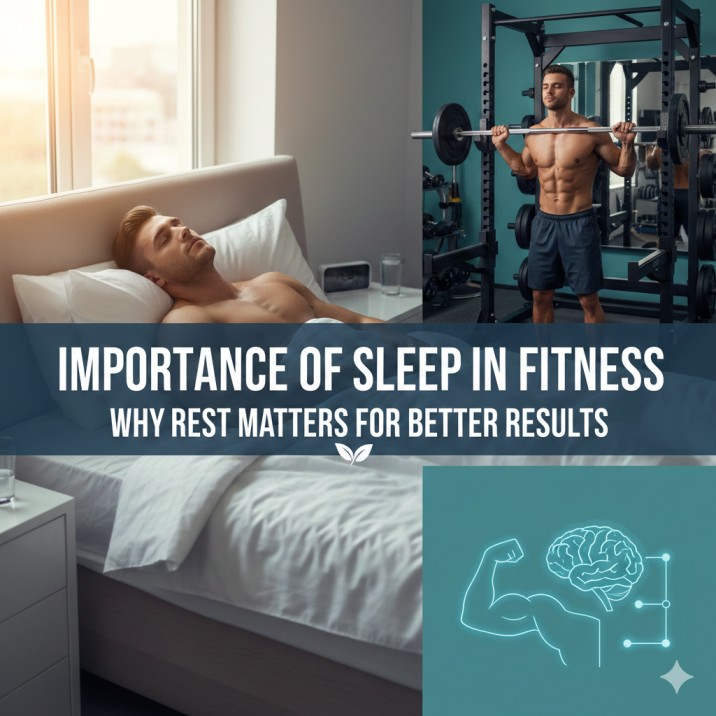
When most people think of fitness, they focus on workouts and nutrition—but there’s a third pillar that’s just as essential: sleep. Quality rest is not a luxury; it’s a biological necessity that supports physical performance, recovery, hormonal balance and mental well-being. Despite this, many fitness enthusiasts underestimate the role of sleep in achieving their goals.
In reality, sleep impacts everything your body does to grow stronger, burn fat, and stay healthy. Below, we break down why rest matters in fitness and how prioritizing sleep can boost your results.
Why Sleep Is Just as Important as Exercise and Nutrition
While exercise builds strength and nutrition provides fuel, sleep is when your body actually repairs and evolves.
Sleep and Muscle Recovery
When you sleep, the body enters a deep restorative state where protein synthesis and muscle repair happen most efficiently. Growth hormone — essential for muscle repair and fat metabolism — is released predominantly during deep sleep. Without enough rest, your muscles get less recovery time, slowing gains and increasing injury risk.
Hormones and Appetite Control
Sleep directly affects hormones like ghrelin (hunger hormone) and leptin (satiety hormone). When you’re sleep-deprived, ghrelin rises and leptin falls, increasing hunger and cravings — especially for sugary, processed foods.
Immune Function
Rest allows your immune system to produce protective proteins like cytokines, helping your body fight off disease and inflammation. Poor sleep weakens immunity, prolongs recovery from exercise, and increases susceptibility to infections.
🏃♂️ How Sleep Directly Affects Your Fitness Performance
Reduced Strength and Endurance
Studies show that poor sleep leads to slower reaction times, weaker strength gains, and reduced endurance. Without proper rest, your nervous system and muscles stay fatigued, lowering overall performance.
Metabolism and Weight Management
Lack of sleep slows metabolic function and elevates stress hormones like cortisol. High cortisol encourages fat storage — particularly around the abdomen — and makes it harder to lose weight even when you’re eating right and training hard.
Cardiovascular Health
Sleep helps regulate blood pressure and heart rate, especially during deep sleep. Chronic sleep deprivation can increase risk factors for heart disease — even in people who exercise regularly.
🧠 Sleep Improves Mental Performance and Motivation
Training isn’t just physical — it’s cognitive too. Sleep is when the brain consolidates memory and restores focus, problem-solving ability, and emotional balance. Poor sleep can lead to irritability, poor concentration, and low motivation — all of which make consistent training harder to maintain.
⏰ How Much Sleep Do You Actually Need?
Most adults benefit most from 7–9 hours of quality sleep per night. This doesn’t only mean hours spent in bed — it means restful, uninterrupted sleep. Quality matters just as much as quantity.
Signs you’re not sleeping enough:
- Persistently tired or groggy in the morning
- Difficulty concentrating
- Cravings and mood swings
- Plateauing in strength or performance
🧩 Sleep and Fitness: How They Support Each Other
Exercise can improve your sleep quality, but sleep also improves your ability to train effectively. Moderate physical activity encourages deeper, longer sleep cycles — especially when done earlier in the day.
Best Practices for Sleep and Fitness
✔ Exercise regularly
✔ Avoid intense workouts too close to bedtime
✔ Maintain a consistent sleep schedule
✔ Create a calm, dark, cool bedroom
✔ Limit caffeine late in the day
🧘♂️ Practical Tips to Improve Your Sleep Quality
1. Keep a Sleep Schedule
Go to bed and wake up at the same time every day — this trains your internal clock.
2. Create a Relaxing Bedtime Routine
Turn off screens, dim lights, and do calming activities like reading or stretching.
3. Monitor Your Environment
Reduce noise, maintain a cool room temperature, and ensure your bed is comfortable.
Investing in a supportive mattress and removing sleep disruptors like bright clocks or electronic noise can make a real difference in how restful your sleep feels.
🛑 The Dangers of Sleep Deprivation
Consistently getting less than the recommended amount of sleep can lead to:
- Weight gain
- Chronic fatigue
- Increased risk of diabetes and heart disease
- Weakened immune response
- Slower muscle recovery
- Mood disorders like anxiety or depression
These effects can derail both your fitness goals and your overall health.
📈 Track Your Sleep for Better Results
To optimize fitness progress:
- Use a sleep diary or tracker
- Note how many hours and quality of sleep you get
- Track how you feel and perform during workouts
Over time, you’ll see patterns — and you can adjust training or rest accordingly.
🧠 Conclusion — Why Rest Matters
Fitness is not just about how hard you work in the gym or what you eat — it’s also about how well you rest. Sleep supports recovery, hormones, performance, immunity, metabolism, and mental function.
Prioritize sleep like you would a workout or a healthy meal, and you’ll unlock better results — with less risk of injury, burnout, or stalled progress. Good sleep isn’t a luxury — it’s a foundation for your fitness success.
👉 Stay connected with Fit With Sonu for more fitness and lifestyle tips!
About The Author