Exercise alone is not enough to achieve your fitness goals. What you eat before and after a workout plays a crucial role in your energy levels, performance, muscle recovery, and overall results. Whether your goal is weight loss, muscle gain, or general fitness, the right workout nutrition can make a big difference.
In this detailed guide, you’ll learn what to eat before and after a workout, why it matters, common mistakes to avoid, and practical meal ideas you can easily follow.
Why Pre- and Post-Workout Nutrition Is Important
Your body needs fuel to perform and nutrients to recover.
- Before workout: Food provides energy, improves endurance, and prevents muscle breakdown.
- After workout: Food helps repair muscles, restore energy, and reduce soreness.
Skipping either can slow progress and increase fatigue.
What to Eat Before a Workout (Pre-Workout Nutrition)
Why Pre-Workout Meals Matter
A pre-workout meal:
- Boosts energy levels
- Improves strength and stamina
- Prevents dizziness and weakness
- Helps you train longer and harder
Best Time to Eat Before Workout
- 2–3 hours before: Full balanced meal
- 30–60 minutes before: Light snack
The closer your meal is to your workout, the lighter it should be.
Ideal Nutrients Before Workout
1. Carbohydrates (Main Energy Source)
Carbs provide quick energy and help you perform better.
Good carb sources:
- Oats
- Brown rice
- Whole wheat bread
- Fruits (banana, apple)
- Sweet potatoes
2. Protein (Muscle Support)
Protein reduces muscle breakdown and supports strength.
Good protein sources:
- Eggs
- Paneer or tofu
- Greek yogurt or curd
- Milk
- Protein shake (optional)
3. Fats (Limited Amount)
Fats digest slowly, so keep them minimal before workouts.
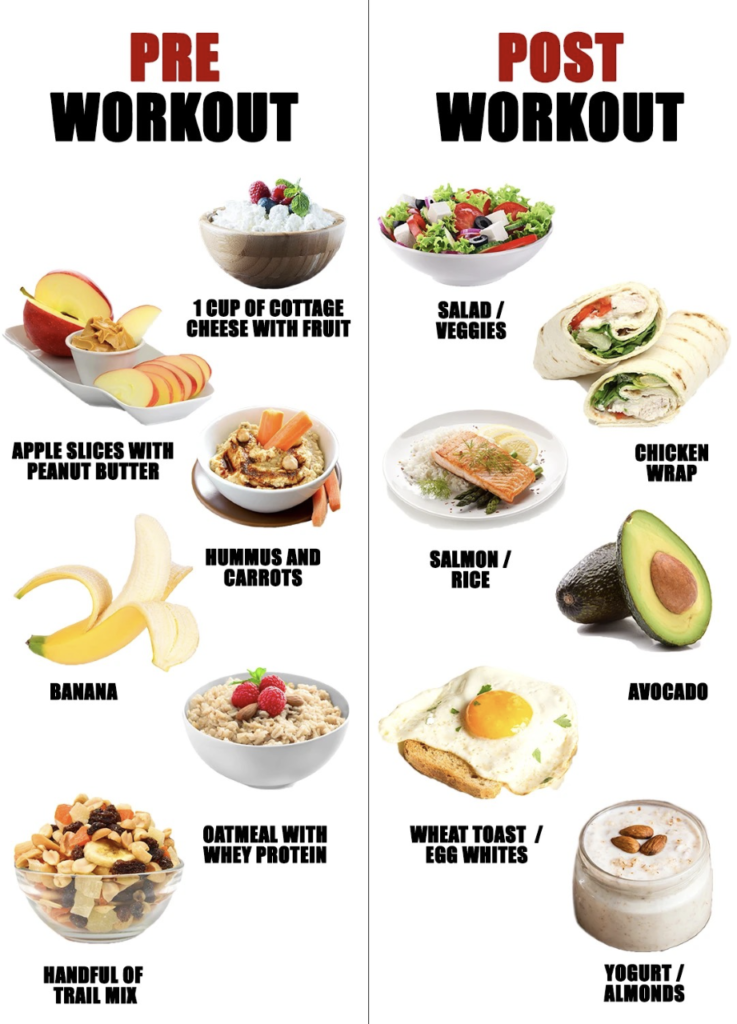
Best Pre-Workout Meal Ideas
Pre-Workout Meals (2–3 Hours Before)
- Oats with milk and fruits
- Rice + dal + vegetables
- Roti with paneer/chicken
- Quinoa with veggies
Pre-Workout Snacks (30–60 Minutes Before)
- Banana with peanut butter
- Fruit smoothie
- Handful of nuts + fruit
- Toast with honey
What NOT to Eat Before Workout
- Fried foods
- Heavy oily meals
- Sugary junk food
- Carbonated drinks
These can cause bloating, fatigue, and poor performance.
Pre-Workout Nutrition Based on Fitness Goals
For Weight Loss
- Light carbs + protein
- Avoid heavy meals
- Focus on energy, not overeating
For Muscle Gain
- Balanced carbs + protein
- Slightly higher calorie intake
- Avoid training on an empty stomach
For Morning Workouts
- Banana, dates, or smoothie
- Water is essential
- Optional light protein
What to Eat After a Workout (Post-Workout Nutrition)
Why Post-Workout Meals Matter
After exercise, your body is in recovery mode.
Post-workout meals help:
- Repair muscle fibers
- Refill energy stores
- Reduce soreness
- Improve muscle growth
Skipping post-workout nutrition can delay recovery and reduce results.
Best Time to Eat After Workout
- Ideally within 30–60 minutes after exercise
This is known as the “recovery window.”
Ideal Nutrients After Workout
1. Protein (Most Important)
Protein repairs muscles and supports growth.
Best protein sources:
- Eggs
- Paneer, tofu
- Chicken, fish
- Milk or curd
- Whey or plant protein shake
2. Carbohydrates (Energy Refill)
Carbs restore glycogen levels lost during workouts.
Good carb sources:
- Rice
- Potatoes
- Fruits
- Oats
- Whole grains
3. Fluids & Electrolytes
Rehydration is essential after sweating.
Best Post-Workout Meal Ideas
Post-Workout Meals (Main Meals)
- Rice + dal + vegetables
- Roti + paneer/chicken + salad
- Oats with milk and nuts
- Quinoa bowl with protein
Post-Workout Snacks
- Protein shake + banana
- Boiled eggs + fruit
- Yogurt with fruits
- Peanut butter sandwich
Post-Workout Nutrition by Goal
For Muscle Gain
- High protein + moderate carbs
- Eat enough calories
- Don’t skip meals
For Weight Loss
- Protein-focused meals
- Controlled carbs
- Avoid sugary treats
For Evening Workouts
- Light but protein-rich dinner
- Avoid heavy oily food
- Finish eating at least 1–2 hours before sleep
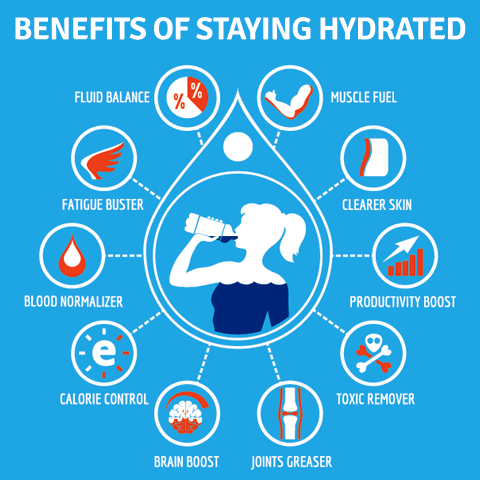
Hydration: The Most Ignored Factor
Water is essential before, during, and after workouts.
- Drink water before training
- Sip water during exercise
- Rehydrate after workouts
Dehydration reduces performance and recovery.
Supplements: Are They Necessary?
Supplements are optional, not mandatory.
- Protein powder can help if food protein is insufficient
- Creatine may help strength (optional)
- Always prioritize whole foods first
Never depend only on supplements.
Common Workout Nutrition Mistakes
❌ Skipping meals
❌ Training on junk food
❌ Overeating after workouts
❌ Ignoring hydration
❌ Relying only on supplements
Consistency and balance are key.
Sample Pre & Post Workout Meal Plan
Morning Workout
Before: Banana + water
After: Oats with milk + fruits
Evening Workout
Before: Roti + vegetables + protein
After: Protein shake + light dinner
Frequently Asked Questions
Can I Work Out on an Empty Stomach?
Yes, but only for light workouts. For strength or long sessions, food is recommended.
Is a Protein Shake Mandatory?
No. Whole food protein works just as well.
How Much Protein Do I Need?
On average:
- Beginners: 0.8–1g per kg body weight
- Active people: 1.2–1.6g per kg
Final Thoughts
Exercise gives results only when supported by proper nutrition. Knowing what to eat before and after a workout helps you:
- Train better
- Recover faster
- Achieve fitness goals efficiently
There’s no perfect meal—consistency, balance, and timing matter more than perfection.
Eat smart, train hard, and stay consistent. 💪
👉 Follow Fit With Sonu for simple, science-backed fitness and nutrition guidance!
About The Author