Introduction: Why Weight Loss Changes for Women After 30
It’s a scenario many women find all too familiar: hitting the big 3-0, and suddenly, the weight loss strategies that once worked flawlessly seem to yield little to no results. You might be eating the same, exercising just as much, yet the scale barely budges, or worse, creeps up. If this sounds like you, rest assured, you’re not alone. The journey of a weight loss diet for women after 30 is distinctly different from your 20s.
Why the change? A confluence of physiological shifts, including hormonal fluctuations, a natural decline in metabolism, and lifestyle factors, often play a significant role. This comprehensive guide will equip you with the knowledge and actionable strategies to navigate these changes effectively. We’ll dive deep into understanding your body’s evolving needs, debunk common myths, and provide a sustainable, effective weight loss diet for women after 30 that promotes not just shedding pounds, but also overall health and well-being.
The Hormonal Rollercoaster: Understanding Your Body After 30
For women, the 30s mark a subtle yet significant transition in hormonal balance, which directly impacts metabolism and fat storage. Understanding these changes is the first step in crafting an effective weight loss diet for women after 30.
Estrogen Dominance and Progesterone Decline
As you approach your mid-30s, progesterone levels can start to gradually decline, sometimes leading to a state of “estrogen dominance” relative to progesterone. This imbalance can lead to symptoms like stubborn belly fat, fluid retention, mood swings, and even slower metabolism, making weight loss a harder battle. Estrogen, particularly estradiol, when out of balance, can encourage fat storage, especially around the hips and thighs.
Insulin Sensitivity
Insulin, the hormone responsible for regulating blood sugar, also plays a crucial role in fat storage. After 30, many women can experience a slight decrease in insulin sensitivity. This means your body might need to produce more insulin to manage blood sugar, which can inadvertently promote fat storage, particularly in the abdominal area. A diet rich in refined carbohydrates and sugars can exacerbate this issue.
Thyroid Health
The thyroid gland, often called the “master gland of metabolism,” can also become less efficient after 30. Subclinical hypothyroidism (when thyroid hormone levels are low but not low enough for a formal diagnosis) is more common in women and can manifest as fatigue, unexplained weight gain, and difficulty losing weight.
Cortisol and Stress
Life after 30 often comes with increased responsibilities – career demands, family commitments, and financial pressures. This sustained stress leads to elevated cortisol levels. Chronic high cortisol is notorious for promoting belly fat storage, increasing appetite, and disrupting sleep, all of which are detrimental to a weight loss diet for women after 30.
The Metabolism Slowdown: Fact or Fiction?
It’s not just a feeling; your metabolism does naturally slow down after 30. Your Basal Metabolic Rate (BMR), the number of calories your body burns at rest, decreases by about 1-2% per decade after the age of 20. This might seem small, but over time, it adds up.
Muscle Mass Loss
A primary reason for metabolic slowdown is sarcopenia – the age-related loss of muscle mass. Muscle tissue is more metabolically active than fat tissue, meaning it burns more calories even at rest. If you’re not actively working to maintain or build muscle, your body will naturally burn fewer calories each day. This is a critical factor to address in any weight loss diet for women after 30.
Less Physical Activity
Often, lifestyle changes contribute. Sedentary jobs, less time for structured exercise, and reduced spontaneous activity (like walking more in college) can all decrease your Total Daily Energy Expenditure (TDEE), making it easier to gain weight even if your diet remains unchanged.
Crafting Your Optimal Weight Loss Diet for Women After 30
Now that we understand the physiological shifts, let’s build the foundation of an effective weight loss diet for women after 30. This isn’t about restrictive fads, but rather a sustainable approach centered on nutrient density and metabolic support.
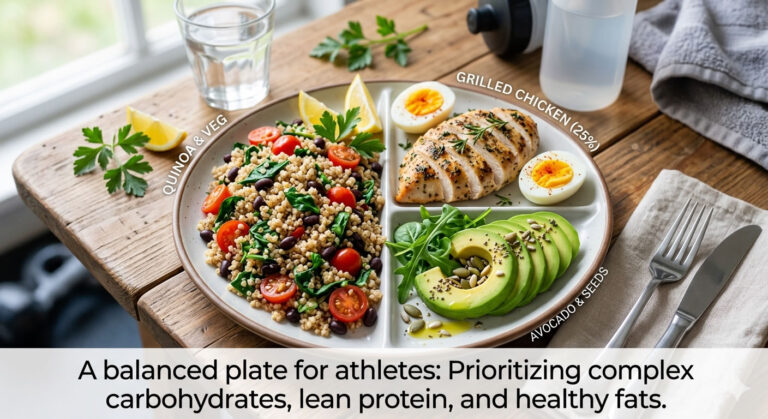
1. Prioritize Protein at Every Meal
Protein is your best friend for weight loss after 30. It’s crucial for several reasons:
- Satiety: Protein keeps you feeling fuller for longer, reducing overall calorie intake.
- Muscle Preservation: It helps combat muscle loss, preserving your metabolism.
- Thermogenic Effect: Your body burns more calories digesting protein than carbs or fat. Aim for 20-30 grams of protein per meal. Excellent sources include lean meats, poultry, fish, eggs, Greek yogurt, lentils, beans, and tofu.
2. Embrace Complex Carbohydrates and Fiber
Forget demonizing carbs. The right carbs, specifically complex carbohydrates rich in fiber, are essential.
- Blood Sugar Stability: Fiber-rich carbs prevent blood sugar spikes and crashes, which helps manage insulin and reduces cravings.
- Digestive Health: Fiber aids digestion and promotes a healthy gut microbiome, which is increasingly linked to weight management.
- Satiety: Fiber adds bulk to your meals, making you feel full. Focus on whole grains (quinoa, brown rice, oats), legumes, fruits, and a wide array of vegetables. Limit refined sugars and processed grains.
3. Don’t Fear Healthy Fats
Healthy fats are vital for hormone production, satiety, and nutrient absorption.
- Hormone Balance: Fats are precursors to many hormones, including estrogen and progesterone.
- Satiety: Like protein, fats help you feel full and satisfied.
- Nutrient Absorption: They help absorb fat-soluble vitamins (A, D, E, K). Incorporate avocados, nuts, seeds, olive oil, and fatty fish (salmon, mackerel) into your weight loss diet for women after 30.
4. Micronutrient Power: Vitamins and Minerals
Beyond macronutrients, adequate intake of specific vitamins and minerals is crucial for metabolic function and hormone balance.
- Vitamin D: Linked to insulin sensitivity and fat metabolism.
- Magnesium: Involved in over 300 enzymatic reactions, including energy production and blood sugar control.
- B Vitamins: Essential for energy metabolism.
- Iron: Crucial for oxygen transport and energy; deficiencies are common in women. Ensure your diet is rich in colorful fruits and vegetables to get a broad spectrum of these vital nutrients.
Beyond Diet: Lifestyle Factors Critical for Weight Loss After 30
A successful weight loss diet for women after 30 isn’t just about what you eat; it’s intricately linked to your lifestyle.
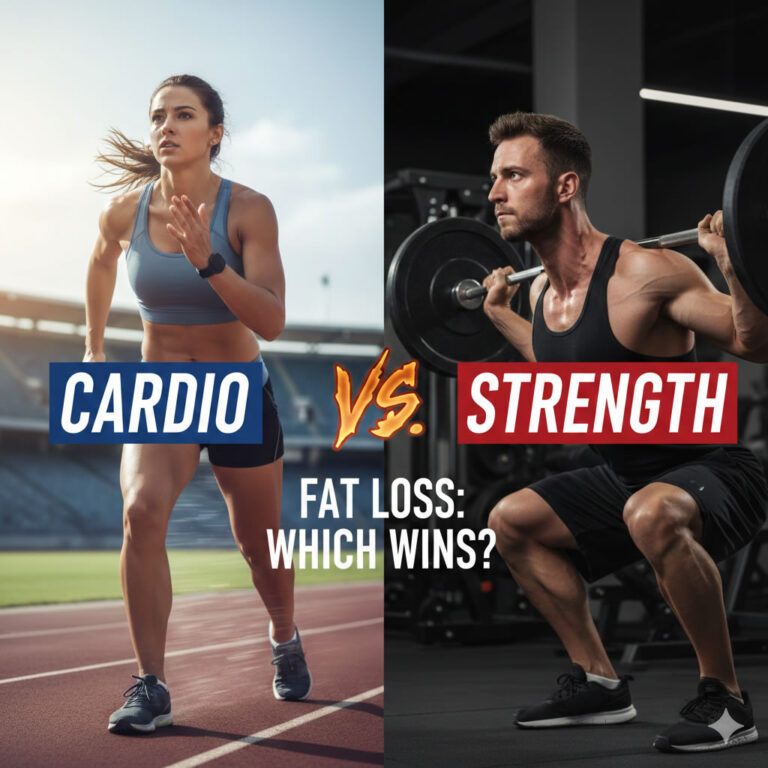
1. Prioritize Strength Training
This cannot be stressed enough. To counteract age-related muscle loss and metabolic slowdown, strength training is non-negotiable.
- Build Muscle: Increases your resting metabolic rate.
- Improve Bone Density: Crucial for women as they age.
- Hormone Optimization: Can improve insulin sensitivity. Aim for 2-3 full-body strength training sessions per week.
2. Manage Stress Effectively
Given the impact of cortisol, stress management is a powerful weight loss tool.
- Mindfulness: Practices like meditation and deep breathing can lower cortisol.
- Yoga/Pilates: Combines physical activity with stress reduction.
- Hobbies: Engage in activities you enjoy to create mental breaks.
3. Optimize Sleep Quality
Poor sleep throws hormones out of whack, increasing ghrelin (hunger hormone) and decreasing leptin (satiety hormone), making adherence to any diet challenging. Aim for 7-9 hours of quality sleep per night.
- Sleep Hygiene: Establish a consistent sleep schedule.
- Limit Screens: Avoid blue light before bed.
- Create a Relaxing Routine: Read, take a warm bath.
4. Hydration is Key
Often overlooked, adequate water intake is vital.
- Satiety: Drinking water before meals can reduce calorie intake.
- Metabolism: Water is essential for all metabolic processes.
- Detoxification: Supports kidney function. Carry a water bottle and sip throughout the day. Herbal teas also count!
5. Mindful Eating Practices
Slow down and pay attention to your body’s hunger and fullness cues. This helps prevent overeating and promotes better digestion.
- Chew Slowly: Give your body time to register fullness.
- Eat Without Distractions: Avoid screens during meals.
- Listen to Your Body: Differentiate between physical hunger and emotional cravings.
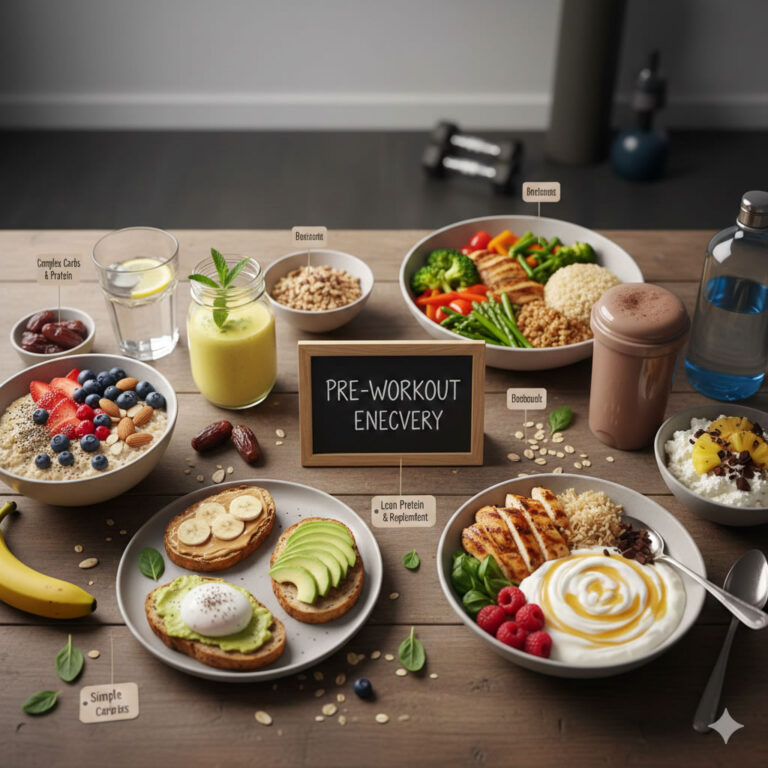
Sample Meal Plan: A Day in Your Weight Loss Diet After 30
This is a template to give you an idea of how to structure your meals. Adjust portion sizes based on your individual calorie needs and activity level.
Breakfast:
- Option 1: Greek yogurt (plain, full-fat) with berries, a sprinkle of chia seeds, and a handful of almonds.
- Option 2: Scrambled eggs (2-3) with spinach and mushrooms, served with a slice of whole-grain toast and avocado.
Lunch:
- Option 1: Large salad with mixed greens, grilled chicken or chickpeas, diverse non-starchy vegetables (cucumber, bell peppers, tomatoes), and a light olive oil vinaigrette.
- Option 2: Lentil soup with a side of whole-grain crackers and a small apple.
Snack (if needed):
- Handful of walnuts and an orange
- Vegetable sticks with hummus
- Hard-boiled egg
Dinner:
- Option 1: Baked salmon (rich in Omega-3s) with roasted sweet potato and steamed broccoli.
- Option 2: Turkey stir-fry with plenty of colorful vegetables (snap peas, carrots, bok choy) and a small serving of brown rice. Use a low-sodium soy sauce or tamari.
Before Bed (if truly hungry):
- Small bowl of cottage cheese
- Herbal tea
Common Challenges and How to Overcome Them
Embarking on a weight loss diet for women after 30 comes with its unique set of hurdles. Here’s how to navigate them:
Challenge 1: Lack of Time
Between work, family, and social commitments, finding time for meal prep and exercise can feel impossible.
- Solution: Batch cooking on weekends. Prepare ingredients (chop veggies, cook grains, bake chicken) to quickly assemble meals during the week. Schedule workouts like non-negotiable appointments. Even 20-30 minutes of high-intensity interval training (HIIT) can be effective.
Challenge 2: Emotional Eating and Cravings
Stress and hormonal fluctuations can trigger cravings, making it hard to stick to your diet.
- Solution: Identify your triggers. Are you stressed? Bored? Tired? Find non-food coping mechanisms like a walk, calling a friend, or meditation. Ensure your diet is satiating with enough protein and fiber to naturally reduce cravings.
Challenge 3: Plateauing
You might lose weight initially, then hit a plateau. This is normal.
- Solution: Re-evaluate your calorie intake and exercise. Your body adapts. Consider adjusting your macros, trying a new workout routine, or increasing your NEAT (Non-Exercise Activity Thermogenesis) like taking the stairs or walking more. Be patient; sustainable weight loss isn’t linear.
Challenge 4: Social Pressure
Eating out with friends or family can be challenging when you’re trying to stick to a plan.
- Solution: Plan ahead. Look at restaurant menus online and choose healthy options. Don’t be afraid to ask for modifications (dressing on the side, steamed vegetables instead of fried). Focus on enjoying the company, not just the food.
Conclusion: Sustainable Weight Loss is Your Goal
Navigating weight loss for women after 30 requires a nuanced understanding of your body’s changing landscape. It’s not just about cutting calories; it’s about strategically fueling your body, balancing hormones, building muscle, managing stress, and prioritizing sleep.
Remember, consistency truly matters more than intensity. Small, sustainable changes over time will yield lasting results. This isn’t a temporary fix, but a journey towards a healthier, more vibrant you. Embrace these changes, listen to your body, and commit to a lifestyle that supports your goals. You have the power to take control of your health and achieve the well-being you deserve. Start today – your future self will thank you!
About The Author