Hey there, fellow fitness enthusiast! Are you looking to take your muscle-building journey to the next level? You’ve come to the right place. Today, we’re diving deep into a topic that gets a lot of hype in the fitness community: protein timing.
But wait, is protein timing really the only thing that matters? Of course not! While it’s a piece of the puzzle, there’s a lot more to building impressive muscle mass. We’ll explore the science behind protein timing, and more importantly, the other crucial factors that often get overshadowed.
Think of it like this: protein timing is the icing on the cake, but you need a solid cake structure first! Let’s build that muscle-building foundation together.
The Allure of Protein Timing: Hype or Reality?
Let’s address the elephant in the room. The concept of the “anabolic window” – that critical period right after your workout where your body is primed to soak up nutrients like a sponge – is widely circulated. While there’s a kernel of truth to it, the window isn’t as narrow as some might believe.
The science suggests that protein synthesis (the process of building muscle) is indeed elevated for several hours post-workout. So, having a protein-rich meal or shake after hitting the gym is certainly beneficial.
However, focusing solely on protein timing can lead to overlooking other critical elements. Here’s what’s important to remember:
- Consistency is Key: Consuming adequate protein consistently throughout the day is far more important than pinning all your hopes on a single post-workout window.
- The “Window” Is Wiiiide: Research indicates the “anabolic window” can actually last for up to 24 hours after your workout, depending on your training status and overall diet.
So, while post-workout protein is helpful, don’t sweat it if you can’t down a shake the second you finish your last set. Your gains won’t evaporate!
The Bigger Picture: Muscle-Building Pillars That Trumpe Timing
Let’s move beyond the timing debate and focus on the fundamental pillars of muscle growth that really make a difference. These are the cornerstones of your muscle-building strategy:
1. The Ultimate Catalyst: Progressive Overload
This is the non-negotiable principle of muscle growth. If you want your muscles to grow, you must challenge them to do more than they are accustomed to.
How do you implement progressive overload?
- Increase the Weight: Add more weight to the bar as you get stronger.
- Increase the Reps: Aim for an extra repetition or two with the same weight.
- Increase the Intensity: Focus on strict form, tempo, and mind-muscle connection.
- Decrease Rest Time: Shorten the rest periods between your sets.
If you are not consistently challenging your muscles, they have no reason to adapt and grow.
2. The Foundation: Total Protein Intake
While when you eat protein is relevant, how much protein you eat is paramount. Aim for a total protein intake of roughly 0.7 to 1 gram of protein per pound of body weight (or 1.6 to 2.2 grams per kilogram).
Your body uses this protein to repair and rebuild the muscle fibers you’ve broken down during your training. Without enough building blocks, all the timing in the world won’t help.
Sources of Protein to Consider:
- Chicken, Turkey, Lean Beef
- Fish (Salmon, Tuna, Cod)
- Eggs and Egg Whites
- Dairy Products (Greek Yogurt, Cottage Cheese, Milk)
- Plant-Based Options (Tofu, Tempeh, Lentils, Beans, Quinoa)
3. The Power of Consistency: Overall Caloric Balance
To build significant muscle, you typically need to be in a slight calorie surplus. This means consuming more calories than you burn in a day. The extra energy fuels your workouts and provides the materials needed for muscle growth.
- Muscle Gain (Bulking): A surplus of 200-500 calories per day is generally recommended.
- Maintaining Lean Muscle (Recomposition): Eating at maintenance or slightly below while lifting heavy can help preserve muscle while losing fat.
Eating enough food is crucial for supporting your hard work in the gym.
4. The Growth Phase: Quality Sleep and Recovery
This is one of the most underestimated aspects of muscle building. Muscle growth doesn’t happen while you’re working out; it happens while you rest.
- Sleep: Aim for 7-9 hours of quality sleep per night. This is when your body releases essential hormones like human growth hormone (HGH), which are critical for repair and growth.
- Recovery: Integrate rest days into your training program. Overtraining can lead to injuries and hinder your progress.
Actionable Strategies to Maximize Your Results
Now that we’ve covered the core principles, let’s look at how to synthesize all this information into an effective plan.
Your Ideal Daily Protein Schedule (For Muscle Growth)
- Start Your Day Strong: Consume a protein-rich breakfast to kickstart muscle protein synthesis after an overnight fast.
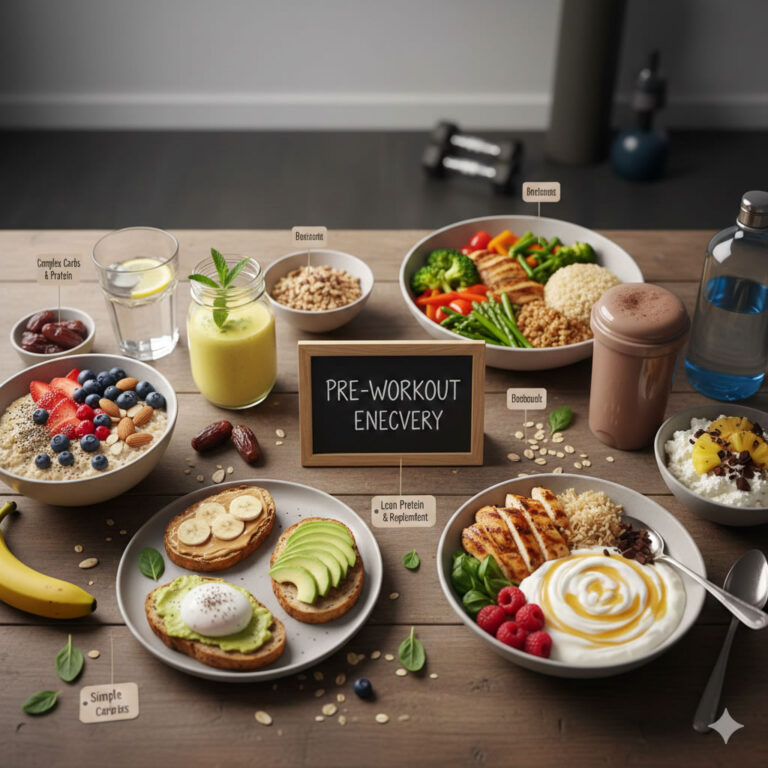
- Fuel Your Workouts: While pre-workout protein isn’t strictly necessary for everyone, ensuring you have some amino acids in your system can be beneficial. A light meal a few hours before or a small shake 30-60 minutes before training can work well.
- The Post-Workout Boost: Yes, enjoy your protein shake or meal within 1-2 hours of finishing your training. It’s an excellent opportunity to deliver amino acids to your muscles.
- Consistency is Key: Spread your protein intake evenly across 3-5 meals throughout the day. Aim for roughly 20-40 grams of protein per meal.
- Before Bed (Optional but Recommended): Consider a slow-digesting protein source like casein (found in cottage cheese or a casein shake) before bed. This can provide a steady flow of amino acids through the night.
Prioritizing Your Efforts: The Muscle-Building Hierarchy
- Progressive Overload (The foundation)
- Total Daily Protein Intake (The fuel)
- Caloric Balance (The energy)
- Sleep and Recovery (The building period)
- Protein Timing & Meal Frequency (The fine-tuning)
Focus on mastering the bottom layers of the pyramid before obsessing over the top!
Conclusion: It’s a Marathon, Not a Sprint
Building a substantial amount of muscle requires patience, dedication, and a smart approach. Don’t fall into the trap of overthinking protein timing while neglecting the essentials of progressive overload and proper nutrition.
Focus on getting stronger, eating sufficient protein and total calories, sleeping well, and allowing your body time to recover. Consistency in these core areas will yield the greatest results. Protein timing can be a useful tool, but it should never distract you from the true drivers of muscle growth.
Now go hit the gym, lift heavy, eat smart, and watch your muscles respond! You’ve got this.
Leave a Comment!
What is your current approach to protein timing? Have you noticed a difference focusing on one strategy over another? Share your experiences and questions below!
About The Author