In today’s fast-paced lifestyle, food choices have become more about convenience than nutrition. With food delivery apps, packaged snacks, and fast-food outlets available everywhere, junk food consumption is at an all-time high. At the same time, health issues like obesity, diabetes, heart disease, and low immunity are rising rapidly.
This makes the comparison between junk food vs healthy food more important than ever.
This will explains the difference between junk food and healthy food in a simple, clear, and practical way, helping readers make better daily food choices. Whether you’re a student, working professional, parent, or fitness enthusiast, this guide will help you understand what you eat and how it affects your body.
What Is Junk Food?
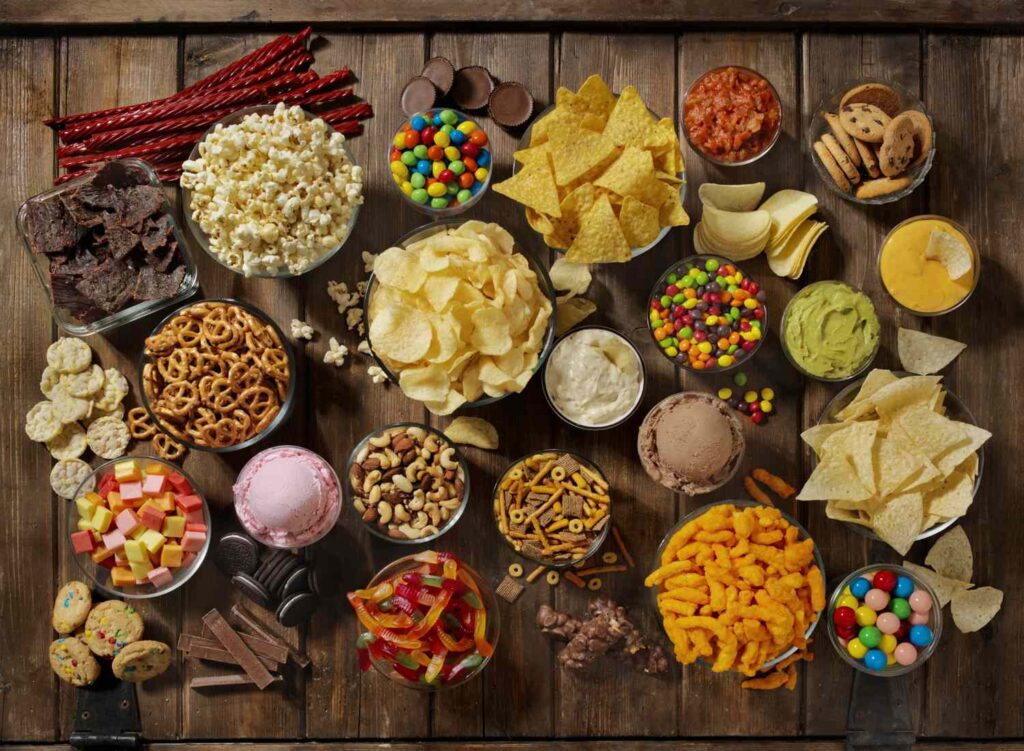
Junk food refers to foods that are high in calories but low in nutritional value. These foods usually contain excessive amounts of sugar, salt, unhealthy fats, artificial flavors, and preservatives.
Common Examples of Junk Food
- Burgers and fries
- Pizza with processed cheese
- Chips and packaged snacks
- Sugary soft drinks
- Candy, chocolates, pastries
- Instant noodles
- Fried street food
Junk food may taste good and provide instant satisfaction, but it offers very little benefit to the body.
What Is Healthy Food?
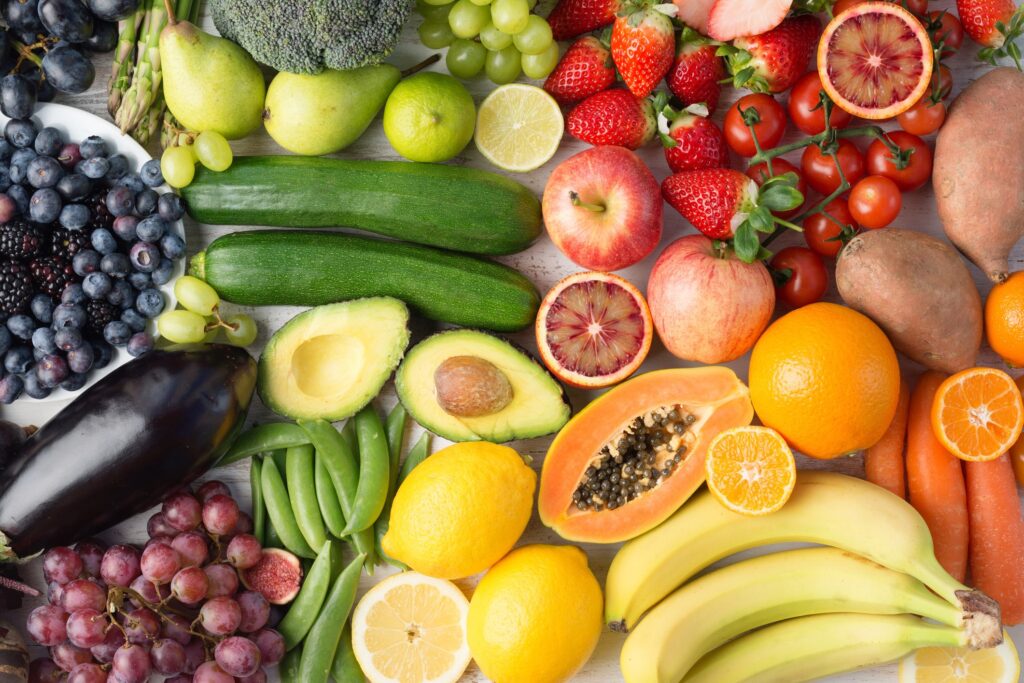
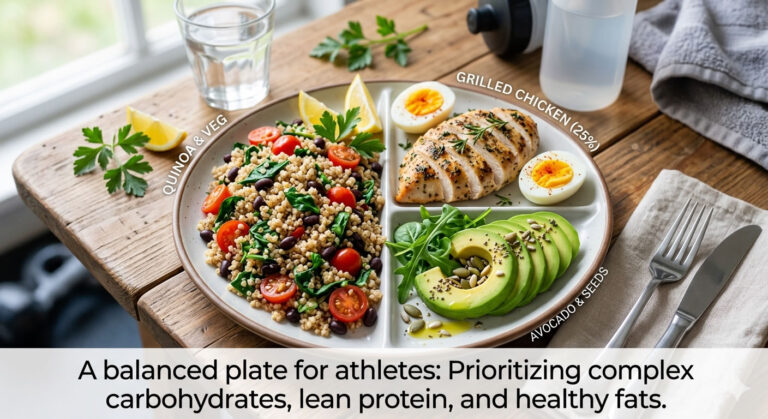
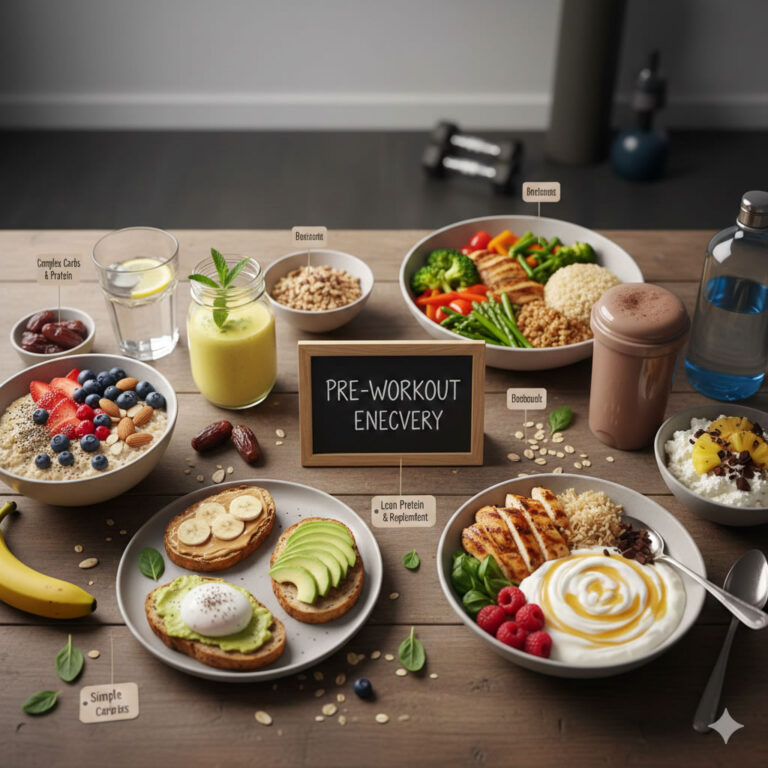
Healthy food includes natural, minimally processed foods that provide essential nutrients such as proteins, carbohydrates, healthy fats, vitamins, minerals, and fiber.
Common Examples of Healthy Food
- Fresh fruits and vegetables
- Whole grains (brown rice, oats, millets)
- Lean proteins (eggs, fish, lentils, beans)
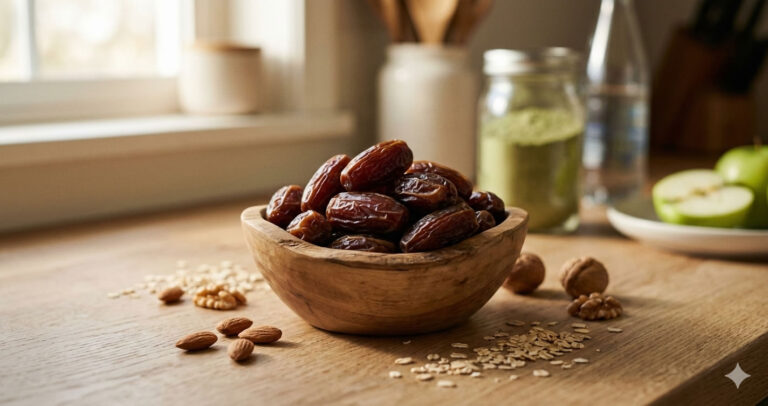
- Nuts and seeds
- Dairy in moderation (milk, yogurt, curd)
- Home-cooked meals
Healthy food supports energy, immunity, digestion, and long-term well-being.
Junk Food vs Healthy Food: Simple Comparison Table
| Aspect | Junk Food | Healthy Food |
|---|---|---|
| Nutritional Value | Low | High |
| Calories | Empty calories | Nutrient-dense |
| Fiber Content | Very low | High |
| Sugar & Salt | Excessive | Controlled |
| Digestion | Poor | Smooth |
| Energy Levels | Short-term | Long-lasting |
| Health Impact | Harmful | Beneficial |
Nutritional Differences Explained Simply
1. Calories vs Nutrients
Junk food provides empty calories, meaning high energy with no useful nutrients. Healthy food provides quality calories that nourish the body.
2. Fiber Content
Healthy food is rich in fiber, which improves digestion and keeps you full longer. Junk food lacks fiber, leading to overeating.
3. Sugar and Salt
Junk food contains hidden sugars and sodium that can damage health over time. Healthy food maintains balanced levels.
Effects of Junk Food on the Body
Eating junk food occasionally may not cause harm, but regular consumption has serious consequences.
Short-Term Effects
- Sudden energy spikes and crashes
- Bloating and indigestion
- Poor concentration
- Increased cravings
Long-Term Effects
- Weight gain and obesity
- Type 2 diabetes
- Heart disease
- High blood pressure
- Weak immunity
- Poor skin and hair health
Junk food slowly damages the body while appearing harmless.
Benefits of Eating Healthy Food
Healthy food fuels the body properly and supports overall wellness.
Key Benefits
- Maintains healthy body weight
- Improves digestion
- Boosts immunity
- Enhances mental clarity
- Reduces disease risk
- Increases energy and productivity
Healthy eating is not about dieting—it’s about nourishing your body daily.
Junk Food and Mental Health
Many people don’t realize that food affects not just the body, but also the brain.
How Junk Food Affects Mental Health
- Increases stress and anxiety
- Causes mood swings
- Reduces focus and memory
- Contributes to fatigue
Healthy foods rich in omega-3 fats, vitamins, and minerals support brain function and emotional balance.
Why Junk Food Is So Addictive
Junk food is engineered to trigger pleasure centers in the brain.
Reasons People Crave Junk Food
- High sugar and fat combination
- Artificial flavor enhancers
- Emotional eating
- Convenience and availability
- Aggressive marketing
Understanding this helps you control cravings instead of blaming yourself.
Healthy Food Doesn’t Mean Boring
One major myth is that healthy food lacks taste.
Truth About Healthy Eating
- Spices and herbs add flavor
- Cooking methods matter
- Homemade food can be delicious
- Healthy versions of favorite foods exist
Healthy food is simple, satisfying, and enjoyable when prepared right.
Junk Food vs Healthy Food for Children
Children are especially vulnerable to junk food habits.
Risks of Junk Food for Kids
- Poor growth
- Low immunity
- Dental problems
- Reduced attention span
Healthy food supports physical development, learning ability, and immunity.
How to Reduce Junk Food and Eat Healthier
You don’t need to quit junk food overnight.
Simple Practical Tips
- Start with home-cooked meals
- Replace soda with water or fruit juice
- Choose fruits instead of packaged snacks
- Read food labels
- Practice mindful eating
Small changes create big long-term results.
Junk Food vs Healthy Food: Cost Comparison
Many believe healthy food is expensive, but this is often untrue.
Reality Check
- Seasonal fruits and vegetables are affordable
- Home cooking saves money
- Medical bills from poor health are costly
Healthy food is an investment, not an expense.
Frequently Asked Questions (SEO Friendly)
Is junk food bad if eaten occasionally?
Occasional consumption is fine, but regular intake causes health problems.
Can healthy food help with weight loss?
Yes. Healthy food improves metabolism and controls appetite naturally.
Is homemade food always healthy?
Mostly yes, especially when prepared with balanced ingredients.
How long does it take to feel benefits of healthy eating?
Most people notice improvements within 2–4 weeks.
Final Thoughts: Making the Better Choice
The comparison between junk food vs healthy food is not about restriction—it’s about awareness. Junk food offers temporary pleasure with long-term damage, while healthy food offers lasting energy, strength, and wellness.
You don’t have to be perfect. You just have to be conscious.
Choose foods that support your body, your mind, and your future.
About The Author