In today’s fast-paced lifestyle, mental health challenges such as stress, anxiety, depression, and emotional burnout are becoming increasingly common. While therapy, meditation, and medication play important roles, fitness and regular physical activity are among the most powerful yet underrated tools for improving mental health.
Fitness is not just about building muscles or losing weight—it directly impacts how your brain works, how you feel emotionally, and how you handle daily stress. Whether it’s a short walk, home workout, yoga session, or strength training, movement has the power to transform your mental well-being.
In this article, we’ll explore how fitness improves mental health, the science behind it, real-life benefits, and how you can start your own fitness journey for a healthier mind.
The Strong Connection Between Fitness and Mental Health
Your body and mind are deeply connected. When you exercise, your brain releases chemicals that improve mood, reduce stress, and increase mental clarity.
Regular fitness:
- Boosts happy hormones
- Lowers stress hormones
- Improves sleep quality
- Enhances self-confidence
- Reduces symptoms of anxiety and depression
This mind-body connection explains why people who exercise consistently report feeling calmer, happier, and more confident in daily life.
How Exercise Affects the Brain (Science Made Simple)
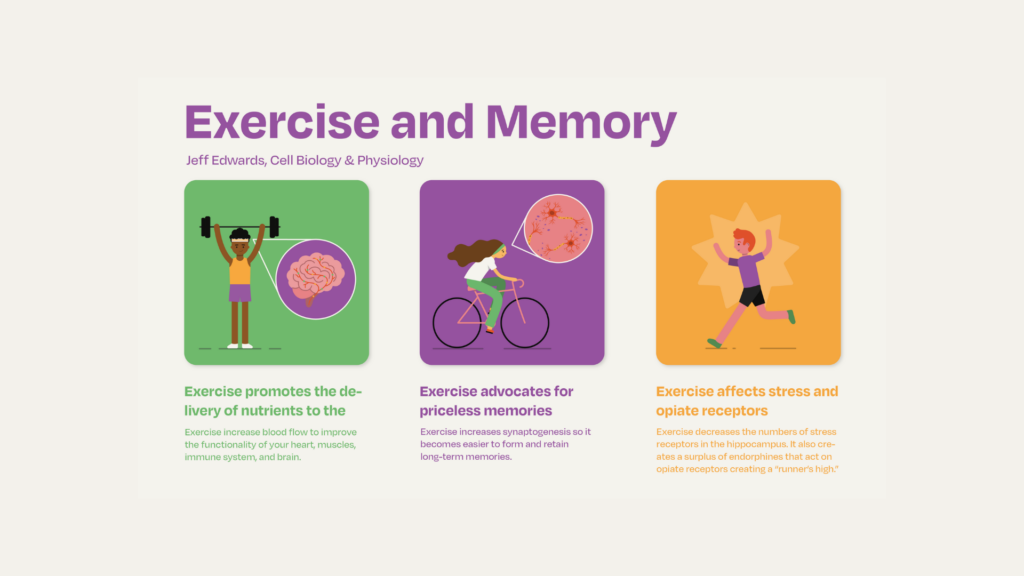
When you exercise, your brain releases several important neurotransmitters:
1. Endorphins – Natural Mood Lifters
Often called “feel-good hormones”, endorphins reduce pain perception and create feelings of happiness and relaxation.
2. Serotonin – Emotional Balance
Low serotonin levels are linked to depression. Exercise helps regulate serotonin, improving mood stability and emotional control.
3. Dopamine – Motivation & Focus
Dopamine boosts motivation, concentration, and pleasure. Regular workouts help improve productivity and mental sharpness.
4. Reduced Cortisol – Less Stress
Cortisol is the stress hormone. Physical activity lowers cortisol levels, helping you feel calmer and more in control.
Mental Health Benefits of Fitness
1. Reduces Stress Naturally
Exercise acts as a natural stress reliever. Physical movement helps your body release tension stored in muscles and shifts your focus away from worries.
Even:
- 20–30 minutes of walking
- Home workouts
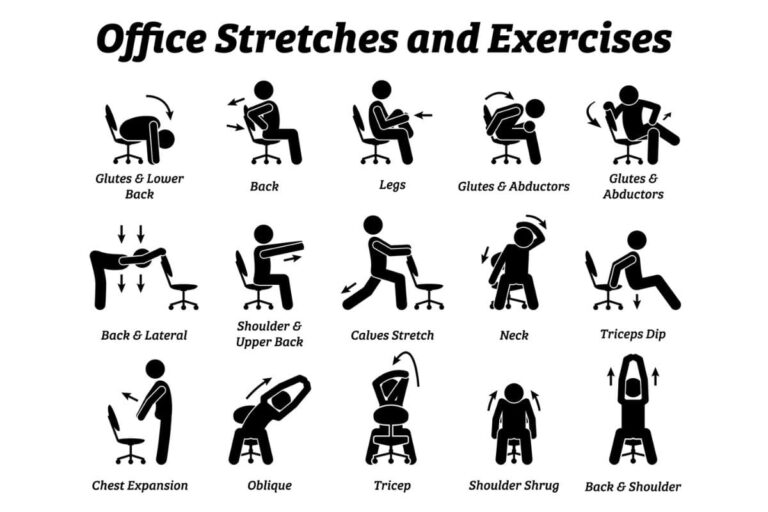
- Light stretching
can significantly reduce stress levels.
2. Helps Manage Anxiety
Fitness reduces anxiety by:
- Slowing down racing thoughts
- Improving breathing patterns
- Increasing body awareness
Activities like yoga, cycling, swimming, and brisk walking are especially effective for anxiety relief.
3. Supports Depression Recovery
Multiple studies show that regular exercise can be as effective as medication for mild to moderate depression when done consistently.
Fitness helps by:
- Improving brain chemistry
- Creating daily structure
- Giving a sense of achievement
- Encouraging social interaction
The key is consistency, not intensity.
4. Improves Sleep Quality
Poor mental health often leads to poor sleep—and poor sleep worsens mental health. Exercise helps break this cycle.
Benefits include:
- Faster sleep onset
- Deeper sleep cycles
- Reduced insomnia
- Better morning energy
Morning or evening workouts (not too late at night) work best for sleep improvement.
5. Boosts Self-Confidence & Self-Esteem
When you exercise regularly:
- You feel stronger
- You see physical progress
- You gain control over your body
This builds self-respect and confidence, which directly improves mental health and emotional resilience.
6. Enhances Focus, Memory & Productivity
Fitness increases blood flow to the brain, improving:
- Concentration
- Memory retention
- Decision-making ability
This is especially helpful for:
- Students
- Working professionals
- Entrepreneurs
- Content creators
Even short workouts can improve mental clarity for hours.
Types of Fitness That Improve Mental Health

1. Cardio Exercises
Examples:
- Walking
- Jogging
- Cycling
- Dancing
Best for:
- Stress relief
- Anxiety reduction
- Mood improvement
2. Strength Training
Examples:
- Bodyweight workouts
- Resistance bands
- Dumbbells
Best for:
- Confidence building
- Discipline
- Mental toughness
3. Yoga & Stretching
Best for:
- Mindfulness
- Emotional balance
- Anxiety and burnout recovery
4. Home Workouts
Perfect for:
- Beginners
- Busy schedules
- Privacy lovers
Even 15–20 minutes daily can bring mental health benefits.
Fitness as a Healthy Coping Mechanism
Many people cope with stress through unhealthy habits like overeating, smoking, or excessive screen time. Fitness provides a positive alternative.
Instead of:
- Emotional eating → Go for a walk
- Overthinking → Do a quick workout
- Low mood → Stretch or dance
Fitness helps redirect negative emotions into positive energy.
Social Benefits of Fitness
Fitness can also improve mental health through social connection:
- Gym friendships
- Group workouts
- Online fitness communities
Human connection reduces loneliness, which is a major cause of mental health struggles.
How to Start Fitness for Better Mental Health (Beginner Tips)
1. Start Small
Don’t aim for perfection. Start with:
- 10–15 minutes per day
- Simple movements
- Easy routines
2. Choose What You Enjoy
You don’t need to follow trends. Choose activities you enjoy so fitness feels like self-care, not punishment.
3. Be Consistent, Not Extreme
Mental health benefits come from regular movement, not extreme workouts.
4. Track How You Feel, Not Just Weight
Notice:
- Mood improvement
- Energy levels
- Sleep quality
- Stress reduction
These matter more than numbers on a scale.
Common Myths About Fitness & Mental Health
❌ “You must work out intensely”
✔ Even light activity helps
❌ “Only gym workouts matter”
✔ Home workouts are equally effective
❌ “Results take years”
✔ Mood benefits start within days
Real-Life Impact: What Happens When You Stay Active
People who maintain regular fitness routines often experience:
- Better emotional control
- Higher confidence
- Reduced stress reactions
- Improved relationships
- Stronger mental resilience
Fitness doesn’t eliminate problems—it makes you stronger to handle them.
Fitness + Mental Health = Long-Term Well-Being
Mental health is not just the absence of illness—it’s the presence of balance, peace, and confidence. Fitness supports all three.
By making movement a daily habit, you invest not only in your body but also in your mind, emotions, and future happiness.
Final Thoughts
Fitness is one of the most accessible, affordable, and powerful tools for improving mental health. You don’t need fancy equipment, gym memberships, or perfect routines—just the willingness to move your body.
Start today. Move a little. Feel better. Stay consistent.
Your mind will thank you.
About The Author