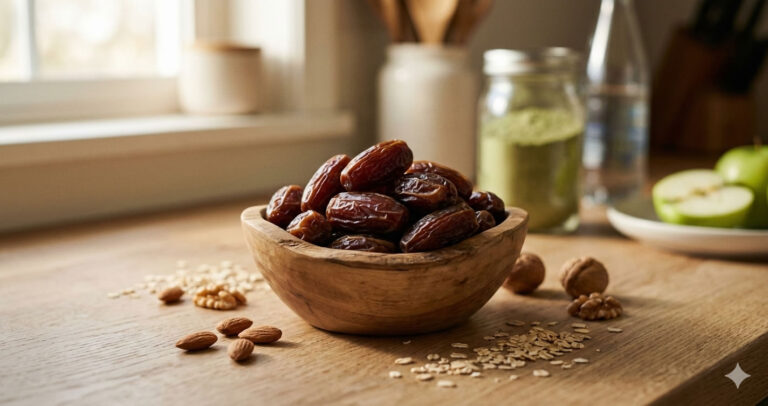
In the demanding world of sports, where every fraction of a second and every ounce of energy counts, fueling your body correctly is as essential as rigorous training. The food you consume acts as the premium gasoline that drives your athletic machine. Neglecting this crucial aspect can lead to premature fatigue, compromised performance, and a higher risk of injury. This comprehensive guide will delve into the intricacies of food intake for sports people, empowering you to make informed decisions that will optimize your athletic potential.
Understanding the Energy Demands of Athletics
Before diving into the specifics of food intake, it’s vital to appreciate the unique energy requirements of athletes. Unlike sedentary individuals, whose energy needs primarily support basal metabolic rate (BMR) and daily activities, sports people have significantly higher demands due to physical exertion. The type, intensity, and duration of your sport or training directly influence your caloric and nutrient requirements. For example, an endurance athlete running marathons needs a vastly different diet compared to a powerlifter focusing on strength and explosiveness.
The Three Pillars of Macronutrients
The foundation of athletic nutrition lies in the three macronutrients: carbohydrates, protein, and fat. Each plays a distinct role in fueling performance and facilitating recovery.
1. Carbohydrates: The Preferred Fuel Source
Carbohydrates are the primary source of energy for high-intensity exercise. When consumed, they are broken down into glucose, which is either used immediately for energy or stored in the muscles and liver as glycogen. Adequate glycogen stores are essential for maintaining endurance and power during workouts.
- Complex Carbohydrates: These are digested more slowly and provide a sustained release of energy. Examples include whole grains (brown rice, quinoa, oats), sweet potatoes, legumes, and most vegetables. They should form the cornerstone of an athlete’s carb intake.
- Simple Carbohydrates: These are digested quickly and offer a rapid burst of energy. They can be useful for quick refueling during long endurance events but should be consumed in moderation and typically closer to or during exercise. Examples include fruit juices, energy gels, and refined sugar (though the latter should be minimized).
Optimal Timing for Carbohydrates:
- Pre-Workout: Consuming easily digestible carbohydrates 1-4 hours before exercise helps top up glycogen stores and provides readily available energy.
- During Workout (for prolonged exercise): For events lasting longer than 60-90 minutes, consuming small amounts of carbohydrates (e.g., in sports drinks or gels) can help sustain blood glucose levels and delay fatigue.
- Post-Workout: Within 30-60 minutes after exercise, consuming carbohydrates is crucial to replenish depleted glycogen stores and kickstart recovery. Combining them with protein can further enhance muscle protein synthesis.
2. Protein: The Building Block of Muscle
Protein is essential for muscle repair, growth, and immune function. Athletes have higher protein needs than non-athletes due to the muscle breakdown that occurs during training.
- Complete Proteins: These contain all essential amino acids that the body cannot produce on its own. Animal-based sources like meat, poultry, fish, eggs, and dairy are complete proteins.
- Incomplete Proteins: Plant-based sources such as beans, lentils, nuts, seeds, and tofu may lack one or more essential amino acids. However, by combining different plant-based protein sources, athletes can obtain all necessary amino acids.
Optimal Timing for Protein:
- Spread Throughout the Day: Aim for regular protein consumption across meals and snacks rather than consuming a large amount at once. This supports continuous muscle protein synthesis.
- Pre- and Post-Workout: Consuming protein around your training window (especially post-workout) helps facilitate muscle repair and growth. Aim for a 3:1 or 4:1 ratio of carbohydrates to protein post-workout.
- Before Bed: Consuming protein (particularly casein, a slow-digesting protein) before sleep can promote muscle protein synthesis and recovery during the night.
3. Fats: The Long-Lasting Energy Source
While carbohydrates are the preferred fuel for high-intensity exercise, fats provide a concentrated source of energy for endurance activities at lower intensities. They are also crucial for the absorption of fat-soluble vitamins, cell health, and hormone production.
- Healthy Fats: Prioritize unsaturated fats, which are generally considered healthier than saturated or trans fats. Good sources include avocado, olive oil, nuts, seeds, fatty fish (like salmon and mackerel), and flaxseed oil.
- Avoid Trans Fats and Limit Saturated Fats: Trans fats, found in many processed foods, are detrimental to health and should be avoided. Saturated fats, primarily found in fatty meats and full-fat dairy, should be consumed in moderation.
Hydration: The Unsung Hero of Performance
Water is crucial for almost every bodily function, including temperature regulation, nutrient transport, and joint lubrication. Even slight dehydration can impair performance, reduce cognitive function, and increase the risk of heat-related illnesses.
- Fluid Intake During Exercise: Drink regularly during exercise, even if you don’t feel thirsty. For longer-duration events or intense heat, consider sports drinks that contain electrolytes (sodium, potassium, etc.) to replace those lost through sweat.
- Monitor Urine Color: A reliable way to gauge hydration is by observing the color of your urine. Pale yellow or straw-colored urine generally indicates good hydration, while dark yellow urine is a sign that you need to drink more fluids.
Planning Your Performance-Driven Diet
Creating an optimal food intake plan requires consideration of your individual needs, sport-specific demands, and daily schedule. Here’s a framework to help you get started:
1. Calculate Your Caloric Needs:
Use an online calculator or consult with a sports dietitian to estimate your Daily Total Energy Expenditure (TDEE). This takes into account your BMR, physical activity level, and the specific energy cost of your training. Ensure your caloric intake aligns with your goals (e.g., maintaining, losing, or gaining weight).
2. Define Your Macronutrient Ratios:
While individual needs vary, a common starting point for athletes is:
- Carbohydrates: 45-65% of total calories
- Protein: 15-25% of total calories (aim for 1.2-2.0 grams of protein per kilogram of body weight)
- Fat: 20-35% of total calories
3. Meal Timing and Frequency:
Aim for regular meals and snacks (every 3-4 hours) to provide a steady stream of energy and nutrients throughout the day. Pay particular attention to the pre- and post-workout windows.
4. Focus on Whole, Nutrient-Dense Foods:
Prioritize whole, unprocessed foods as much as possible. These are richer in vitamins, minerals, fiber, and antioxidants, which are essential for health and performance. Limit processed foods, sugary drinks, and excessive amounts of saturated fats.
5. Listen to Your Body:
Pay attention to hunger and fullness cues. Some athletes find tracking their food intake helpful initially to ensure they are meeting their needs, but the ultimate goal is to develop intuitive eating habits that support performance.
Specialized Considerations
Certain aspects of athletic nutrition require more specific attention:
1. Micronutrients: Small but Mighty
While macronutrients are the bulk of your intake, micronutrients (vitamins and minerals) are crucial for health and performance. Athletes may have increased needs for certain vitamins and minerals due to their physically demanding lifestyle. Ensure your diet includes a variety of fruits, vegetables, whole grains, and lean proteins to obtain adequate micronutrients. Some minerals, like iron (important for oxygen transport) and calcium (crucial for bone health), are particularly critical for many athletes.
2. Supplements: A Helping Hand, Not a Miracle Solution
Supplements can be a helpful addition to a well-balanced diet, but they should not replace whole foods. Before starting any supplements, consult with a sports dietitian or healthcare professional to determine if they are necessary and safe for you. Common supplements for athletes include:
- Protein Powders: Useful for easily meeting protein needs.
- Creatine Monohydrate: Can improve power and strength in short-duration, high-intensity activities.
- Beta-Alanine: May help delay muscle fatigue.
- Caffeine: Can enhance focus, alertness, and performance in some individuals.
3. Specific Sports and Dietary Needs:
- Endurance Athletes: Focus heavily on carbohydrate loading and replenishing glycogen stores. Hydration and electrolyte balance are also paramount.
- Strength Athletes: Need sufficient protein to support muscle growth and repair, but carbohydrate intake is still essential to fuel training sessions.
- Weight-Sensitive Sports: Athletes in sports with weight classes need to balance caloric intake to reach their desired weight while still fueling their performance and maintaining health. This requires a carefully structured and monitored plan.
Sample Day Meal Plan (Illustrative Only):
- Breakfast: Oatmeal topped with berries and Greek yogurt.
- Mid-Morning Snack: Apple slices with peanut butter.
- Lunch: Chicken breast with quinoa and roasted vegetables.
- Pre-Workout Snack (1-2 hours before): Banana and a small protein shake.
- Post-Workout Recovery (within 30-60 minutes): Protein shake mixed with carbohydrate powder or a glass of chocolate milk.
- Dinner: Salmon with sweet potato and steamed broccoli.
- Before Bed: Casein protein shake or small serving of cottage cheese.
Conclusion
Fueling your body with the right food intake is a fundamental component of achieving peak performance as a sports person. By prioritizing carbohydrates for energy, protein for muscle repair, and healthy fats for sustained endurance, you lay the groundwork for athletic success. Remember to stay well-hydrated, focus on nutrient-dense whole foods, and listen to your body’s signals. By treating your nutrition with the same dedication as your training, you’ll optimize your physical capabilities, enhance recovery, and elevate your game to new heights. Consult with a qualified sports dietitian for personalized guidance tailored to your specific needs and goals.
About The Author