Fitness for Busy Parents: Reclaim Your Health, Energy & Well-being
Being a parent is a marathon, not a sprint. Between school runs, meal prep, work, and endless demands, finding time for yourself – especially for fitness – often feels like an impossible dream. But what if we told you it’s not only possible but essential for your well-being, your energy levels, and even your ability to be a better parent?
This comprehensive guide is designed for busy parents who are tired of making excuses and ready to reclaim their health. We’ll dive into actionable strategies, time-saving workouts, and mindset shifts that will help you integrate fitness into your hectic schedule, no matter how little free time you think you have.
Why Fitness is Non-Negotiable for Busy Parents
Before we jump into the “how,” let’s address the “why.” It’s easy to dismiss fitness as a luxury when you’re a busy parent, but it’s actually a necessity.
- Increased Energy Levels: Counterintuitive as it sounds, exercise boosts your energy. Regular physical activity improves cardiovascular health, which means your heart and lungs work more efficiently, delivering more oxygen and nutrients to your tissues. The result? You feel less tired and have more stamina to keep up with your kids.
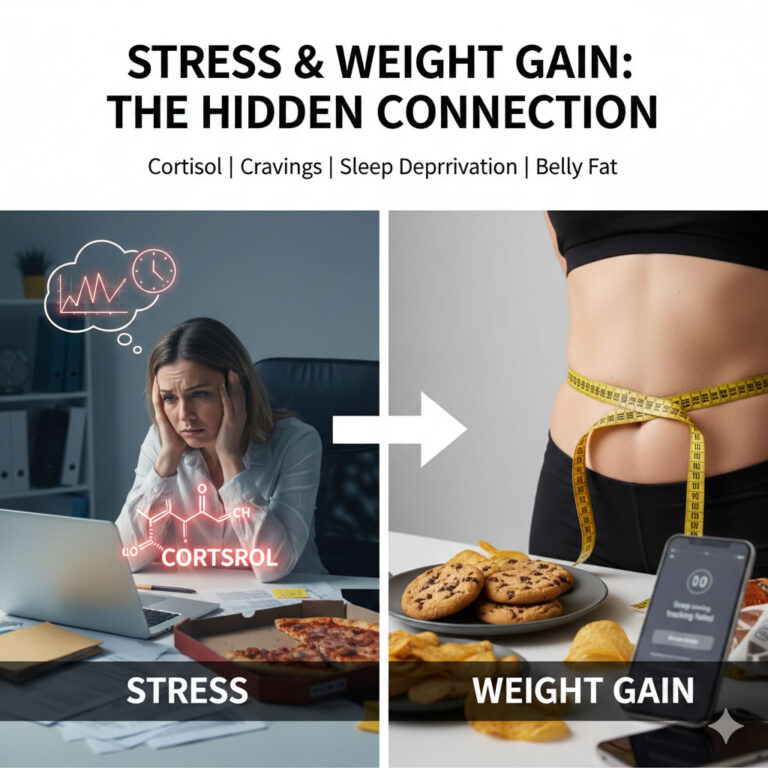
- Stress Reduction: Parenthood comes with its fair share of stress. Exercise is a powerful stress reliever, releasing endorphins (natural mood elevators) and providing a healthy outlet for pent-up energy and frustration.
- Improved Mental Clarity and Mood: Beyond stress, fitness can combat anxiety and depression. It enhances cognitive function, helping you think more clearly and make better decisions – crucial skills for any parent.
- Setting a Positive Example: Your children watch everything you do. By prioritizing your health, you teach them the importance of an active lifestyle and self-care, instilling habits that will benefit them for a lifetime.
- Better Sleep Quality: While it might seem like you’re too busy to sleep, quality sleep is vital. Regular exercise (not too close to bedtime) can significantly improve sleep patterns, leading to more restful nights and more productive days.
- Enhanced Physical Strength and Endurance: Lifting toddlers, carrying groceries, pushing strollers – parenting is a workout in itself. Being physically fit makes these daily tasks easier and reduces your risk of injury.
Now that we understand the profound benefits, let’s tackle the biggest hurdle: time.
The Time Crunch: Shifting Your Mindset About Exercise
“I don’t have time” is the most common refrain from busy parents. The key to overcoming this isn’t magically creating more hours in the day, but rather changing your perception of what “exercise” looks like.
- Embrace Shorter Bursts: Forget the idea that a workout needs to be an hour-long gym session. Studies show that multiple short bursts of activity (10-15 minutes) throughout the day can be just as effective as one long session.
- Multitask Your Movements: Can you do squats while waiting for the kettle to boil? Lunges while holding your baby? Bodyweight exercises during TV commercial breaks? Integrating movement into your daily tasks is a game-changer.
- Prioritize, Don’t Procrastinate: Just like you schedule important appointments, schedule your workouts. Even if it’s just 20 minutes, block it out and treat it as non-negotiable.
- Redefine “Workout”: A workout isn’t just about weights or running. Playing actively with your kids, walking to the park, gardening, or even a vigorous clean-up session can count towards your daily movement goals.
“The perfect workout is the one you actually do.” Remember this mantra. Consistency trumps intensity, especially when you’re starting out.
Strategic Planning: Finding Your Fitness Niche
Every parent’s schedule is different. Here are strategies to identify your “fitness niche” – the times and types of activity that will work best for you.
Early Bird or Night Owl?
- Morning Workouts: If you can manage it, waking up 30 minutes before your kids can be a golden opportunity for a quiet, uninterrupted workout. It sets a positive tone for the day and gets it done before other demands derail you.
- Evening Workouts: If mornings are impossible, an evening session after the kids are asleep might work. Just be mindful of intense exercise too close to bedtime, as it can interfere with sleep.
Lunch Break Leverage
- Workplace Workouts: If you work outside the home, use your lunch break. A brisk walk, a quick bodyweight circuit in an empty office, or a short gym session (if available) can make a huge difference. Pack a quick meal to save time.
Weekend Warrior (with a caveat)
- Family Fitness: Weekends often offer more flexibility. Plan active family outings like hiking, biking, swimming, or visiting a park with ample space for running around.
- Solo Longer Sessions: If your partner can take over childcare, use a segment of the weekend for a longer solo workout you enjoy. However, don’t rely solely on weekends; consistency throughout the week is key.
The “Kid-Friendly” Workout
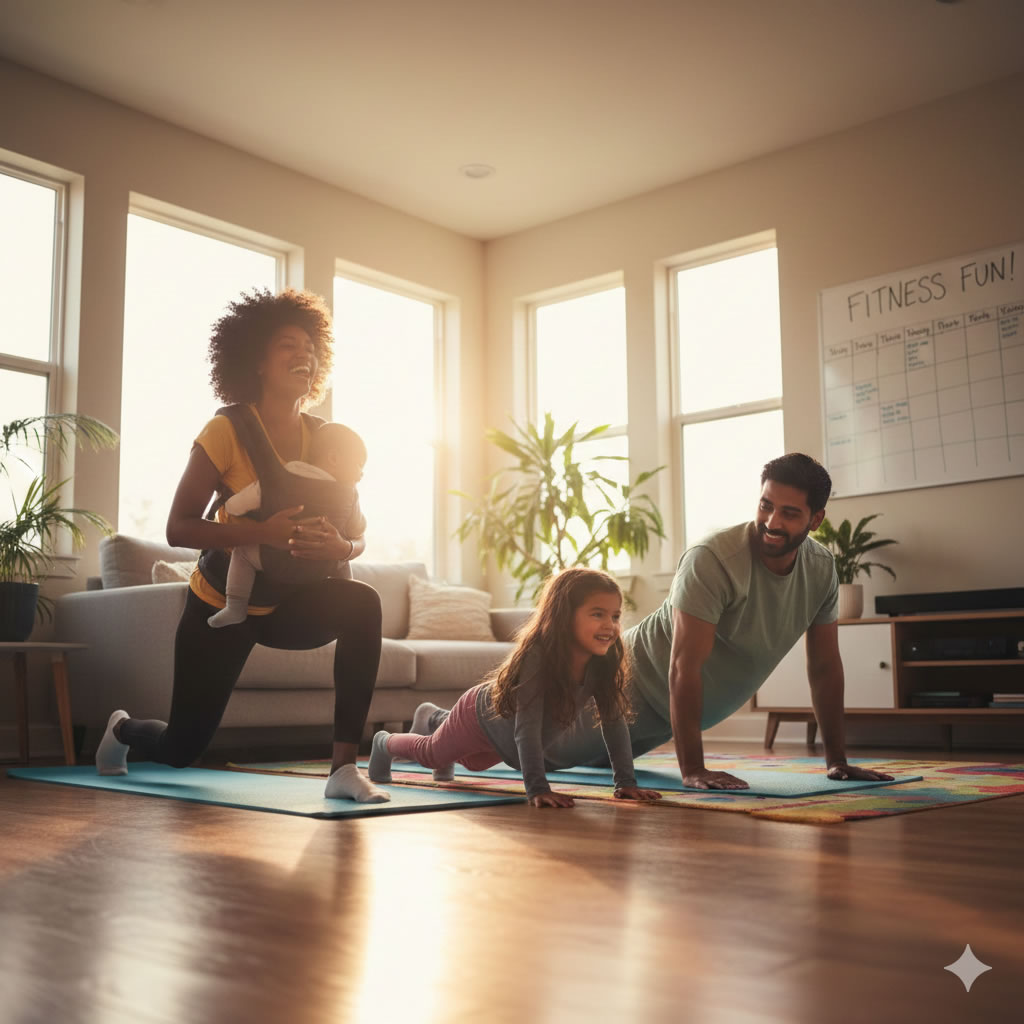
- Involve Your Children: Make fitness a family affair. Go for walks, play tag, create obstacle courses in the living room, or have a dance party. This teaches them healthy habits and gives you quality time together.
- Stroller Workouts: If you have a baby or toddler, a power walk with the stroller is excellent cardio. Many parks also have “stroller workout” groups you can join for motivation and community.
- Babywearing Workouts: For infants, gentle squats, lunges, and walking while babywearing can be a subtle way to add resistance and bond with your little one.
Top Fitness Tips for Busy Parents (Actionable Strategies)
Here’s where we get into the nitty-gritty. These tips are designed to be practical, flexible, and effective for parents juggling multiple responsibilities.
1. Embrace HIIT (High-Intensity Interval Training)
HIIT is your best friend when time is scarce. It involves short bursts of intense exercise followed by brief recovery periods.
- Why it works: Maximum calorie burn in minimal time (15-20 minutes can be incredibly effective).
- Examples: Burpees, jumping jacks, mountain climbers, high knees, squat jumps. Do each exercise for 30-45 seconds, rest for 15-20 seconds, and repeat 3-4 rounds.
- Try this: 1-minute jumping jacks, 30-second rest. 1-minute squats, 30-second rest. 1-minute push-ups (on knees if needed), 30-second rest. Repeat 3-5 times.
- Equipment Needed: None!
2. Bodyweight Strength Training
No gym membership? No problem. Your body is your gym.
- Why it works: Builds strength, tones muscles, and can be done anywhere, anytime.
- Examples: Squats, lunges, push-ups, planks, triceps dips (using a chair), glute bridges. Focus on proper form to prevent injury.
- Try this: 3 sets of 10-15 reps for each: Squats, Lunges (per leg), Push-ups, Plank (hold for 30-60 seconds).
- Equipment Needed: None.
3. Power Walks & Active Commutes
Don’t underestimate the power of walking.
- Why it works: Low impact, improves cardiovascular health, can be done with kids, and integrates easily into daily life.
- Examples: Park further away, take the stairs, walk to school pickup, go for a brisk 30-minute walk during naptime or after dinner.
- Equipment Needed: Comfortable shoes.
4. The “Workout Snack” Approach
Instead of one big meal, have several “fitness snacks.”
- Why it works: Fits into small gaps in your day, keeps your metabolism active, and reduces the mental barrier of needing a long block of time.
- Examples: 10 minutes of stretching in the morning, 15 minutes of bodyweight exercises during naptime, 10 minutes of dancing with your kids in the evening.
- Equipment Needed: None.
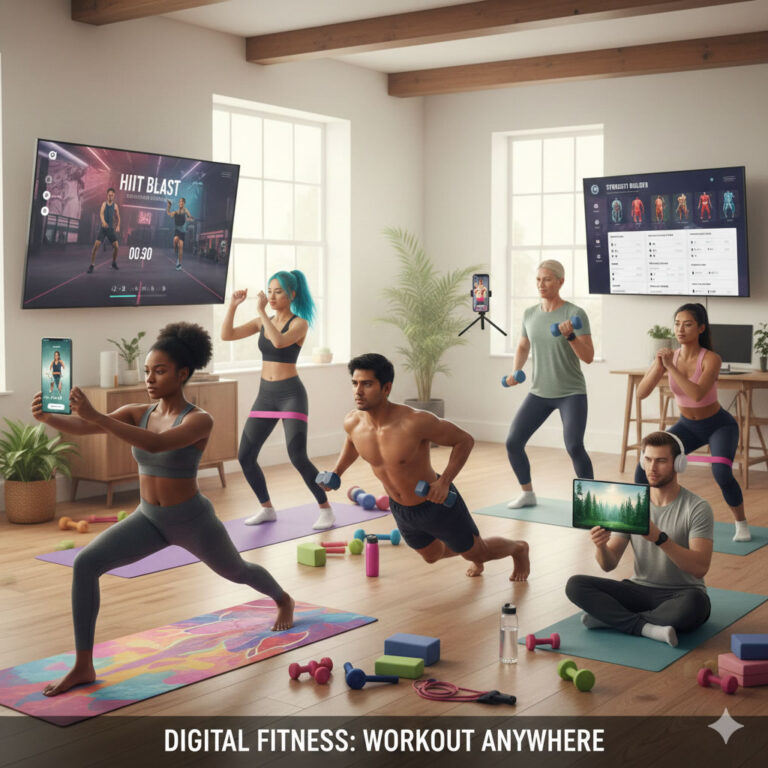
5. Utilise Online Resources
The internet is a goldmine for free and paid workout programs.
- Why it works: Access to guided workouts from your living room, no travel time, and often customizable to your fitness level.
- Examples: YouTube fitness channels (e.g., FitnessBlender, Pamela Reif), fitness apps (e.g., Nike Training Club, Peloton app – many offer free trials), subscription services.
- Equipment Needed: Often just a mat, sometimes light weights.
6. Focus on Core Strength
A strong core supports your back, improves posture, and makes daily tasks easier.
- Why it works: Essential for all movements, reduces back pain, and can be done in short bursts.
- Examples: Planks, bird-dog, dead bug, Russian twists.
- Equipment Needed: None.
7. Prioritize Recovery & Sleep
Fitness isn’t just about the workout; it’s also about what happens afterward.
- Why it works: Prevents injury, rebuilds muscles, and reduces fatigue.
- Examples: Gentle stretching, foam rolling, prioritizing 7-9 hours of sleep, taking rest days.
Beyond the Workout: Holistic Health for Parents
Fitness is only one piece of the puzzle. For sustainable health and energy, busy parents also need to focus on nutrition and mental well-being.
Nutrition Strategies for Hectic Schedules
- Meal Prep: Dedicate an hour or two on the weekend to chop veggies, cook grains, and prepare healthy snacks. This saves immense time during the week.
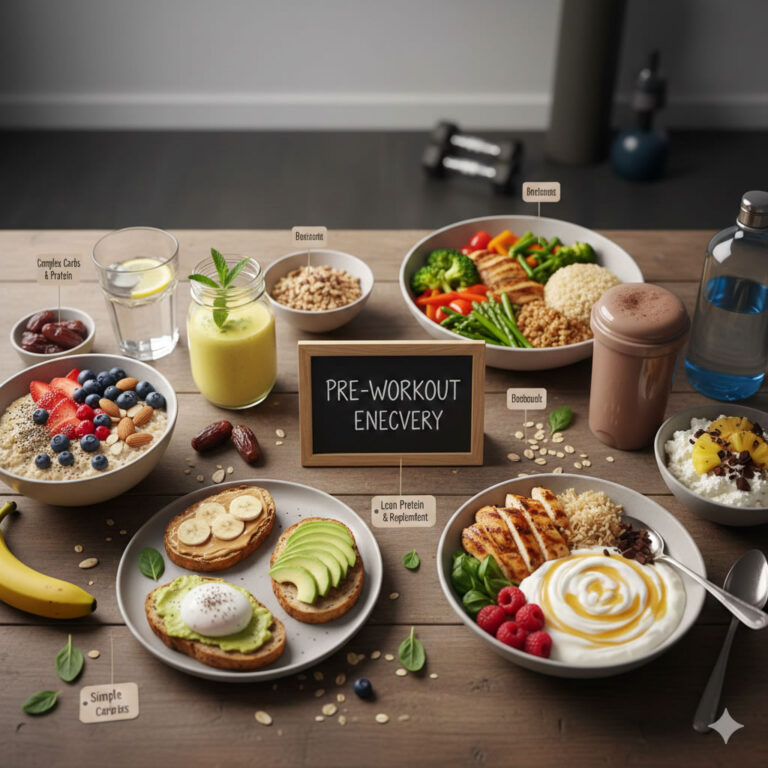
- Smart Snacking: Keep healthy snacks readily available: fruit, nuts, yogurt, veggie sticks with hummus. This prevents reaching for processed foods when hunger strikes.
- Hydration: Keep a water bottle handy and sip throughout the day. Dehydration often mimics hunger and fatigue.
- Quick & Healthy Meals: Learn a few go-to recipes that are both nutritious and fast to prepare (e.g., stir-fries, sheet pan dinners, quick salads with rotisserie chicken).
- Don’t Skip Meals: This leads to overeating later and energy crashes.
Mental Wellness & Stress Management
- Mindfulness & Deep Breathing: Even 5 minutes of mindful breathing can reduce stress. Do it while waiting for coffee or during a quick break.
- Connect with Others: Don’t isolate yourself. Share your struggles and successes with other parents. Community support is vital.
- Delegate & Ask for Help: You don’t have to do it all. Ask your partner, family, or friends for help with childcare or household chores so you can carve out time for yourself.
- “No” is a Complete Sentence: Learn to say no to extra commitments that drain your energy and don’t align with your priorities.
- Set Realistic Expectations: Some days will be chaotic. Don’t beat yourself up if you miss a workout. Just get back on track the next day. Consistency over perfection.
Building a Sustainable Routine: The Long Game
Starting is often easier than maintaining. Here’s how to build a fitness routine that lasts.
- Start Small: Don’t try to go from zero to five workouts a week. Begin with 2-3 short sessions and gradually increase as you build strength and confidence.
- Find What You Enjoy: If you hate running, don’t run! Experiment with different activities – dancing, swimming, cycling, yoga, martial arts – until you find something you genuinely look forward to.
- Track Your Progress: Seeing how far you’ve come can be incredibly motivating. Use a journal, a fitness app, or even just a calendar to mark your workouts.
- Be Flexible: Life with kids is unpredictable. If your planned workout gets derailed, have a backup plan (e.g., a quick 10-minute bodyweight circuit you can do anywhere).
- Celebrate Small Wins: Acknowledge your efforts. Ran for 5 minutes longer? Did an extra set of squats? Give yourself credit!
- Listen to Your Body: Rest days are crucial. If you’re feeling overly tired or sore, take a break. Pushing too hard leads to burnout and injury.
Conclusion: Your Fitness Journey Starts Now
Being a busy parent doesn’t mean sacrificing your health. In fact, it makes prioritizing your well-being even more important. By shifting your mindset, embracing shorter, efficient workouts, and integrating movement into your daily life, you can absolutely reclaim your fitness.
Remember, this isn’t about achieving a “perfect” body; it’s about building strength, boosting energy, reducing stress, and setting a powerful example for your children. Your journey starts with one small step, one quick workout, one healthy choice.
What’s the first small step you’ll take today to integrate fitness into your busy parenting life? Share your thoughts and tips in the comments below!
About The Author