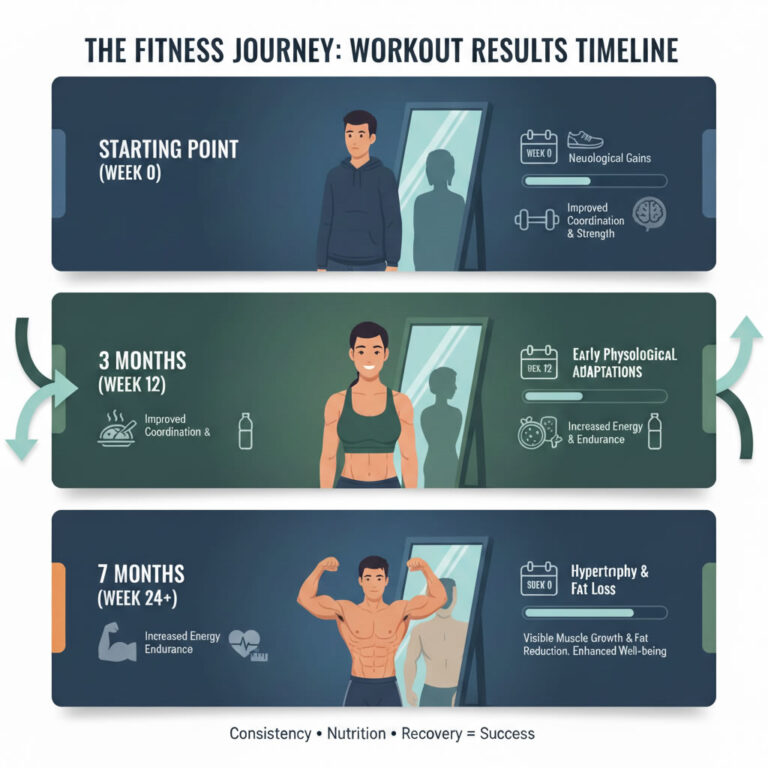
In today’s fitness world, the idea that men and women need completely different workout routines is outdated. Modern exercise science confirms that the human body responds to training in similar ways regardless of gender. Strength, endurance, mobility, and cardiovascular health are universal goals—and they can be achieved through a common, gender-neutral workout routine.
This is suitable for beginners to intermediate fitness levels, and adaptable for home or gym workouts. Whether your goal is fat loss, muscle toning, strength building, or overall fitness, this routine provides a balanced and sustainable approach.
Why a Common Workout Routine Works for Men & Women
Many people believe men should lift heavy weights while women should focus mainly on cardio. This misconception has no scientific basis.
Benefits of a Gender-Neutral Workout Plan
- Builds functional strength
- Improves fat loss and metabolism
- Enhances muscle tone without excessive bulk
- Boosts heart health and stamina
- Improves posture, balance, and flexibility
- Encourages long-term fitness habits
The difference between individuals is not gender—it’s fitness level, recovery ability, nutrition, and consistency.
Workout Frequency & Structure
Recommended Frequency: 4–5 days per week
Session Duration: 45–75 minutes
Weekly Workout Split
- Day 1: Full Body Strength
- Day 2: Cardio + Core
- Day 3: Active Recovery / Rest
- Day 4: Lower Body Workout
- Day 5: Upper Body Workout
- Day 6: Mobility & Stretching
- Day 7: Complete Rest
This structure allows muscles to recover while maintaining steady progress.
Warm-Up Routine (Do Not Skip)
A proper warm-up prepares the body for exercise and significantly reduces injury risk.
5–10 Minute Dynamic Warm-Up
- Jumping Jacks – 1 minute
- Arm Circles – 30 seconds each direction
- High Knees – 1 minute
- Bodyweight Squats – 15 reps
- Hip Circles & Shoulder Rolls – 1 minute
Day 1: Full Body Strength Workout
This workout targets all major muscle groups and forms the foundation of strength training.
Exercises
- Squats – 3 sets × 12 reps
- Push-Ups – 3 × 8–15 reps
- Bent-Over Rows (Dumbbells or Resistance Band) – 3 × 12
- Glute Bridges – 3 × 15
- Plank Hold – 3 × 30–45 seconds
Tip: Focus on proper form and controlled movements.
Day 2: Cardio & Core Workout
Cardio improves cardiovascular endurance, while core training stabilizes the entire body.
Cardio Options (20–30 Minutes)
- Brisk Walking
- Jogging or Running
- Cycling
- Jump Rope
- Elliptical Trainer
Core Circuit (3 Rounds)
- Mountain Climbers – 30 seconds
- Bicycle Crunches – 20 reps
- Leg Raises – 12 reps
- Russian Twists – 20 reps
Day 3: Active Recovery or Rest
Rest is a critical part of any effective workout routine.
Active Recovery Ideas
- Light yoga
- Walking or slow cycling
- Stretching
- Foam rolling
This improves mobility and prevents overtraining.
Day 4: Lower Body & Glutes Workout
Strong legs support daily activities and improve athletic performance.
Exercises
- Lunges – 3 × 10 reps per leg
- Romanian Deadlifts – 3 × 12
- Step-Ups – 3 × 10
- Calf Raises – 3 × 15–20
- Wall Sit – 2 × 45 seconds
Day 5: Upper Body & Arms Workout
This workout improves upper-body strength and posture.
Exercises
- Shoulder Press – 3 × 12
- Lat Pulldown or Assisted Pull-Ups – 3 × 10
- Bicep Curls – 3 × 12
- Tricep Dips – 3 × 10–12
- Lateral Raises – 3 × 15
Day 6: Mobility & Stretching Routine
Stretching helps maintain joint health and muscle flexibility.
Full-Body Stretching (10–20 Minutes)
- Hamstring stretch
- Quad stretch
- Hip flexor stretch
- Chest and shoulder opener
- Seated spinal twist
Hold each stretch for 20–30 seconds.
Nutrition Guidelines for Men & Women
Exercise alone is not enough. Nutrition plays a vital role in results.
Basic Nutrition Tips
- Include protein in every meal
- Choose complex carbohydrates (oats, rice, fruits)
- Add healthy fats (nuts, seeds, olive oil)
- Drink 2–3 liters of water daily
- Limit processed foods and sugary drinks
Portion sizes may differ, but food quality matters most.
Common Workout Mistakes to Avoid
- Skipping warm-ups and cooldowns
- Training without rest days
- Using improper form
- Expecting instant results
- Ignoring sleep and hydration
Consistency and patience are key.
Who Can Follow This Gender-Neutral Workout Routine?
✔ Men and women
✔ Beginners and intermediates
✔ Home or gym users
✔ Weight-loss seekers
✔ Muscle-toning goals
✔ Busy professionals
This routine is flexible and easy to adapt.
Frequently Asked Questions
Is the same workout effective for men and women?
Yes. Both genders benefit from the same strength and cardio exercises. Intensity and weights can be adjusted individually.
Can beginners start with this routine?
Absolutely. Begin with lighter weights and fewer reps.
Will women gain bulky muscles?
No. Bulky muscles require specific training, diet, and genetics.
When will results be visible?
Most people notice changes in 4–8 weeks with consistency.
Final Thoughts
A common workout routine for men and women removes unnecessary complexity from fitness. By focusing on strength, cardio, mobility, and recovery, this gender-neutral plan supports long-term health and sustainable results.
Fitness is universal. Train smart, stay consistent, and let your progress speak for itself.
About The Author