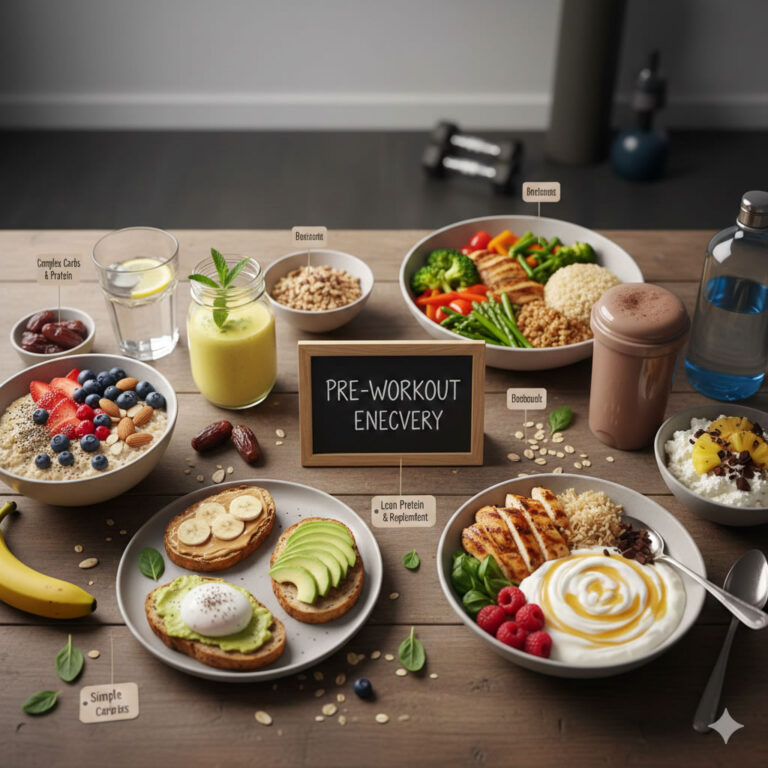
We’ve all been there. The initial burst of motivation, the grand plans for a new fitness routine, only to find ourselves weeks later, struggling to lace up our shoes. The gym membership sits unused, the healthy meal prep containers gather dust, and the dream of a fitter, stronger you feels further away than ever. What’s often missing in this cycle isn’t desire, nor capability, but something far more fundamental: discipline.
Discipline for fitness isn’t about being a robot or living a life devoid of enjoyment. It’s the unwavering commitment to your long-term goals, the ability to make consistent choices that align with your vision, even when motivation wanes. It’s the silent force that propels you forward when you’d rather hit snooze or indulge in another cheat meal.
In a world brimming with quick fixes, fad diets, and 30-day challenges, true, sustainable fitness success hinges on cultivating robust discipline. This comprehensive guide will delve deep into the psychological and practical strategies you can employ to build unwavering discipline for your fitness journey, transforming it from a series of starts and stops into a lifelong commitment. We’ll explore actionable techniques, mindset shifts, and habit-forming strategies that will empower you to conquer procrastination, overcome plateaus, and finally achieve the lasting results you desire.
Why Discipline Trumps Motivation (Most of the Time)
Motivation is a fantastic catalyst. It’s the spark that ignites the fire, the initial excitement that gets you started. But motivation is fleeting. It’s an emotion, subject to mood swings, external circumstances, and daily stresses. If you rely solely on motivation to fuel your fitness journey, you’ll find yourself constantly battling an uphill struggle.
Discipline, on the other hand, is a skill, a muscle you can strengthen over time. It’s the unwavering commitment that keeps you going when motivation has packed its bags and left town. Think of it this way: Motivation gets you to the gym. Discipline gets you through the workout, day after day, week after week, even when you’d rather be anywhere else.
Building discipline means creating systems and habits that remove the need for constant willpower. It’s about making the healthy choice the default choice, minimizing decision fatigue, and automating your fitness actions. When discipline takes the wheel, your progress becomes less about how you feel on any given day and more about the consistent actions you take.
The Foundational Pillars of Fitness Discipline
To build lasting discipline, we need to address several key areas that form the bedrock of any successful fitness journey.
1. Define Your “Why”: The Unshakeable Foundation
Before you even think about reps, sets, or macros, you need to understand why you want to get fit. Your “why” isn’t a superficial goal like “lose 10 pounds.” It’s a deeper, more profound reason that resonates with your core values and aspirations.
- Go Beyond the Superficial: Instead of “I want to lose weight,” ask yourself: “Why do I want to lose weight?” Is it to keep up with your kids, improve your health markers, boost your self-confidence, or feel more energetic throughout the day?
- Connect to Emotion: Your “why” should evoke a strong emotional response. When you feel like quitting, recalling this deeper purpose should be powerful enough to pull you back on track.
- Visualize Your Future Self: Close your eyes and vividly imagine yourself having achieved your fitness goals. What does that look like? How does it feel? How has your life changed? This powerful visualization can be a potent motivator.
Actionable Steps:
- Journaling: Dedicate time to writing down your deepest reasons for pursuing fitness. Explore how a fitter you would impact every aspect of your life.
- Vision Board: Create a visual representation of your “why.” Include images, words, and quotes that inspire you and remind you of your ultimate purpose.
2. Set SMART Goals: Clarity and Direction
Vague goals lead to vague results. Discipline thrives on clarity and a clear roadmap. The SMART goal framework is invaluable here:
- Specific: What exactly do you want to achieve? (e.g., “Run a 5k,” not “get fit”).
- Measurable: How will you track your progress? (e.g., “Run a 5k in under 30 minutes”).
- Achievable: Is this goal realistic given your current fitness level and resources?
- Relevant: Does this goal align with your overall “why” and long-term aspirations?
- Time-bound: When do you plan to achieve this goal? (e.g., “Run a 5k in under 30 minutes by October 31st”).
Actionable Steps:
- Break Down Big Goals: If your ultimate goal is significant, break it into smaller, manageable milestones. Achieving these mini-goals will build momentum and reinforce discipline.
- Review Regularly: Revisit your SMART goals weekly or monthly to ensure you’re still on track and make adjustments as needed.
3. Develop Non-Negotiable Routines: Automate Success
One of the most powerful tools for building discipline is the creation of consistent, non-negotiable routines. When an action becomes a routine, it requires less willpower and becomes almost automatic.
- Schedule Your Workouts: Treat your gym sessions or home workouts like important appointments you cannot miss. Block them out in your calendar.
- Consistency Over Intensity (Initially): If you’re just starting, focus on showing up consistently, even if it’s for a shorter, less intense workout. The habit of showing up is more important than crushing every session from day one.
- Morning Routines: Many highly disciplined individuals swear by consistent morning routines. This could include a workout, meditation, healthy breakfast, or meal prep. Starting your day with productive, health-oriented actions sets a positive tone.
- Evening Routines: Prepare for the next day. Lay out your workout clothes, pack your gym bag, or prepare your healthy lunch. This removes friction and excuses for the morning.
Actionable Steps:
- Start Small: Don’t overhaul your entire life at once. Pick one fitness-related routine to implement for a few weeks until it sticks, then add another.
- “If-Then” Planning: Use conditional planning to address potential obstacles. For example, “IF I feel too tired to go to the gym after work, THEN I will do a 20-minute bodyweight workout at home.”
4. Optimize Your Environment: Make the Healthy Choice Easy
Your environment plays a massive role in shaping your choices. If your surroundings are filled with temptations and barriers to healthy habits, discipline becomes an uphill battle.
- Remove Temptations: Get rid of unhealthy snacks, processed foods, and sugary drinks from your home. If it’s not there, you can’t eat it.
- Make Healthy Choices Visible: Keep healthy snacks like fruit, nuts, and chopped vegetables readily accessible and visible.
- Prepare for Success: Stock your pantry and fridge with nutritious ingredients. Meal prep on weekends to ensure you have healthy options throughout the week.
- Set Up Your Workout Space: If you work out at home, ensure your space is inviting and ready for action. Keep your weights, mat, and resistance bands easily accessible.
- Surround Yourself with Support: Seek out friends, family, or online communities who share your fitness goals. Their encouragement and accountability can be invaluable.
Actionable Steps:
- Kitchen Overhaul: Dedicate an hour to decluttering your kitchen, removing unhealthy items, and organizing healthy ingredients.
- Accountability Partner: Find a friend or family member with similar goals and commit to checking in with each other regularly.
5. Embrace Discomfort: Growth Lives Outside Your Comfort Zone
Fitness, by its very nature, involves discomfort. Whether it’s the burning sensation in your muscles during a tough workout, the hunger pangs when you’re adjusting to a new diet, or the mental resistance to waking up early, discomfort is part of the process. Discipline means learning to lean into this discomfort, understanding that it’s a sign of growth.
- Mindset Shift: Instead of viewing discomfort as a signal to stop, reframe it as a signal of progress. “This means I’m getting stronger.”
- Practice Tolerance: Gradually expose yourself to small amounts of discomfort. This could be pushing for one more rep, extending your run by another minute, or saying no to a dessert you really crave.
- Delayed Gratification: Understand that the immediate pleasure of giving in to a craving or skipping a workout is fleeting, while the long-term rewards of discipline are profound and lasting.
Actionable Steps:
- “Just Five More” Rule: When you feel like quitting, commit to just five more minutes of activity or five more reps. Often, you’ll find you can do more.
- Cold Showers (Optional): Some people use cold showers to intentionally practice embracing discomfort and strengthening mental fortitude.
6. Track Your Progress: The Power of Tangible Evidence
Seeing tangible evidence of your efforts is a powerful motivator and reinforces discipline. It shows you that your hard work is paying off, even when you don’t feel it day-to-day.
- Workout Log: Record your exercises, sets, reps, and weights. This allows you to see improvements over time and provides a clear path for progressive overload.
- Nutrition Tracker: Monitor your food intake to ensure you’re meeting your macro and calorie goals. This creates awareness and identifies areas for improvement.
- Body Metrics: Track measurements like weight, body fat percentage, and circumference measurements.
- Progress Photos: Take photos every 4-6 weeks in the same lighting and pose. These visual comparisons can be incredibly motivating.
Actionable Steps:
- Choose Your Method: Whether it’s a physical journal, a spreadsheet, or a fitness app, find a tracking method that works for you and commit to using it consistently.
- Celebrate Milestones: Acknowledge and celebrate every achievement, no matter how small. This positive reinforcement fuels continued discipline.
7. Build Habits, Not Just Goals: The Automatic Path to Success
Discipline is ultimately about creating strong habits. A habit is an action that becomes automatic, requiring little to no conscious effort.
- The Habit Loop: Understand the three components of a habit:
- Cue: A trigger that initiates the behavior (e.g., alarm goes off).
- Routine: The behavior itself (e.g., put on workout clothes).
- Reward: The positive outcome that reinforces the behavior (e.g., feeling energized, sense of accomplishment).
- Stack Your Habits: Link a new habit to an existing one. For example, “After I brush my teeth (existing habit), I will do 10 squats (new habit).”
- Focus on One Habit at a Time: Don’t try to change everything at once. Master one new habit before introducing another.
Actionable Steps:
- Identify Existing Cues: Pinpoint natural triggers in your day that you can leverage to introduce new fitness habits.
- Make it Enjoyable: Find ways to make your fitness routine more enjoyable, as positive experiences strengthen the reward cycle. Listen to your favorite music, workout with a friend, or explore new activities.
8. Self-Compassion and Resilience: Bouncing Back from Setbacks
Even the most disciplined individuals experience setbacks. You’ll miss workouts, have days when you overeat, or feel completely unmotivated. The key to lasting discipline isn’t avoiding these moments, but knowing how to respond to them.
- Avoid the All-or-Nothing Mentality: One missed workout doesn’t ruin your entire fitness journey. One unhealthy meal doesn’t erase all your progress.
- Learn, Don’t Lament: Instead of beating yourself up, analyze what went wrong. What triggered the slip-up? How can you prevent it next time?
- Forgive Yourself: Practice self-compassion. Acknowledge your humanity, forgive yourself for the misstep, and immediately get back on track.
- Resilience is Key: View setbacks as opportunities to strengthen your resolve and refine your strategy.
Actionable Steps:
- “Next Best Action”: When you slip up, immediately identify the “next best action” to get back on track. Missed the gym? Go for a walk. Overate at dinner? Plan a healthy breakfast for tomorrow.
- Develop a “Bounce-Back” Plan: Have a pre-determined strategy for how you’ll respond when faced with typical obstacles or temptations.
9. Optimize Sleep and Stress Management: Fueling Your Discipline
Discipline is a finite resource, and it’s heavily impacted by your physical and mental state. Poor sleep and high stress levels can severely deplete your willpower and make adherence to your fitness goals much harder.
- Prioritize Sleep: Aim for 7-9 hours of quality sleep per night. Sleep deprivation impairs decision-making, increases cravings for unhealthy foods, and reduces your energy for workouts.
- Manage Stress: Find healthy outlets for stress, such as meditation, yoga, spending time in nature, reading, or connecting with loved ones. Chronic stress can lead to increased cortisol, which can hinder fat loss and impact mood.
Actionable Steps:
- Create a Bedtime Routine: Establish a relaxing routine before bed to signal to your body it’s time to wind down.
- Incorporate Mindfulness: Practice short meditation sessions or deep breathing exercises to manage daily stress.
10. Seek Professional Guidance: Accelerate Your Progress
Sometimes, an outside perspective and expert guidance can make all the difference in building and maintaining discipline.
- Personal Trainer: A trainer can provide personalized workout plans, teach proper form, push you when you need it, and offer invaluable accountability.
- Nutritionist/Dietitian: A qualified professional can help you develop a sustainable eating plan that aligns with your goals and addresses any specific dietary needs or challenges.
- Coach/Mentor: A life coach or mentor can help you identify and overcome mental blocks, strengthen your mindset, and enhance your overall discipline.
Actionable Steps:
- Research and Interview: If you’re considering professional help, research qualified individuals and interview them to find the best fit for your personality and goals.
- Online Resources: Even if professional help isn’t feasible, leverage reputable online resources, articles, and educational content to deepen your understanding.
Common Discipline Killers and How to Combat Them
- Overwhelm: Trying to do too much too soon. Solution: Start small, focus on one or two habits, and gradually build up.
- Lack of Planning: “Winging it” leads to poor choices. Solution: Plan your workouts, meals, and recovery time in advance.
- Negative Self-Talk: “I can’t do this,” “I’m not strong enough.” Solution: Challenge negative thoughts, replace them with positive affirmations, and focus on progress, not perfection.
- Comparison Trap: Constantly comparing yourself to others. Solution: Focus on your own journey and celebrate your unique progress. Everyone’s path is different.
- Boredom/Plateau: Doing the same routine can lead to stagnation. Solution: Introduce variety, try new exercises, classes, or adjust your training program.
Conclusion: Your Disciplined Path to a Fitter Life
Building discipline for fitness is not a destination; it’s a continuous journey of self-improvement, self-awareness, and consistent action. It’s about making a conscious choice every day to invest in your health and well-being, even when the immediate gratification isn’t apparent.
By understanding your “why,” setting clear goals, establishing routines, optimizing your environment, embracing discomfort, tracking progress, building strong habits, practicing self-compassion, prioritizing sleep, and seeking support, you can cultivate an unshakeable discipline that transcends fleeting motivation.
Remember, every small, consistent step forward contributes to monumental change. Don’t wait for motivation to strike; instead, build the discipline that will carry you through every challenge and propel you towards the fitter, healthier, and more vibrant life you envision. Your future self will thank you for the discipline you cultivate today.
About The Author