Metabolism plays a vital role in how efficiently your body converts food into energy. A faster, well-functioning metabolism helps burn more calories, supports weight management, improves energy levels, and enhances overall health. While genetics and age influence metabolic rate, your daily food choices can significantly impact how fast or slow your metabolism works.
In this comprehensive guide, we’ll explore foods that boost metabolism naturally, explain how they work, and show you how to include them in your daily diet for sustainable results—without relying on supplements or extreme diets.
What Is Metabolism and Why Does It Matter?
Metabolism refers to all the chemical processes that occur in your body to maintain life. These processes include:
- Converting food into energy
- Burning calories at rest
- Repairing cells and tissues
- Regulating hormones and body temperature
A slow metabolism may lead to weight gain, fatigue, and difficulty losing fat, while a healthy metabolism supports fat burning, muscle maintenance, and consistent energy throughout the day.
Can Foods Really Boost Metabolism?
Yes—certain foods can temporarily increase metabolic rate by:
- Increasing thermogenesis (heat production)
- Improving insulin sensitivity
- Supporting muscle mass
- Enhancing fat oxidation
While no food is a miracle solution, combining metabolism-boosting foods with an active lifestyle and adequate sleep can make a noticeable difference over time.
Top Foods That Boost Metabolism Naturally
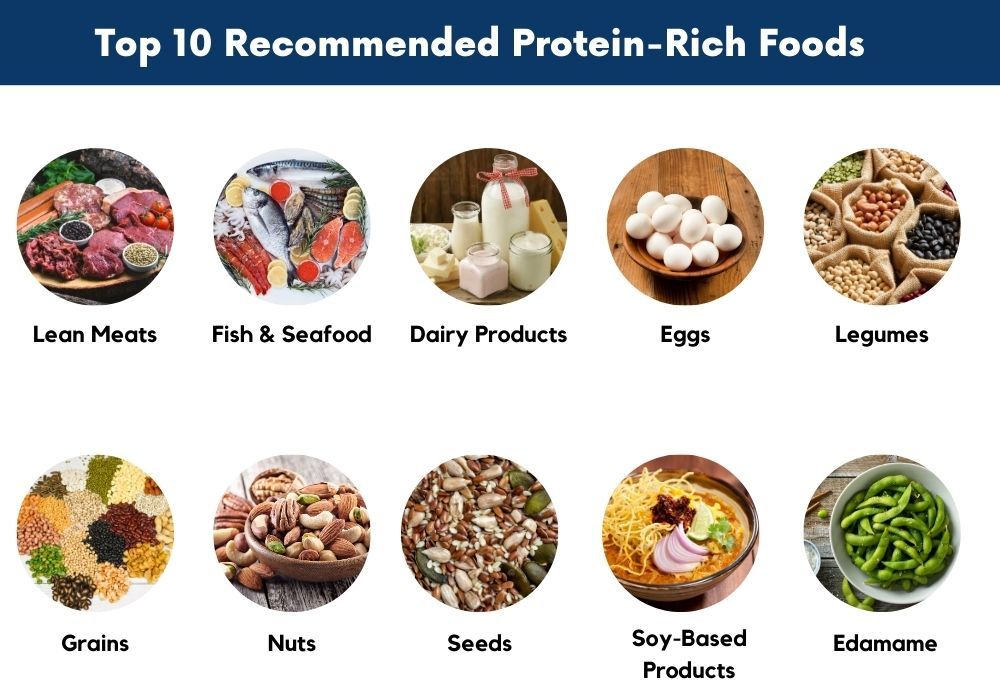
1. Protein-Rich Foods
Protein has the highest thermic effect of food (TEF), meaning your body burns more calories digesting protein compared to fats or carbohydrates.
Best protein sources:
- Eggs
- Lean chicken and turkey
- Fish
- Greek yogurt
- Lentils and beans
- Paneer and tofu
Benefits:
- Increases calorie burn during digestion
- Preserves lean muscle mass
- Reduces appetite and cravings
Including protein in every meal helps keep your metabolism active throughout the day.
2. Chili Peppers and Spicy Foods
Chili peppers contain capsaicin, a compound known to increase metabolic rate and fat burning.
How it helps:
- Raises body temperature
- Enhances calorie expenditure
- May reduce appetite
Even mild spicy foods can provide benefits when consumed regularly.
3. Green Tea and Herbal Tea
Green tea is rich in catechins and antioxidants, which work synergistically to boost metabolism and support fat oxidation.
Benefits include:
- Increased fat burning during exercise
- Improved insulin sensitivity
- Reduced inflammation
Drinking 2–3 cups daily may support metabolic health without excess caffeine.
4. Coffee (In Moderation)
Caffeine stimulates the nervous system and can temporarily increase metabolic rate.
Why it works:
- Enhances fat breakdown
- Improves physical performance
- Boosts alertness and energy
For best results:
- Avoid excessive sugar and cream
- Limit intake to 2–3 cups per day
5. Whole Grains
Unlike refined carbs, whole grains require more energy to digest and stabilize blood sugar levels.
Examples include:
- Oats
- Brown rice
- Quinoa
- Whole wheat
- Millets
Benefits:
- Higher calorie burn during digestion
- Improved gut health
- Reduced insulin spikes
A stable blood sugar level supports a healthier metabolism.
6. Healthy Fat

Healthy fats play a crucial role in hormone production and metabolic efficiency.
Top sources:
- Avocados
- Nuts and seeds
- Olive oil
- Fatty fish
How they help:
- Improve insulin sensitivity
- Reduce inflammation
- Support fat metabolism
Replacing trans fats with healthy fats can significantly improve metabolic health.
7. Water and Hydrating Foods
Drinking enough water is essential for optimal metabolic function. Even mild dehydration can slow calorie burning.
Hydrating foods include:
- Cucumbers
- Watermelon
- Oranges
- Lettuce
Cold water may slightly increase calorie expenditure as the body works to warm it.
8. Fruits Rich in Fiber and Antioxidants
Fruits that are high in fiber and antioxidants support digestion and metabolic balance.
Best choices:
- Berries
- Apples
- Grapefruit
- Oranges
- Pears
Fiber slows digestion, promotes satiety, and stabilizes blood sugar—key factors in maintaining a healthy metabolism.
9. Vegetables That Support Metabolism
Low-calorie, nutrient-dense vegetables keep your digestive system active and efficient.
Metabolism-friendly vegetables:
- Spinach
- Broccoli
- Cauliflower
- Bell peppers
- Zucchini
They provide essential vitamins and minerals without excess calories.
10. Fermented Foods
Fermented foods support gut health, which plays a direct role in metabolic regulation.
Examples include:
- Yogurt with live cultures
- Kefir
- Sauerkraut
- Kimchi
A healthy gut microbiome improves nutrient absorption and energy balance.
How to Combine These Foods for Maximum Impact
Boosting metabolism is not about eating one “superfood” but creating balanced, consistent meals.
Sample metabolism-boosting day:
- Breakfast: Eggs with vegetables and whole-grain toast
- Snack: Greek yogurt with berries
- Lunch: Grilled protein with quinoa and salad
- Snack: Nuts and green tea
- Dinner: Fish with steamed vegetables and olive oil
Consistency matters more than perfection.
Lifestyle Factors That Enhance Metabolism
Even the best foods work better when combined with healthy habits:
- Strength training to build muscle
- Regular movement and walking
- Quality sleep (7–9 hours)
- Stress management
Food + lifestyle = sustainable metabolism boost.
Common Myths About Metabolism-Boosting Foods
Myth 1: Spicy food alone burns fat
Truth: It helps slightly but must be part of a balanced diet.
Myth 2: Skipping meals boosts metabolism
Truth: It often slows metabolism and increases fat storage.
Myth 3: Supplements work better than food
Truth: Whole foods provide safer, long-term benefits.
Final Thoughts
Boosting your metabolism naturally is achievable through smart food choices, consistency, and a healthy lifestyle. By including protein-rich foods, fiber-dense fruits and vegetables, healthy fats, and metabolism-supporting beverages like green tea, you can support your body’s calorie-burning potential without extreme dieting.
Remember, the goal isn’t rapid results—it’s sustainable metabolic health that supports long-term wellness, energy, and weight management.
About The Author