To achieve peak performance, understanding the benefits of vitamins and minerals is just as important as tracking your macros. These micro nutrients are the spark plugs that keep your body’s engine running.
When we talk about fitness and health, most people focus on exercise, protein, and calories. But there’s another powerful foundation of good health that often gets ignored—vitamins and minerals.
Vitamins and minerals are micronutrients, meaning your body needs them in small amounts, but their impact is huge. From boosting immunity and improving energy levels to supporting mental health, muscle recovery, and overall well-being, these nutrients play a vital role in how your body functions every single day.
In this article, we’ll explore what vitamins and minerals are, why your body needs them, their benefits, food sources, deficiency symptoms, and how they support fitness and daily health.
What Are Vitamins and Minerals?
Vitamins
Vitamins are organic compounds that your body needs for growth, metabolism, immunity, and cell repair. Your body cannot produce most vitamins on its own, so they must come from food.
There are two main types:
- Fat-soluble vitamins (A, D, E, K)
- Water-soluble vitamins (B-complex and C)
Minerals
Minerals are inorganic elements that help with bone health, muscle contraction, nerve function, and fluid balance.
They are divided into:
- Major minerals (calcium, magnesium, potassium, sodium)
- Trace minerals (iron, zinc, iodine, selenium)
Both vitamins and minerals work together to keep your body strong, active, and balanced.
Why Vitamins and Minerals Are Essential for the Body

Your body needs vitamins and minerals to:
- Produce energy from food
- Strengthen immunity
- Build bones and teeth
- Support muscle function
- Improve brain and nerve health
- Maintain healthy skin, hair, and eyes
- Support hormone balance
Without enough micronutrients, even the best workout and diet plan won’t give optimal results.
Key Vitamins and Their Importance
Vitamin A – Vision & Immunity
Benefits:
- Improves eyesight
- Supports immune system
- Keeps skin healthy
Food sources:
- Carrots
- Sweet potatoes
- Spinach
- Mango
Deficiency symptoms:
- Night blindness
- Weak immunity
- Dry skin
Vitamin B-Complex – Energy & Brain Health
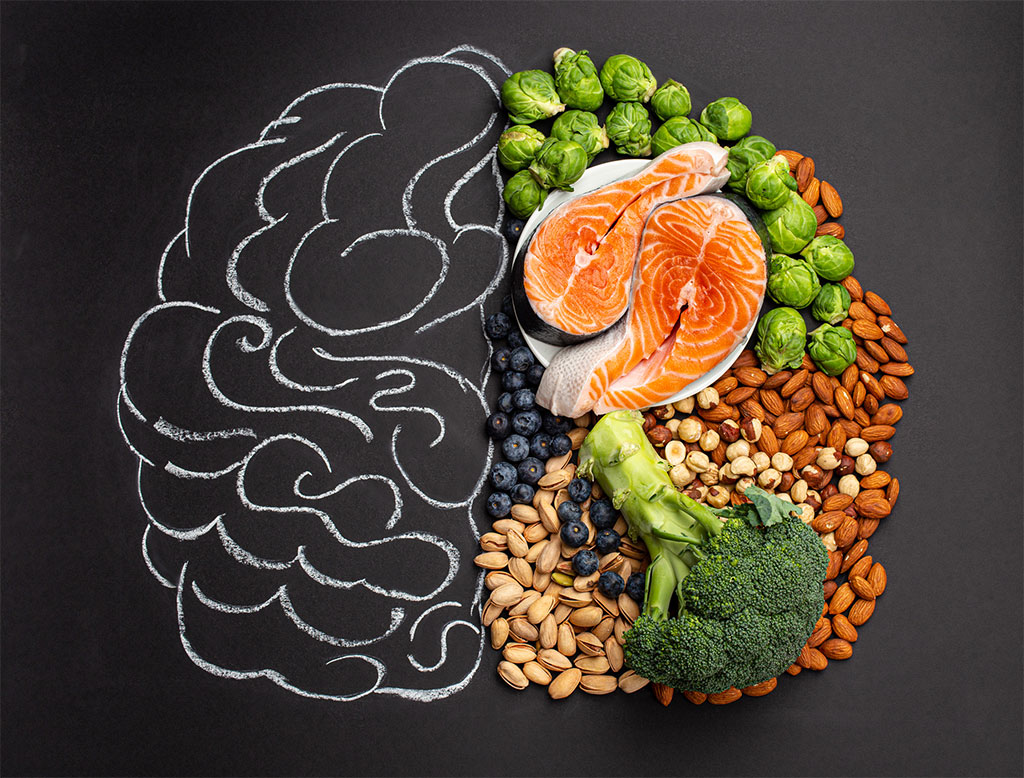
B-complex vitamins include B1, B2, B3, B6, B9, and B12.
Benefits:
- Converts food into energy
- Supports brain and nerve function
- Reduces fatigue
- Helps red blood cell formation
Food sources:
- Whole grains
- Eggs
- Dairy
- Leafy vegetables
- Pulses
Deficiency symptoms:
- Low energy
- Poor concentration
- Mood changes
Vitamin C – Immunity & Recovery
Benefits:
- Boosts immune system
- Helps wound healing
- Reduces inflammation
- Improves iron absorption
Food sources:
- Oranges
- Lemon
- Amla
- Bell peppers
- Strawberries
Deficiency symptoms:
- Frequent illness
- Slow recovery
- Bleeding gums
Vitamin D – Bones & Hormones
Benefits:
- Strengthens bones
- Improves calcium absorption
- Supports immunity
- Helps hormone balance
Sources:
- Sunlight
- Egg yolk
- Fortified milk
- Mushrooms
Deficiency symptoms:
- Bone pain
- Weak muscles
- Low immunity
- Fatigue
Vitamin D deficiency is very common, especially in people who spend little time outdoors.
Vitamin E – Cell Protection
Benefits:
- Protects cells from damage
- Improves skin health
- Supports immunity
Food sources:
- Nuts
- Seeds
- Vegetable oils
Vitamin K – Blood & Bone Health
Benefits:
- Helps blood clotting
- Supports bone strength
Food sources:
- Green leafy vegetables
- Broccoli
- Cabbage
Important Minerals and Their Role
Calcium – Strong Bones & Teeth
Benefits:
- Bone strength
- Muscle contraction
- Heart health
Food sources:
- Milk
- Curd
- Paneer
- Sesame seeds
Deficiency symptoms:
- Weak bones
- Muscle cramps
Iron – Oxygen & Energy
Benefits:
- Carries oxygen in blood
- Prevents fatigue
- Improves stamina
Food sources:
- Spinach
- Lentils
- Dates
- Jaggery
Deficiency symptoms:
- Tiredness
- Dizziness
- Pale skin
Iron deficiency is common, especially among women.
Magnesium – Muscle & Nerve Function
Benefits:
- Prevents muscle cramps
- Improves sleep quality
- Supports stress control
Food sources:
- Nuts
- Seeds
- Whole grains
- Dark chocolate
Potassium – Heart & Muscle Health
Benefits:
- Regulates blood pressure
- Supports muscle movement
- Maintains fluid balance
Food sources:
- Banana
- Coconut water
- Potatoes
- Oranges
Zinc – Immunity & Healing
Benefits:
- Strengthens immunity
- Supports wound healing
- Improves metabolism
Food sources:
- Seeds
- Nuts
- Whole grains
- Dairy
Role of Vitamins and Minerals in Fitness
For fitness lovers, vitamins and minerals are game-changers:
- Improve workout energy
- Support muscle recovery
- Reduce injury risk
- Prevent cramps and fatigue
- Improve endurance and strength
Without proper micronutrients, workouts feel harder and results come slower.
Signs of Vitamin and Mineral Deficiency
Your body gives warning signals when nutrients are low:
- Constant tiredness
- Frequent illness
- Muscle cramps
- Hair fall
- Weak nails
- Poor focus
- Slow recovery after workouts
Ignoring these signs can affect long-term health.
Best Way to Get Vitamins and Minerals
1. Balanced Diet (Best Option)
A diet rich in:
- Fruits
- Vegetables
- Whole grains
- Nuts and seeds
- Dairy or alternatives
covers most nutrient needs naturally.
2. Supplements (When Needed)
Supplements may help if:
- You have a diagnosed deficiency
- Your diet is limited
- You have high physical activity levels
Supplements should support, not replace, a healthy diet.
Common Myths About Vitamins and Minerals
❌ “More vitamins mean better health”
✔ Excess intake can be harmful
❌ “Supplements are better than food”
✔ Natural food sources are best
❌ “Only athletes need micronutrients”
✔ Everyone needs them daily
Vitamins, Minerals, and Long-Term Health
Adequate micronutrients help prevent:
- Weak immunity
- Bone problems
- Chronic fatigue
- Lifestyle diseases
- Early aging
They are essential for sustainable fitness and overall wellness.
Simple Daily Tips to Improve Micronutrient Intake
- Eat colorful fruits and vegetables
- Include nuts and seeds daily
- Don’t skip sunlight exposure
- Avoid excessive junk food
- Drink enough water
- Focus on variety, not restriction
Small habits make a big difference.
Final Thoughts
Vitamins and minerals may be needed in small amounts, but their impact on your body is massive. They support energy, immunity, fitness performance, mental clarity, and long-term health.
No matter your fitness goal—weight loss, muscle gain, or overall wellness—micronutrients are non-negotiable.
Eat smart. Train smart. Stay healthy.
About The Author