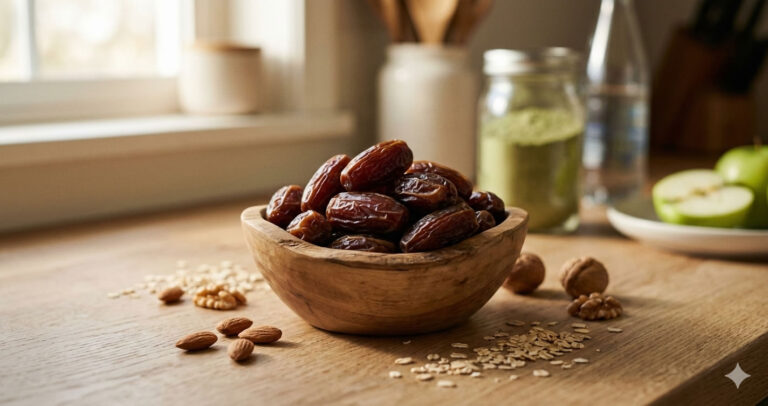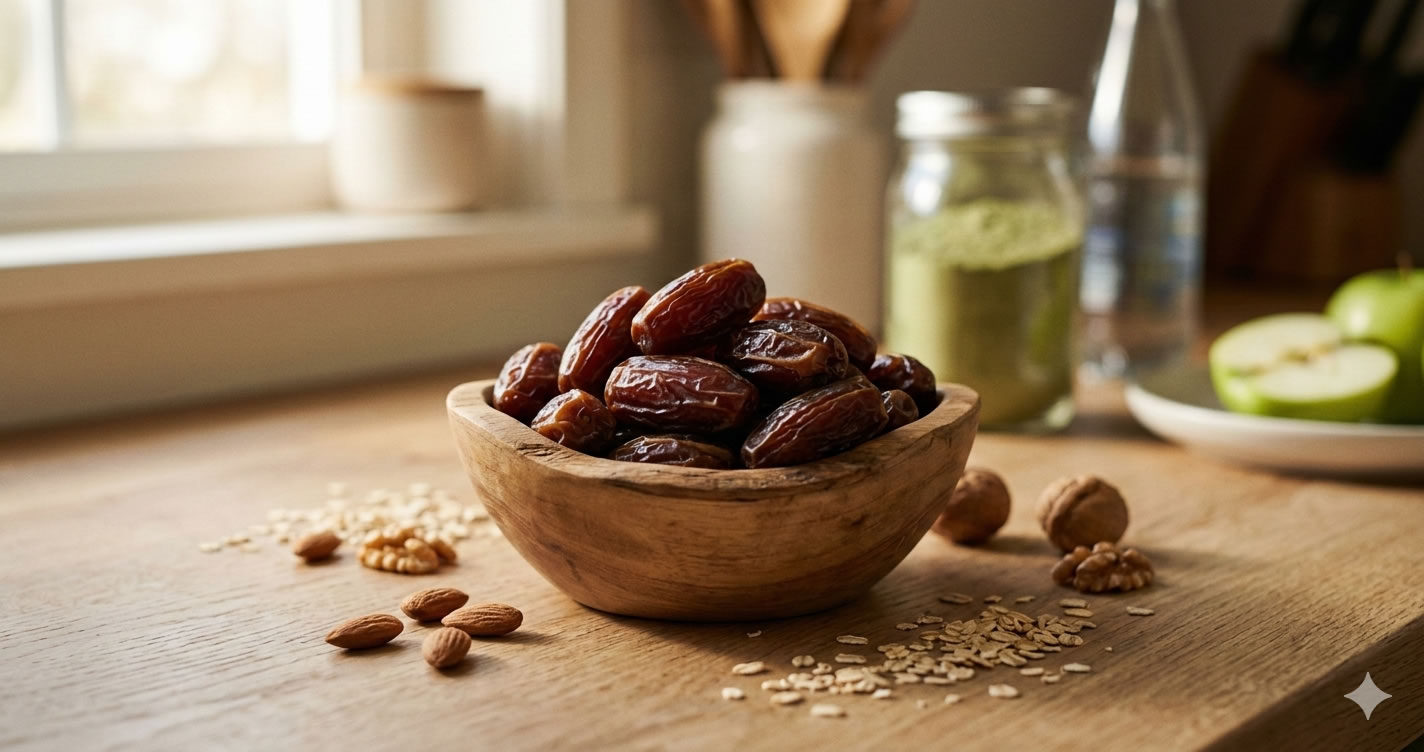
For centuries, dates have been a staple food across the Middle East and beyond. Known as “nature’s candy,” they are undeniably sweet and delicious. But for someone on a journey towards fat loss, this very sweetness might raise a red flag.
The popular perception often pits sweet foods against weight loss. But the reality is often more complex, especially when we’re dealing with natural, whole foods.
So, are dates a friend or foe when you’re trying to shed those extra pounds? Let’s delve into the science and separate fact from fiction.
The Nutritional Breakdown of Dates
Before we can answer whether dates are good for fat loss, we first need to understand what’s inside them. It’s essential to look at the nutritional profile of a food rather than just labeling it “healthy” or “unhealthy.”
Here’s a look at the key nutrients found in dates (specifically, a single, average-sized Medjool date, which is one of the most common varieties):
- Calories: ~66 calories.
- Carbohydrates: ~18 grams. This is the primary component of dates, and yes, it’s mostly sugar.
- Fiber: ~1.6 grams. This is a crucial element that changes the game for dates.
- Protein: ~0.4 grams. A small amount, but present.
- Fat: <0.1 gram. Dates are virtually fat-free.
- Potassium: ~167 milligrams (approx. 5% of your recommended daily intake).
- Magnesium: ~15 milligrams (approx. 4% of your recommended daily intake).
- Vitamin B6: A small but notable amount.
- Antioxidants: Rich in flavonoids, carotenoids, and phenolic acid.
Dates and Fat Loss: The Arguments Against
It’s easy to see why dates could be problematic for fat loss.
- High Sugar Content: Dates are incredibly sweet. A couple of dates can contain more sugar than some processed snacks. And we know that excess sugar, especially added sugar, is a major contributor to weight gain and fat accumulation.
- Calorie Density: For their small size, dates are relatively high in calories. It’s very easy to overeat them, especially when they’re so delicious. Just four or five dates can contain over 300 calories.
These are significant points, and if you’re not careful, dates can quickly derail your fat loss goals.
The Arguments For Dates in a Fat Loss Plan
However, the picture is not entirely bleak for the date lover. There are several reasons why dates can be an asset to a fat loss journey:
- The Power of Fiber: This is the game-changer. The 1.6 grams of fiber in a single date might seem small, but it’s a significant percentage of the date’s weight. Fiber is crucial for fat loss for two main reasons:
- Satiety: Fiber slows down digestion and promotes a feeling of fullness. This means that a few dates can be more satisfying than a similarly calorie-dense snack that is low in fiber, potentially reducing your overall calorie intake throughout the day.
- Blood Sugar Regulation: Fiber slows the absorption of sugar into your bloodstream. This prevents the rapid spikes and crashes in blood sugar that can trigger hunger pangs and cravings.
- Low Glycemic Index (GI): Despite their high sugar content, many varieties of dates have a low to medium GI. This is largely due to their high fiber content. Foods with a low GI release energy slowly, preventing the insulin spikes that can promote fat storage.
- Nature’s Prebiotic: The fiber in dates acts as a prebiotic, feeding the beneficial bacteria in your gut. A healthy gut microbiome has been linked to a number of health benefits, including weight management.
- Rich in Micronutrients and Antioxidants: Dates are not just “empty calories.” They pack a punch with essential minerals like potassium and magnesium, which are vital for overall health and can support your energy levels during workouts. The antioxidants in dates also help reduce inflammation, which is often linked to weight gain.
- A Healthy Alternative to Processed Sweets: The most compelling argument for dates might be their role as a replacement. When you have a craving for something sweet, a single date or two can be a far healthier option than a candy bar or a piece of cake. You’re getting natural sweetness along with fiber and nutrients, rather than processed sugar and empty calories.
The Critical Factor: Portion Control and Context
The key takeaway here is that dates can be part of a healthy diet for fat loss, but they are not a miracle food.
Like everything else, they must be consumed in moderation. Here are some critical points to keep in mind:
- Treat Dates as a Sweet Treat, Not a Main Dish: Dates should be considered an occasional treat or a small addition to a meal, not a staple food like vegetables or lean protein.
- Listen to Your Body’s Hunger Cues: Just because a food is considered “healthy” doesn’t mean you should eat it when you’re not hungry.
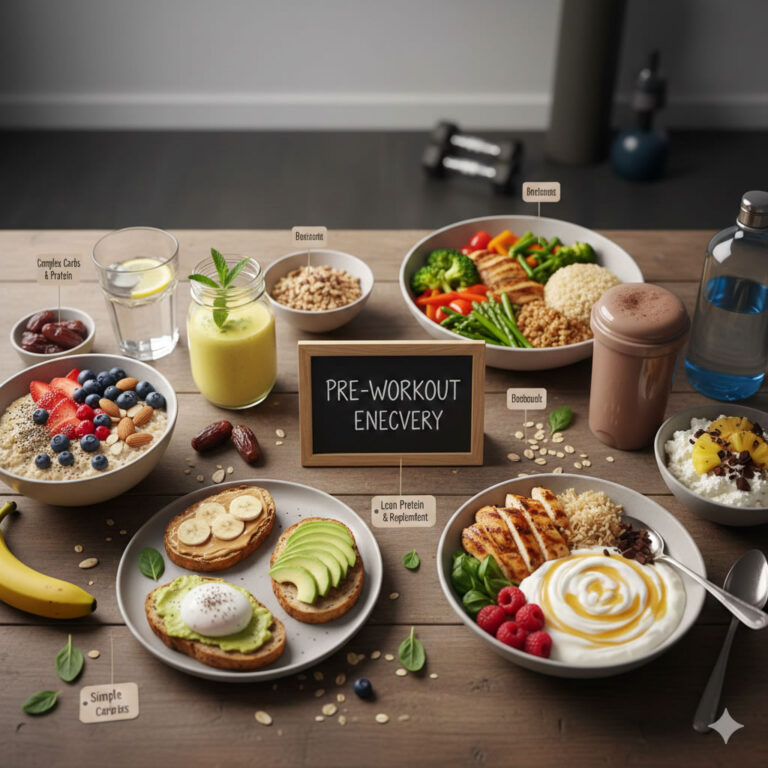
- Incorporate Dates Smartly: Add a single, chopped date to your morning oatmeal or yogurt. Use them in small amounts in energy balls (but be mindful of the overall recipe’s calorie count). Use a single date as a pre-workout energy boost.
- Be Mindful of Your Total Daily Calorie Intake: Fat loss ultimately comes down to creating a calorie deficit. If adding dates to your diet pushes you over your daily calorie limit, you will not lose fat.
Dates and Your Overall Fat Loss Strategy
It’s crucial to understand that no single food can make or break your fat loss efforts. Dates are just one piece of the puzzle. The most effective fat loss strategies are holistic and include:
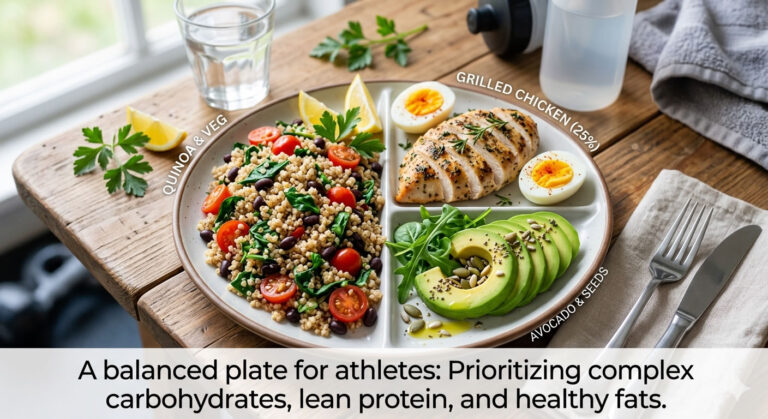
- A Balanced Diet: Focus on whole foods, including lean proteins, healthy fats, complex carbohydrates, and plenty of fruits and vegetables.
- A Calorie Deficit: Track your calorie intake and aim for a sustainable deficit.
- Regular Physical Activity: Include both strength training and cardiovascular exercise. Strength training helps build muscle, which increases your resting metabolic rate.
- Adequate Sleep: Aim for 7-9 hours of quality sleep per night. Sleep plays a significant role in regulating hormones that control appetite.
- Stress Management: Chronic stress can lead to weight gain. Practice stress-reduction techniques like meditation or yoga.
Let’s Tackle Some Common FAQs
Q: Which are better for fat loss, dried or fresh dates? A: There’s no significant difference. Dried dates are simply more concentrated in terms of sugar and calories because the water content has been removed. However, the nutritional profile is very similar. The most important thing is to manage your portion size.
Q: Can I eat dates if I’m on a low-carb diet like Keto? A: A strict Keto diet typically restricts carb intake to a very low level (usually under 50g per day). Since one single Medjool date has around 18g of carbs, just a couple would consume a significant portion of your daily allowance. For this reason, dates are not typically considered Keto-friendly. However, some lower-sugar varieties might fit into a more flexible low-carb plan.
Q: Can I eat dates as a pre-workout snack? A: Yes, they can be an excellent choice! The natural sugars provide a quick source of energy, and the potassium is important for muscle function. Just remember to keep the portion small. A single date can give you the boost you need without overloading you on calories.
Q: Do dates help reduce belly fat specifically? A: There is no single food that can target fat loss from a specific part of the body. Fat loss occurs when your entire body is in a calorie deficit. However, the high fiber content of dates can promote satiety, which can help you eat fewer calories overall, contributing to general fat loss, including from your belly area.
Final Verdict: Dates and Your Journey to Fat Loss
So, are dates good for fat loss? The answer is a qualified “yes,” but with a strong emphasis on moderation.
Dates offer a host of benefits that can support your efforts: satiety-boosting fiber, a low to medium GI, and a collection of essential nutrients and antioxidants. They are a far better choice for satisfying a sweet tooth than any processed junk food.
However, their high sugar and calorie density mean that overeating them can easily reverse any potential benefits and lead to weight gain.
Think of dates as a powerful tool in your fat loss arsenal. When used strategically and in moderation, they can provide flavor, nutrients, and a helpful dose of sweetness. But treat them without respect, and they can easily become an obstacle on your path to a healthier you.
Ultimately, successful fat loss is about building sustainable habits and focusing on a well-balanced diet. Dates can absolutely have a place in that journey, but only if they are integrated mindfully and paired with other healthy choices. Happy and healthy eating!
About The Author