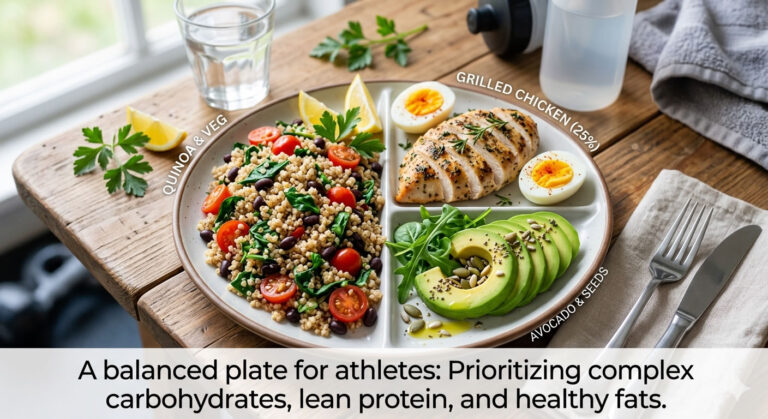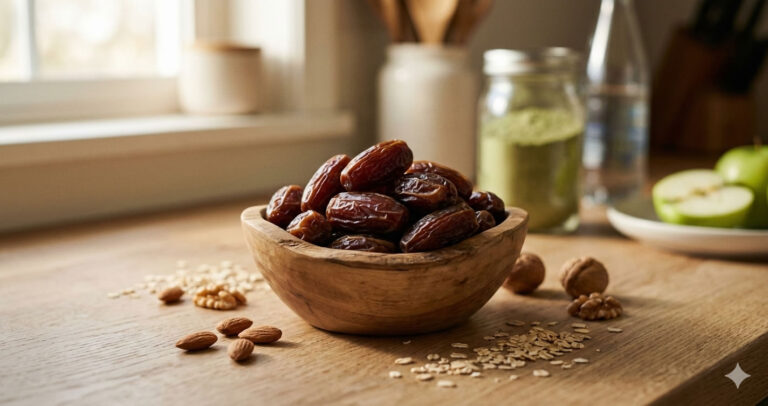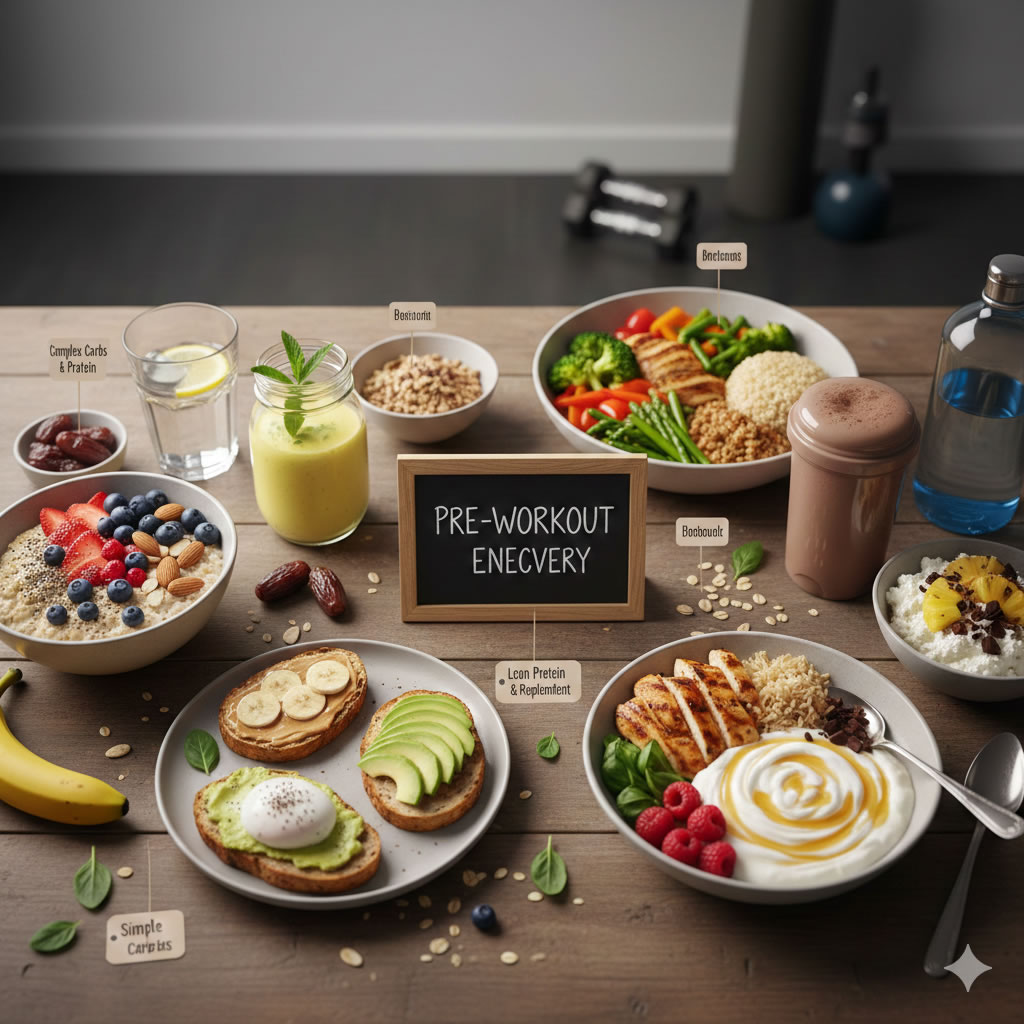
Are you serious about maximizing your workout results, boosting your energy levels, and accelerating your recovery? If so, then understanding the science behind pre and post-workout nutrition is absolutely crucial. Many people meticulously plan their exercise routines but overlook the vital role that food plays in their fitness journey. This comprehensive guide will delve deep into the “what, why, and how” of fueling your body effectively before and after your workouts, helping you unlock your full potential and achieve your fitness goals faster.
Why Does Pre and Post-Workout Nutrition Matter So Much?
Before we dive into specific food recommendations, let’s understand why what you eat around your workouts is so critical. It’s not just about feeling good; it’s about optimizing your body’s performance and recovery at a cellular level.
Pre-Workout Nutrition:
- Energy Supply: Provides the immediate fuel your muscles need to perform at their best, preventing fatigue and allowing you to sustain intensity.
- Performance Enhancement: Supports strength, endurance, and power output, helping you push harder and achieve more during your session.
- Muscle Protection: Can help minimize muscle protein breakdown during intense exercise, preserving your hard-earned muscle mass.
- Mental Focus: Adequate fuel can improve concentration and focus, making your workout more effective and safer.
Post-Workout Nutrition:
- Replenish Glycogen Stores: Restores the carbohydrates (glycogen) your muscles used as fuel during exercise, preparing them for your next session.
- Muscle Repair and Growth: Provides the amino acids necessary to repair damaged muscle fibers and stimulate new muscle protein synthesis, leading to growth (hypertrophy).
- Reduce Muscle Soreness: Can help mitigate delayed onset muscle soreness (DOMS) by facilitating faster repair.
- Hormonal Balance: Aids in regulating hormones that are crucial for recovery and adaptation.
- Immune System Support: Intense exercise can temporarily suppress the immune system; proper nutrition helps bolster it.
Ignoring these nutritional windows is like trying to drive a car with an empty fuel tank or neglecting to perform essential maintenance after a long journey. You simply won’t get the best performance or longevity.
The Science Behind the Plate: Macronutrients Explained
To truly understand pre and post-workout nutrition, you need a basic grasp of the three primary macronutrients: carbohydrates, proteins, and fats. Each plays a distinct yet interconnected role.
Carbohydrates: Your Body’s Preferred Fuel
Carbohydrates are your body’s primary and most efficient energy source. When you eat carbs, they are broken down into glucose, which is then stored in your muscles and liver as glycogen. During exercise, your body taps into these glycogen stores for energy.
- Simple Carbohydrates: Quickly digested and absorbed, providing a rapid energy boost. Often found in fruits, honey, and refined sugars.
- Complex Carbohydrates: Slowly digested and absorbed, offering a sustained release of energy. Found in whole grains, oats, brown rice, and starchy vegetables.
Protein: The Building Blocks of Muscle
Protein is essential for muscle repair, growth, and overall bodily functions. It’s made up of amino acids, some of which your body can produce (non-essential) and others that must come from your diet (essential).
- Complete Proteins: Contain all nine essential amino acids. Found in animal products like meat, poultry, fish, eggs, and dairy, as well as some plant-based sources like soy and quinoa.
- Incomplete Proteins: Lack one or more essential amino acids. Found in most plant-based foods like beans, nuts, and grains. Combining different incomplete proteins can create a complete protein profile.
Fats: Long-Term Energy and Hormonal Support
Fats are a concentrated source of energy, play a crucial role in hormone production, nutrient absorption, and provide insulation. While not the primary fuel source for intense, short-duration exercise, they are vital for longer, less intense activities and overall health.
- Saturated Fats: Found in animal products and some plant oils. Generally, consume in moderation.
- Unsaturated Fats (Monounsaturated & Polyunsaturated): Found in avocados, nuts, seeds, olive oil, and fatty fish. These are considered “healthy” fats and are beneficial for heart health.
Pre-Workout Nutrition: Fueling for Performance
The goal of your pre-workout meal is to provide readily available energy, prevent premature fatigue, and minimize muscle damage during exercise. The timing and composition of this meal will depend on your individual tolerance, the intensity of your workout, and how much time you have.
Timing is Everything
- 2-3 Hours Before: A balanced meal containing complex carbohydrates, lean protein, and a small amount of healthy fats. This allows ample time for digestion and nutrient absorption.
- Example: Grilled chicken breast with brown rice and steamed vegetables.
- Example: Oatmeal with berries, nuts, and a scoop of protein powder.
- Example: Whole-wheat toast with avocado and a poached egg.
- 30-60 Minutes Before: Focus on easily digestible carbohydrates and a small amount of protein. Avoid high-fiber foods and excessive fats to prevent digestive discomfort.
- Example: A banana or an apple.
- Example: A small fruit smoothie with a scoop of whey protein.
- Example: A handful of dried fruit.
- Example: A rice cake with a thin spread of almond butter.
What to Eat: Specific Recommendations
Carbohydrates (The Energy Source):
- Complex Carbs (for meals 2-3 hours out): Oats, brown rice, quinoa, sweet potatoes, whole-wheat bread, whole-grain pasta. These provide a sustained release of energy.
- Simple Carbs (for meals 30-60 minutes out): Bananas, apples, oranges, berries, dried fruit. These provide quick energy.
Protein (The Muscle Protector):
- Lean Protein Sources: Chicken breast, turkey, fish, eggs, Greek yogurt, cottage cheese, tofu, protein powder (whey, casein, plant-based). Aim for easily digestible options.
Fats (In Moderation Pre-Workout):
- While essential for overall health, keep fat intake low in your immediate pre-workout meal as it slows digestion. If consumed 2-3 hours out, opt for healthy fats like avocado, nuts, or olive oil.
Hydration (Often Overlooked):
- Drink plenty of water leading up to your workout. Dehydration can significantly impair performance. Aim for 16-20 ounces of water 2-3 hours before, and another 8-10 ounces 15-30 minutes before.
What to Avoid Pre-Workout:
- Excessive Fiber: Can cause digestive upset, gas, and bloating during exercise.
- High Fat Meals: Slows digestion significantly, potentially leading to sluggishness and discomfort.
- Large Meals: Can sit heavy in your stomach and divert blood flow away from your muscles for digestion.
- Novel Foods: Stick to foods you know agree with your digestive system.
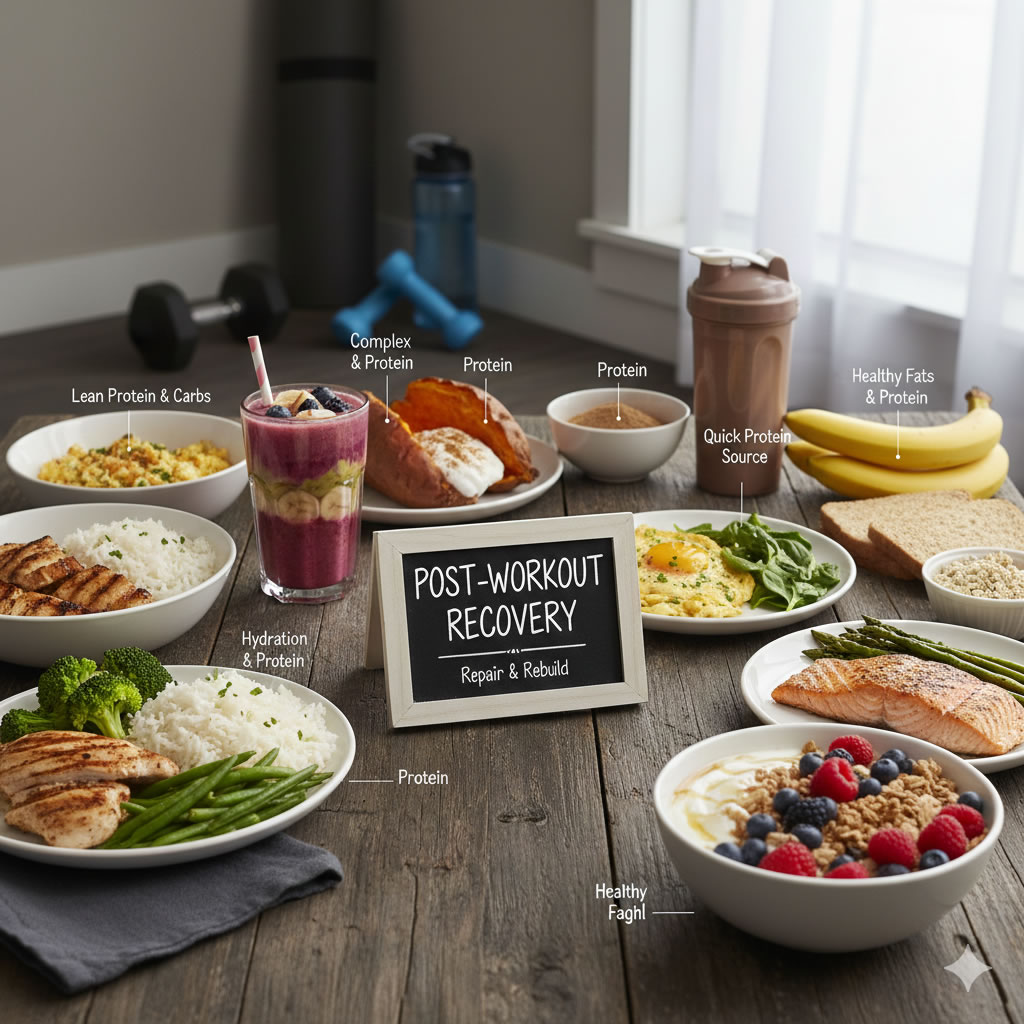
Post-Workout Nutrition: Recover, Repair, Rebuild
The post-workout window is equally critical for optimizing recovery and promoting muscle growth. After exercise, your muscles are primed to absorb nutrients, making this an ideal time to replenish glycogen stores and provide the building blocks for repair.
The “Anabolic Window”
For years, it was believed that there was a very narrow “anabolic window” (30-60 minutes post-workout) during which nutrient timing was absolutely essential. While consuming nutrients within this timeframe is beneficial, modern research suggests the window is somewhat wider, extending up to 2-3 hours after your workout. The most important thing is to consume a balanced meal within a reasonable timeframe.
What to Eat: Specific Recommendations
The ideal post-workout meal should include a combination of carbohydrates and protein.
Carbohydrates (Glycogen Replenishment):
- Focus on quickly digestible carbs to rapidly replenish glycogen stores. Options include white rice, potatoes, sweet potatoes, fruits (bananas, berries), whole-wheat bread, oats.
- Ratio: Aim for a 2:1 or 3:1 ratio of carbohydrates to protein, especially after intense or prolonged workouts.
Protein (Muscle Repair and Growth):
- Aim for 20-40 grams of high-quality protein. This provides the necessary amino acids for muscle protein synthesis.
- Sources: Whey protein (fast-absorbing), casein protein (slower-absorbing, good for longer recovery), chicken, fish, lean beef, eggs, Greek yogurt, cottage cheese, tofu, legumes.
Fats (In Moderation Post-Workout):
- Similar to pre-workout, keep fat intake relatively low in your immediate post-workout meal as it can slow nutrient absorption. However, a small amount of healthy fats is fine.
Hydration (Crucial for Recovery):
- Rehydrate with water or an electrolyte-rich beverage. Weigh yourself before and after your workout; for every pound lost, consume 16-24 ounces of fluid.
About The Author