In today’s fast-paced lifestyle, maintaining a balanced diet can be challenging. Busy schedules, stress, irregular eating habits, and limited access to fresh foods often lead to nutritional gaps. This is where vitamins and supplements play an important role in supporting overall health and wellness.
What Are Vitamins and Supplements?
Vitamins are essential nutrients that your body needs in small amounts to function properly. They help support immunity, energy production, bone health, and overall growth. Supplements include vitamins, minerals, herbs, amino acids, and other substances designed to complement your daily diet.
While whole foods should always be your primary source of nutrition, supplements can help bridge the gap when your diet falls short.
Why Are Vitamins Important?
Each vitamin has a specific role in keeping your body healthy:
- Vitamin A supports vision and skin health
- Vitamin B-complex helps with energy metabolism and brain function
- Vitamin C boosts immunity and promotes healing
- Vitamin D strengthens bones and supports muscle function
- Vitamin E acts as an antioxidant
- Vitamin K helps with blood clotting and bone health
Deficiencies in these vitamins may lead to fatigue, weak immunity, poor bone strength, and other health issues.
Commonly Used Supplements
Some supplements are more commonly used due to widespread deficiencies or lifestyle needs:
- Multivitamins – Provide overall nutritional support
- Protein Supplements – Help with muscle recovery and growth
- Omega-3 Fatty Acids – Support heart and brain health
- Calcium & Magnesium – Essential for bones and muscles
- Iron – Important for oxygen transport in the blood
Fitness enthusiasts, athletes, elderly individuals, and people with dietary restrictions often benefit the most from supplements.
Do You Really Need Supplements?
Not everyone needs supplements. If you eat a balanced diet rich in fruits, vegetables, whole grains, lean proteins, and healthy fats, you may already be meeting your nutritional needs. However, supplements can be helpful if:
- You have a diagnosed deficiency
- You follow a vegetarian or vegan diet
- You have increased physical activity levels
- You have limited sun exposure (Vitamin D)
- You are recovering from illness or injury
It’s always recommended to consult a healthcare professional before starting any supplement.
Supplements and Fitness
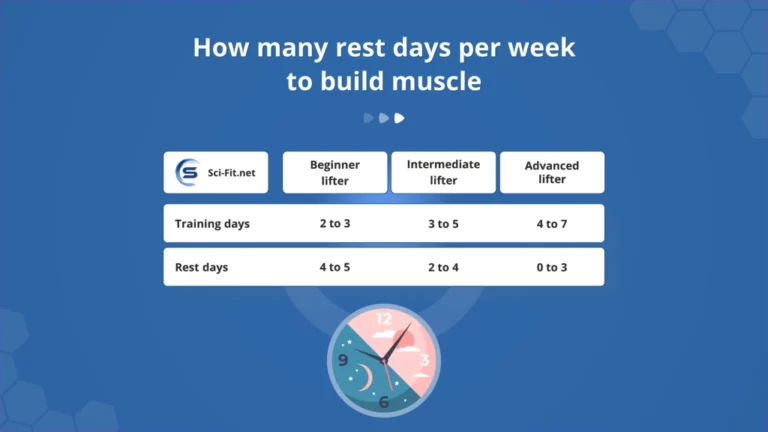
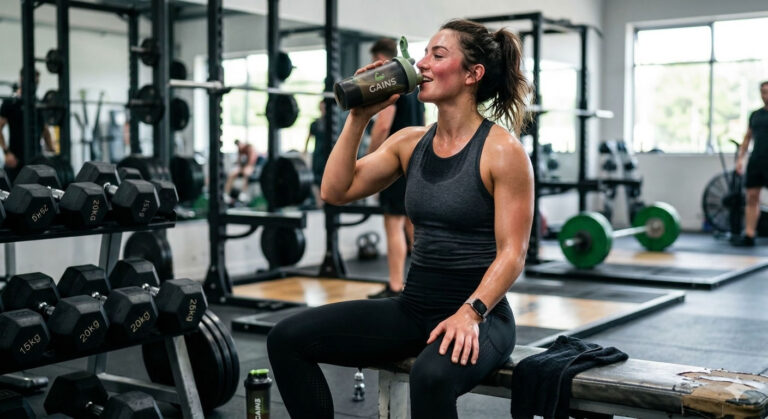
For those following a fitness routine, supplements can enhance performance and recovery when used correctly. Protein powders, creatine, and amino acids may support muscle repair, strength, and endurance. However, supplements are not magic solutions—they work best alongside proper training, nutrition, and rest.
Important Safety Tips
- Do not exceed recommended dosages
- Choose high-quality, trusted brands
- Avoid mixing multiple supplements without guidance
- Remember: supplements support health, they don’t replace food
Final Thoughts
Vitamins and supplements can be valuable tools for maintaining good health, especially when used wisely. Focus on a nutrient-rich diet first, maintain an active lifestyle, and use supplements only when necessary. Consistency, balance, and informed choices are the real keys to long-term wellness.
Stay healthy, stay active, and fuel your body the right way. 💪
— FitWithSonu.online
About The Author