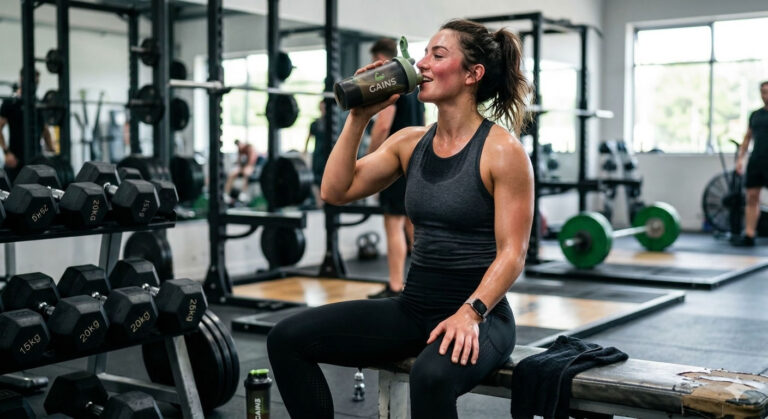
Hydration is one of the most overlooked yet most powerful factors in achieving fitness goals. Whether your aim is weight loss, muscle gain, endurance, or overall health, staying properly hydrated can significantly impact your performance, recovery, and long-term results. Many people focus intensely on workout routines and nutrition plans but underestimate how vital water is to the body’s ability to function optimally.
What Is Hydration and Why Is It Important?
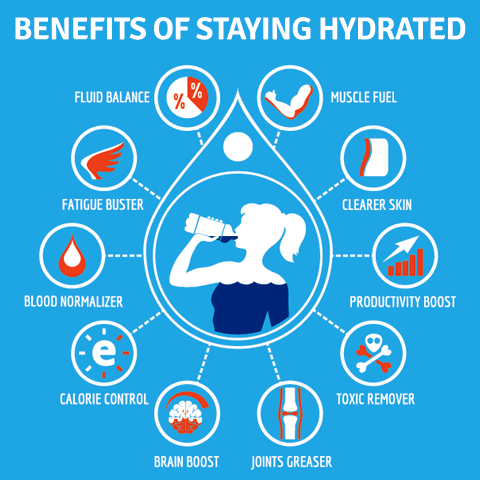
Hydration refers to the process of supplying your body with adequate fluids to maintain normal physiological functions. Since the human body is made up of approximately 60% water, every system—muscles, joints, brain, heart, and digestive system—depends on it.
In fitness, hydration plays a central role in:
- Regulating body temperature
- Transporting nutrients to muscles
- Lubricating joints
- Supporting muscle contractions
- Removing waste products
Without proper hydration, even the best workout plan can fail to deliver results.
The Connection Between Hydration and Fitness Performance
When you exercise, your body loses water through sweat and breathing. This loss must be replaced to maintain balance. Even mild dehydration (1–2% of body weight) can negatively affect physical performance.
How Hydration Enhances Fitness Performance
- Improves strength and power output
- Enhances endurance and stamina
- Reduces muscle fatigue
- Improves focus and coordination
- Supports faster recovery
Hydration is not just about avoiding thirst—it’s about maintaining optimal internal conditions for peak physical output.
Effects of Dehydration on the Body During Exercise
Dehydration can quickly derail your fitness progress. When fluid levels drop, blood volume decreases, making it harder for the heart to pump oxygen and nutrients to working muscles.
Common Signs of Dehydration
- Fatigue and weakness
- Muscle cramps
- Dizziness or headaches
- Dry mouth and lips
- Reduced endurance
- Increased heart rate
In severe cases, dehydration can lead to heat exhaustion or heat stroke, especially during intense workouts or hot weather.
Hydration and Muscle Function
Muscles are around 75% water, making hydration essential for muscle performance and growth.
Why Muscles Need Water
- Supports muscle contractions
- Prevents cramps and stiffness
- Enhances protein synthesis
- Reduces muscle soreness
Dehydrated muscles fatigue faster and are more prone to injury. If muscle gain or strength training is your goal, hydration should be a top priority.
Hydration and Weight Loss
Hydration plays a surprisingly powerful role in weight management.
How Drinking Water Supports Fat Loss
- Boosts metabolism
- Suppresses appetite
- Reduces calorie intake
- Improves workout efficiency
- Helps break down fat (lipolysis requires water)
Often, people mistake thirst for hunger, leading to unnecessary snacking. Drinking water regularly can help control cravings and support a calorie deficit.
Hydration and Endurance Training
For runners, cyclists, swimmers, and athletes involved in long-duration workouts, hydration is non-negotiable.
Why Endurance Athletes Need Extra Hydration
- Prolonged sweating leads to fluid and electrolyte loss
- Dehydration reduces aerobic capacity
- Increases perceived exertion
- Slows reaction time
Electrolytes like sodium, potassium, and magnesium are also essential during endurance training to maintain fluid balance and nerve function.
How Much Water Do You Need for Fitness?
There is no one-size-fits-all answer, but general guidelines can help.
General Hydration Guidelines
- Men: ~3.7 liters per day
- Women: ~2.7 liters per day
Fitness-Specific Recommendations
- Before workout: 500–600 ml (2–3 hours before exercise)
- During workout: 200–300 ml every 15–20 minutes
- After workout: Replace fluids lost (weigh yourself before and after)
Factors like body weight, climate, workout intensity, and sweat rate all influence individual hydration needs.
Water vs Sports Drinks: What’s Better?
For most workouts under 60 minutes, plain water is sufficient. However, for intense or long-duration training, sports drinks can be beneficial.
When to Choose Water
- Light to moderate workouts
- Weight training
- Yoga or stretching
- Daily hydration
When to Choose Sports Drinks
- Workouts longer than 60 minutes
- High-intensity endurance training
- Heavy sweating
- Hot and humid conditions
Look for drinks with low sugar and balanced electrolytes to avoid unnecessary calories.
Best Hydration Tips for Fitness Enthusiasts
Practical Hydration Strategies
- Start your day with water
- Carry a reusable water bottle
- Set hydration reminders
- Drink water with every meal
- Monitor urine color (pale yellow is ideal)
- Include water-rich foods (fruits & vegetables)
Consistency matters more than quantity in a single sitting.
Hydration Myths You Should Stop Believing
Myth 1: “Drink only when you’re thirsty”
Thirst is a late sign of dehydration. Proactive hydration is better.
Myth 2: “More water is always better”
Overhydration can dilute electrolytes. Balance is key.
Myth 3: “Coffee and tea dehydrate you”
Moderate caffeine intake contributes to hydration.
Hydration and Recovery
Post-workout hydration is essential for recovery and muscle repair.
Benefits of Proper Post-Workout Hydration
- Reduces muscle soreness
- Speeds nutrient delivery
- Restores fluid balance
- Improves next-day performance
Pair water with protein and carbohydrates for optimal recovery.
Hydration for Different Types of Fitness Goals
Strength Training
Focus on steady hydration to maintain muscle power.
Cardio & HIIT
Replace fluids frequently due to heavy sweating.
Yoga & Mobility
Hydration supports joint lubrication and flexibility.
General Wellness
Consistent hydration improves energy and mood.
Final Thoughts: Make Hydration a Fitness Habit
Hydration is not optional—it is foundational. No supplement, workout plan, or diet can replace the benefits of proper fluid intake. Whether you’re a beginner or an experienced athlete, optimizing hydration can unlock better performance, faster recovery, and sustainable results.
Treat water as a performance tool, not an afterthought. Build hydration into your daily fitness routine, and your body will reward you with strength, endurance, and resilience.
About The Author