Muscle soreness is something almost everyone experiences at some point—whether you’re a beginner starting a new workout routine, an athlete pushing your limits, or even someone who slept in an awkward position. While sore muscles can be uncomfortable and sometimes painful, they are usually a normal part of physical activity and muscle adaptation.
In this in-depth guide, we’ll explore what muscle soreness is, why it happens, different types of muscle pain, and most importantly, effective solutions to reduce soreness and recover faster. If you’re looking for practical, science-backed ways to manage muscle soreness, this article has you covered.
What Is Muscle Soreness?
Muscle soreness refers to pain, stiffness, or tenderness in the muscles, typically occurring after physical activity or strain. It often affects the muscles that were recently used or overworked and may range from mild discomfort to significant pain that limits movement.
Muscle soreness is commonly associated with exercise, but it can also occur due to:
- Poor posture
- Sudden movements
- Repetitive strain
- Physical labor
- Prolonged inactivity followed by movement
Understanding the underlying cause is key to choosing the right solution.
Types of Muscle Soreness
1. Acute Muscle Soreness
Acute muscle soreness occurs during or immediately after physical activity. It is usually caused by the buildup of metabolic by-products such as lactic acid, reduced oxygen supply to muscles, and temporary fatigue.
Characteristics:
- Appears during or right after exercise
- Feels like burning or tightness
- Usually fades within a few hours
2. Delayed Onset Muscle Soreness (DOMS)
Delayed Onset Muscle Soreness, commonly known as DOMS, appears 12–48 hours after exercise and is the most common type of muscle soreness.
Characteristics:
- Peaks between 24–72 hours
- Causes stiffness, tenderness, and reduced strength
- More intense after new or high-intensity workouts
DOMS is a normal response to muscle adaptation and growth.
Main Causes of Muscle Soreness
1. Microtears in Muscle Fibers
During exercise—especially resistance training or eccentric movements—tiny microtears form in muscle fibers. These tears trigger inflammation, leading to soreness. Over time, muscles repair and become stronger.
2. Unaccustomed Physical Activity
Trying a new exercise, increasing workout intensity, or returning after a long break can overload muscles that aren’t used to the movement, resulting in soreness.
3. Eccentric Muscle Contractions
Eccentric contractions occur when a muscle lengthens under tension, such as lowering weights or running downhill. These movements place greater stress on muscles and are a major contributor to DOMS.
4. Poor Warm-Up or Cool-Down
Skipping warm-up exercises reduces blood flow and flexibility, making muscles more prone to strain. Similarly, failing to cool down can slow recovery.
5. Dehydration and Electrolyte Imbalance
Muscles rely on fluids and electrolytes to function properly. Dehydration can increase muscle fatigue, cramps, and soreness.
6. Poor Posture and Ergonomics
Long hours of sitting, improper workstation setup, or bad posture can cause chronic muscle tension and soreness, especially in the neck, shoulders, and lower back.
Common Symptoms of Muscle Soreness
- Muscle pain or tenderness
- Stiffness and reduced range of motion
- Swelling or mild inflammation
- Temporary loss of strength
- Discomfort when moving or stretching
These symptoms usually resolve on their own within a few days.
Effective Solutions for Muscle Soreness
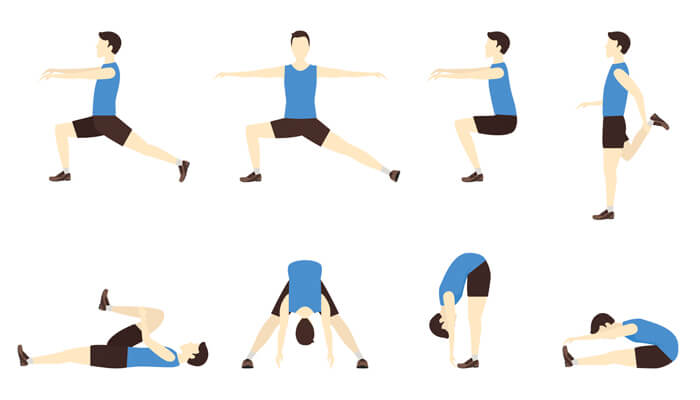
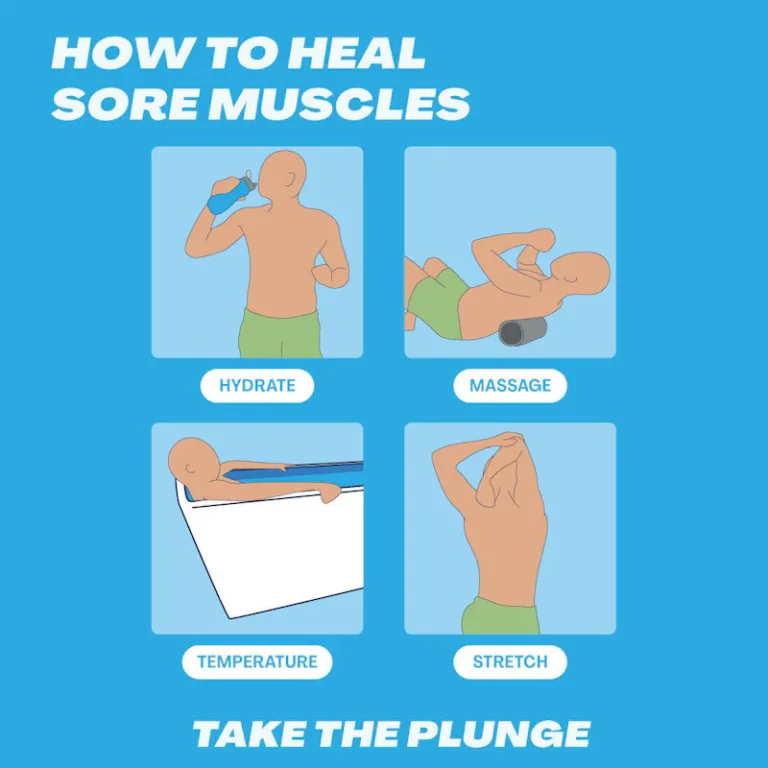
1. Gentle Stretching
Light stretching helps improve blood flow, reduce stiffness, and maintain flexibility. Avoid aggressive stretching when muscles are very sore.
Best practices:
- Stretch after warming up
- Hold stretches for 20–30 seconds
- Avoid bouncing or forcing movements
2. Active Recovery
Instead of complete rest, low-intensity activity can speed up recovery by increasing circulation.
Examples include:
- Walking
- Light cycling
- Swimming
- Yoga or mobility work
Active recovery helps flush out metabolic waste and reduces stiffness.
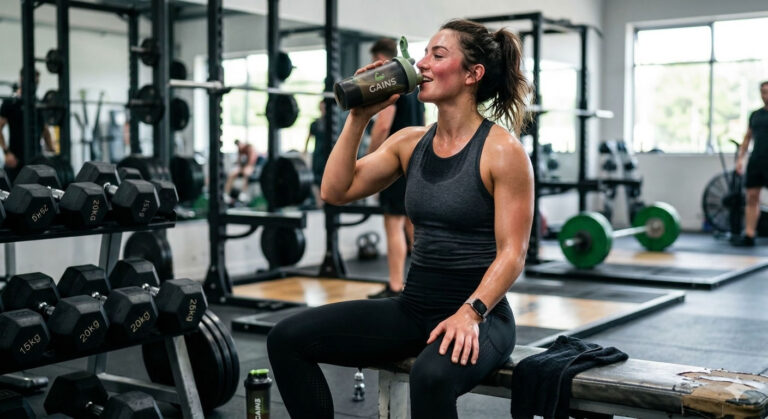
3. Proper Hydration
Drinking enough water supports muscle function and repair. Include electrolytes if you sweat heavily or exercise intensely.
Hydration tips:
- Drink water throughout the day
- Include potassium, sodium, and magnesium
- Avoid excessive caffeine and alcohol
4. Nutrition for Muscle Recovery
Food plays a critical role in reducing muscle soreness and promoting recovery.
Key nutrients:
- Protein: Supports muscle repair (eggs, lean meat, legumes)
- Carbohydrates: Replenish energy stores
- Omega-3 fatty acids: Reduce inflammation
- Antioxidants: Help fight oxidative stress
Eating a balanced post-workout meal within 1–2 hours can significantly reduce soreness.
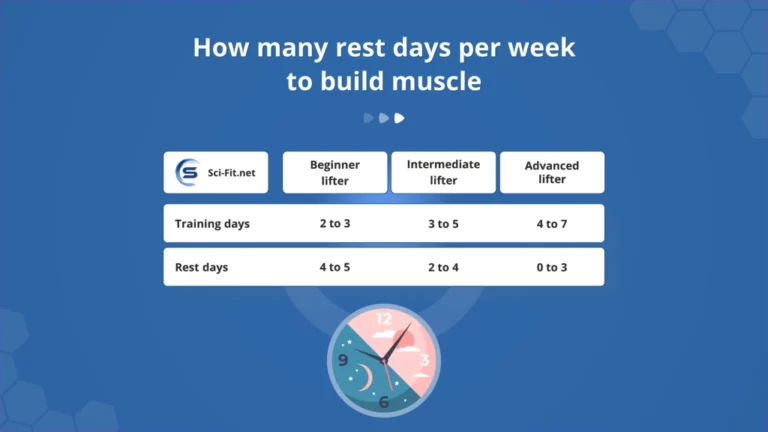
5. Adequate Rest and Sleep
Muscles repair and grow during rest, especially while sleeping. Poor sleep can delay recovery and increase soreness.
Sleep tips:
- Aim for 7–9 hours of sleep
- Maintain a consistent sleep schedule
- Avoid screens before bedtime
6. Heat and Cold Therapy
- Cold therapy (ice packs): Reduces inflammation and numbs pain
- Heat therapy: Improves blood flow and relaxes tight muscles
Use cold therapy within the first 24 hours and heat afterward for stiffness.
7. Foam Rolling and Self-Massage
Foam rolling helps release muscle tension and improves mobility by targeting trigger points.
Benefits include:
- Reduced muscle tightness
- Improved circulation
- Faster recovery
Roll slowly and avoid excessive pressure on painful areas.
8. Gradual Progression in Training
To prevent excessive soreness:
- Increase intensity gradually
- Follow proper form
- Allow adequate recovery between workouts
Consistency matters more than intensity.
When Muscle Soreness Is Not Normal
While most muscle soreness is harmless, seek medical attention if you experience:
- Severe pain lasting more than a week
- Swelling with dark urine
- Sharp or sudden pain
- Loss of muscle function
These could indicate muscle strains, tears, or other medical conditions.
Preventing Muscle Soreness in the Future
- Always warm up before exercise
- Cool down and stretch afterward
- Stay hydrated
- Eat balanced meals
- Listen to your body and rest when needed
Prevention is always better than recovery.
Final Thoughts
Muscle soreness is a natural response to physical activity and often a sign that your muscles are adapting and getting stronger. While it can be uncomfortable, the right combination of proper nutrition, hydration, rest, and recovery techniques can significantly reduce soreness and help you bounce back faster.
By understanding the causes of muscle soreness and applying these proven solutions, you can stay consistent with your workouts, avoid injury, and maintain long-term physical health.
About The Author