Many people start their workout in a hurry and finish it just as quickly. They jump straight into exercises and leave the moment the workout ends. Unfortunately, this habit often leads to muscle pain, stiffness, poor performance, and injuries.
This is where warm-up and cool-down exercises become extremely important.
Warm-up prepares your body for exercise, while cool-down helps your body recover after it. Both are essential parts of a safe and effective fitness routine, whether you are a beginner or an experienced fitness enthusiast.
In this article, you’ll learn what warm-up and cool-down exercises are, why they matter, their benefits, examples, and how to do them correctly for better fitness results and injury prevention.
What Is a Warm-Up Exercise?
A warm-up is a set of light movements done before a workout to gradually prepare your body for physical activity.
Warm-up exercises:
- Increase body temperature
- Improve blood flow to muscles
- Prepare joints and muscles
- Activate the nervous system
A proper warm-up usually lasts 5–10 minutes.
What Is a Cool-Down Exercise?
A cool-down is a phase of low-intensity movements and stretches done after a workout to help your body return to its normal state.
Cool-down exercises:
- Slow down heart rate
- Relax muscles
- Reduce soreness
- Improve flexibility
A good cool-down takes 5–10 minutes and focuses on breathing and stretching.
Why Warm-Up and Cool-Down Are Important in Fitness

Skipping warm-up and cool-down may save time, but it increases the risk of:
- Muscle strains
- Joint pain
- Poor workout performance
- Delayed recovery
- Long-term injuries
Including these phases helps you train smarter, not harder.
Benefits of Warm-Up Exercises
1. Reduces Risk of Injury
Warm-up gradually prepares muscles and joints, reducing the chances of:
- Muscle pulls
- Ligament injuries
- Joint stress
Cold muscles are more likely to get injured than warm ones.
2. Improves Workout Performance
When your body is warmed up:
- Muscles move more efficiently
- Strength and power increase
- Coordination improves
This helps you perform exercises with better form and control.
3. Increases Flexibility and Mobility
Warm-up improves joint movement and muscle elasticity, allowing a greater range of motion during workouts.
4. Activates Mind-Muscle Connection
Warm-up helps your brain connect better with muscles, improving focus and workout awareness.
5. Improves Blood Circulation
Warm-up increases blood flow, delivering more oxygen and nutrients to muscles, which improves endurance and reduces fatigue.
Common Warm-Up Exercises (Examples)
Full-Body Warm-Up Routine (5–10 Minutes)
- Neck rotations
- Arm circles
- Shoulder rolls
- Jumping jacks
- High knees
- Leg swings
- Hip circles
These dynamic movements prepare the entire body for exercise.
Types of Warm-Up Exercises
1. General Warm-Up
Light cardio like:
- Walking
- Jogging
- Skipping
Used to raise heart rate and body temperature.
2. Dynamic Stretching
Controlled movements such as:
- Lunges with twist
- Arm swings
- Bodyweight squats
Best for improving mobility before workouts.
3. Sport-Specific Warm-Up
Movements related to the workout:
- Light squats before leg day
- Push-ups before upper body training
This prepares specific muscle groups.
Benefits of Cool-Down Exercises
1. Reduces Muscle Soreness
Cool-down helps remove waste products like lactic acid from muscles, reducing post-workout soreness.
2. Prevents Dizziness and Fatigue
Suddenly stopping intense exercise can cause dizziness. Cool-down gradually lowers heart rate and blood pressure safely.
3. Improves Flexibility
Stretching during cool-down helps muscles relax and lengthen, improving overall flexibility.
4. Promotes Faster Recovery
Proper cool-down:
- Speeds muscle repair
- Reduces stiffness
- Helps you feel fresh the next day
5. Supports Mental Relaxation
Slow breathing and stretching calm the nervous system and reduce stress after workouts.
Common Cool-Down Exercises (Examples)
Simple Cool-Down Routine (5–10 Minutes)
- Slow walking
- Deep breathing
- Hamstring stretch
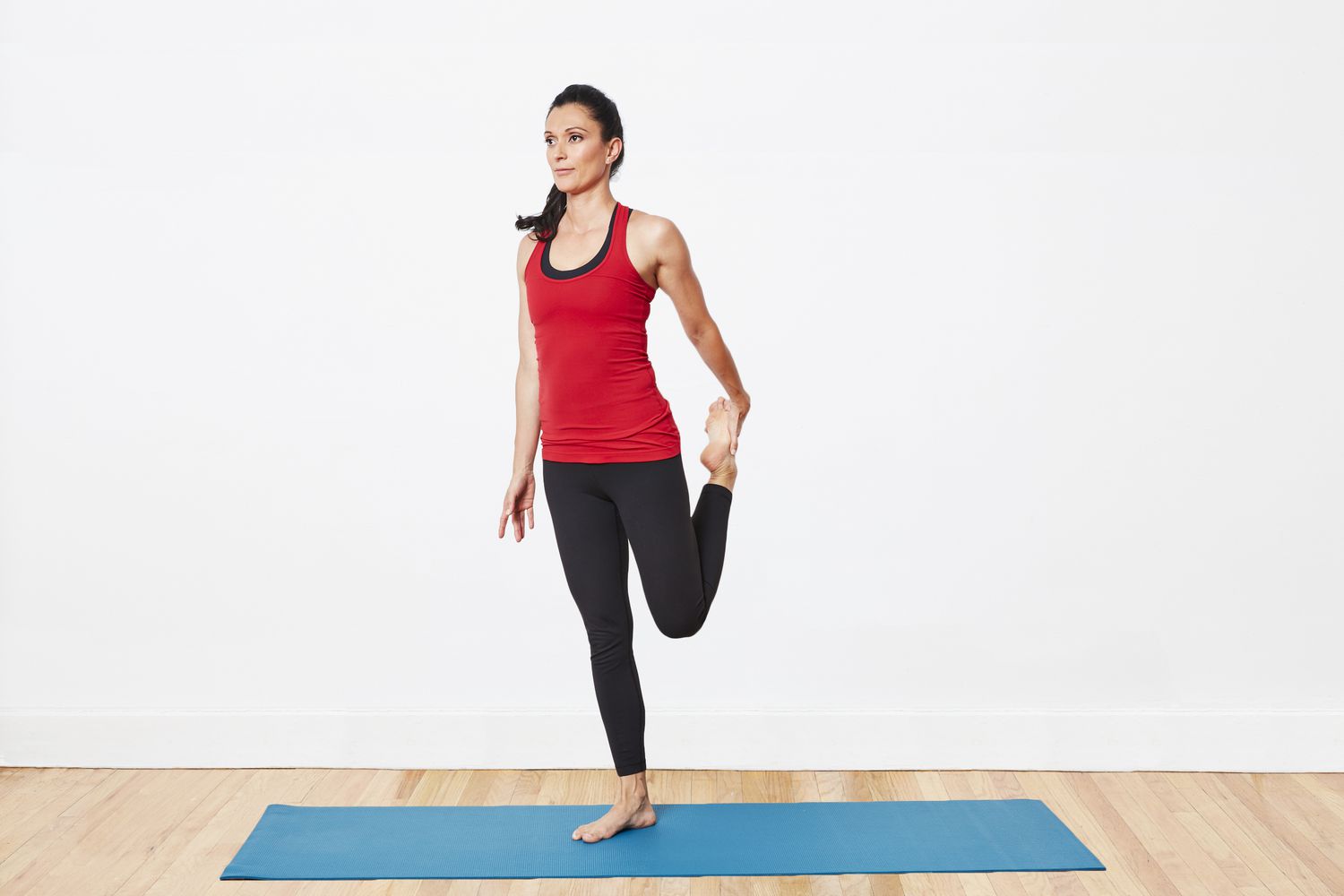
- Quadriceps stretch
- Calf stretch
- Shoulder stretch
- Child’s pose
Hold each stretch for 20–30 seconds without bouncing.
Warm-Up vs Cool-Down: Key Differences
| Warm-Up | Cool-Down |
|---|---|
| Done before workout | Done after workout |
| Increases heart rate | Gradually lowers heart rate |
| Uses dynamic movements | Uses static stretches |
| Prepares muscles | Relaxes muscles |
| Prevents injury | Improves recovery |
Both are equally important for fitness success.
Warm-Up and Cool-Down for Beginners
Beginners often feel soreness and fatigue quickly. Warm-up and cool-down help beginners by:
- Reducing muscle pain
- Improving confidence
- Preventing early injuries
- Making workouts enjoyable
Starting with proper recovery builds long-term fitness habits.
Warm-Up and Cool-Down for Home Workouts
Even short home workouts require warm-up and cool-down.
Before home workout:
- 5 minutes of dynamic warm-up
After home workout:
- 5 minutes of stretching and breathing
No equipment needed—just consistency.
Common Myths About Warm-Up and Cool-Down
❌ “Warm-up is only for intense workouts”
✔ Every workout needs a warm-up
❌ “Stretching before workout is best”
✔ Dynamic stretching before, static stretching after
❌ “Cool-down is optional”
✔ Cool-down is essential for recovery
How Often Should You Do Warm-Up and Cool-Down?
- Before every workout → Warm-up
- After every workout → Cool-down
Whether it’s cardio, strength training, yoga, or HIIT—never skip these steps.
Tips to Make Warm-Up and Cool-Down a Habit
- Treat them as part of the workout
- Set a timer
- Follow a fixed routine
- Play calming music
- Focus on breathing
Small habits lead to long-term fitness success.
Long-Term Benefits of Proper Warm-Up and Cool-Down
People who follow proper warm-up and cool-down:
- Stay injury-free
- Recover faster
- Perform better
- Enjoy workouts more
- Maintain fitness consistency
This is the secret to sustainable fitness.
Final Thoughts
Warm-up and cool-down exercises are not optional extras—they are essential pillars of a safe and effective fitness routine.
If you want:
- Better performance
- Fewer injuries
- Faster recovery
- Long-term fitness results
Start giving warm-up and cool-down the importance they deserve.
Train smart. Move safely. Recover well.
About The Author