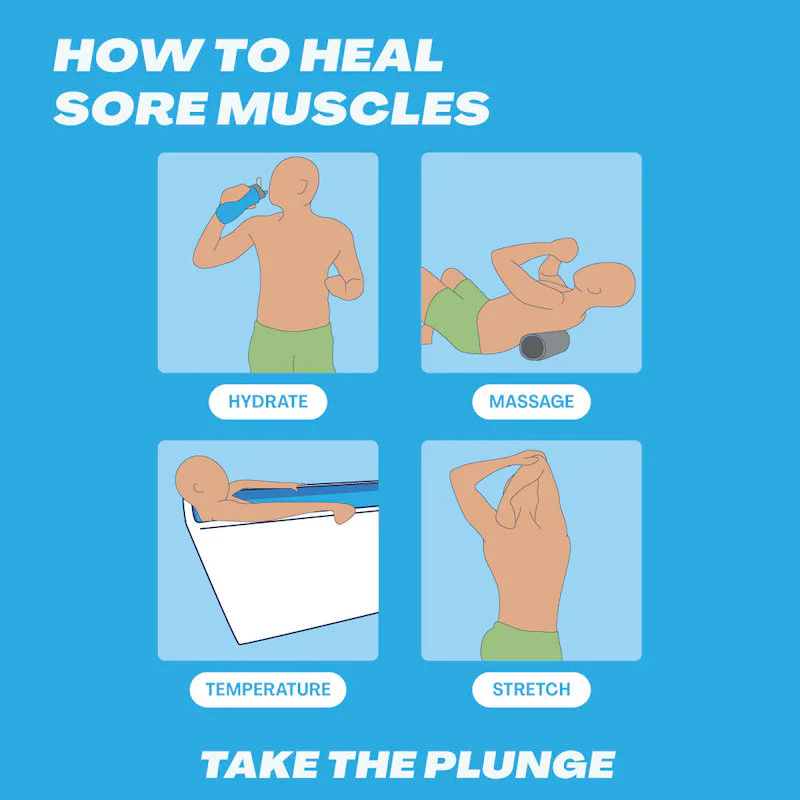
Most people focus heavily on workouts—but real fitness progress happens after the workout, during recovery. Whether your goal is fat loss, muscle gain, or overall fitness, post-workout recovery is just as important as training itself.
Ignoring recovery can lead to:
- Muscle soreness
- Fatigue
- Injuries
- Slow progress
- Burnout
In this complete guide, you’ll learn post-workout recovery tips in simple words, why recovery matters, and how to recover faster so your workouts actually give results.
What Is Post-Workout Recovery?
Post-workout recovery is the process your body goes through after exercise to:
- Repair muscles
- Refill energy stores
- Reduce soreness
- Prepare for the next workout
Exercise creates stress and tiny muscle damage. Recovery is when your body rebuilds stronger.
👉 You don’t get stronger during workouts—you get stronger during recovery.
Why Post-Workout Recovery Is Important
Good recovery helps you:
- Improve muscle growth
- Reduce muscle soreness
- Prevent injuries
- Maintain energy levels
- Stay consistent long-term
Poor recovery leads to fatigue and stalled progress—even if your workouts are perfect.
1. Cool Down After Every Workout (Never Skip)
Many people finish workouts and stop immediately—but that’s a mistake.
Why Cool-Down Matters
- Gradually lowers heart rate
- Prevents dizziness
- Reduces muscle tightness
- Improves flexibility
Simple Cool-Down (5–10 Minutes)
- Slow walking or marching
- Deep breathing
- Gentle stretching
Cooling down helps your body shift from “work mode” to “recovery mode.”
2. Stretching After Workout (Key Recovery Habit)
Stretching is one of the most effective post-workout recovery tools.
Benefits of Post-Workout Stretching
- Reduces muscle stiffness
- Improves flexibility
- Prevents injuries
- Relieves soreness
Best Muscles to Stretch
- Hamstrings
- Quads
- Calves
- Chest and shoulders
- Back and hips
Stretch slowly and hold each stretch for 20–30 seconds.
3. Post-Workout Nutrition (Fuel Your Recovery)
What you eat after a workout directly affects recovery speed.
Why Post-Workout Nutrition Matters
- Repairs muscle fibers
- Restores energy (glycogen)
- Reduces muscle breakdown
Protein After Workout (Most Important)
Protein helps repair and rebuild muscles.
Best Natural Protein Options
- Eggs
- Paneer or tofu
- Milk or curd
- Dal or legumes
- Chicken or fish
Aim to eat protein within 30–60 minutes after exercise.
Carbohydrates After Workout
Carbs help refill energy stores used during workouts.
Healthy Carb Sources
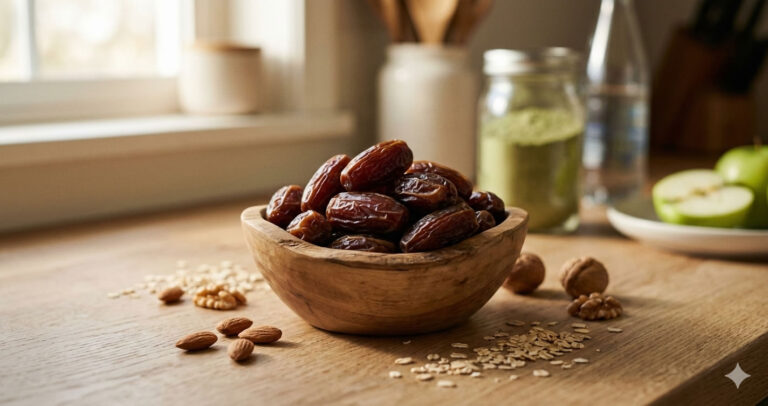
- Fruits
- Rice or roti
- Oats
- Potatoes
Protein + carbs together speed up recovery.
4. Hydration After Workout (Often Ignored)
You lose water and electrolytes through sweat.
Why Hydration Is Crucial
- Prevents cramps
- Reduces fatigue
- Improves muscle recovery
Hydration Tips
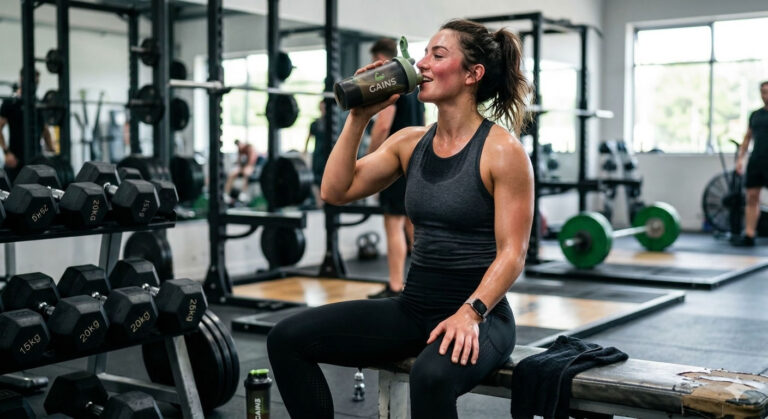
- Drink water immediately after workouts
- Sip water regularly throughout the day
- Coconut water is a good natural option
Aim for 2.5–3 liters of water daily, more if you sweat heavily.
5. Sleep: The Ultimate Recovery Tool
Sleep is the most powerful recovery method—yet the most neglected.
Why Sleep Is Critical
- Muscle repair happens during sleep
- Hormones balance during sleep
- Energy levels restore
Poor sleep = poor recovery = poor results.
Sleep Tips for Better Recovery
- Sleep 7–9 hours daily
- Avoid screens before bed
- Keep sleep timing consistent
👉 One night of poor sleep can reduce workout performance significantly.
6. Rest Days Are Not Laziness
Many people think training every day gives faster results—it doesn’t.
Why Rest Days Matter
- Prevent overtraining
- Reduce injury risk
- Improve muscle growth
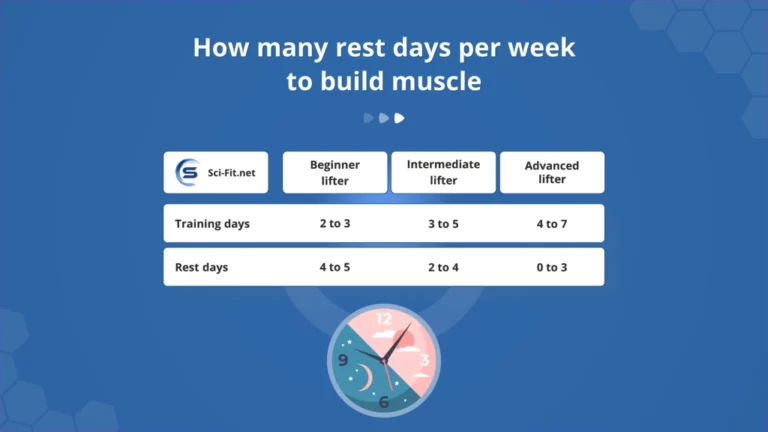
How Many Rest Days Do You Need?
- Beginners: 2 rest days/week
- Intermediate: 1–2 rest days/week
Rest days can include:
- Light walking
- Stretching
- Yoga
This is called active recovery.
7. Foam Rolling & Self-Massage (Optional but Helpful)
Foam rolling helps relax tight muscles.
Benefits of Foam Rolling
- Improves blood flow
- Reduces muscle soreness
- Increases flexibility
You can use:
- Foam roller
- Massage ball
- Even gentle self-massage
Spend 5–10 minutes after workouts or on rest days.
8. Manage Muscle Soreness (DOMS)
DOMS = Delayed Onset Muscle Soreness
It usually appears 24–48 hours after exercise.
How to Reduce Muscle Soreness
- Stretch regularly
- Stay hydrated
- Eat enough protein
- Sleep well
- Light movement instead of complete rest
Soreness is normal—but extreme pain is not.
9. Avoid Overtraining (Common Mistake)
Signs of overtraining:
- Constant fatigue
- Poor sleep
- Decreased performance
- Frequent injuries
- Loss of motivation
How to Avoid Overtraining
- Follow a structured plan
- Take rest days seriously
- Listen to your body
More workouts ≠ better results.
10. Recovery Tips for Home Workouts
Even home workouts require recovery.
Simple Home Recovery Routine
- 5 minutes cool-down
- 10 minutes stretching
- Protein-rich meal
- Hydration
- Good sleep
Home workouts don’t mean lower recovery needs.
11. Recovery for Cardio vs Strength Training
After Cardio
- Focus on hydration
- Light stretching
- Adequate carbs
After Strength Training
- Protein intake
- Muscle stretching
- Proper rest
Both need recovery—but strength training needs more muscle repair support.
12. Active Recovery Days (Smart Fitness Habit)
Active recovery keeps your body moving without stress.
Examples of Active Recovery
- Walking
- Yoga
- Light cycling
- Stretching routines
Active recovery improves circulation and reduces stiffness.
13. Post-Workout Recovery for Beginners
Beginners need more recovery than advanced athletes.
Beginner Recovery Tips
- Don’t train the same muscles daily
- Keep workouts short
- Focus on form
- Sleep well
Recovery helps beginners progress faster.
14. Nutrition Mistakes That Slow Recovery
❌ Skipping meals
❌ Low protein intake
❌ Dehydration
❌ Junk food after workouts
Your recovery is only as good as your nutrition.
15. Mental Recovery Matters Too
Mental stress affects physical recovery.
Mental Recovery Tips
- Deep breathing
- Meditation
- Light walks
- Relaxation time
A calm mind helps a strong body recover better.
Sample Post-Workout Recovery Routine
Immediately After Workout
- Cool down
- Drink water
Within 30–60 Minutes
- Protein-rich meal/snack
Later in the Day
- Stretching
- Hydration
- Good sleep
Simple but powerful.
How Long Does Recovery Take?
Recovery time depends on:
- Workout intensity
- Fitness level
- Nutrition
- Sleep quality
General Recovery Timeline
- Light workout: 24 hours
- Intense workout: 48 hours
Listen to your body.
Long-Term Benefits of Proper Recovery
Good recovery helps you:
- Build muscle faster
- Lose fat safely
- Avoid injuries
- Stay consistent
- Enjoy fitness
Recovery turns effort into results.
Common Recovery Myths
Myth: Pain means progress
✔ Progress comes from recovery
Myth: Rest days waste time
✔ Rest days build strength
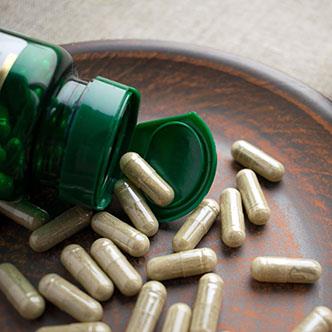
Myth: Supplements replace recovery
✔ Lifestyle matters more
Final Thoughts
Training breaks your body down—recovery builds it back stronger.
If you want real fitness results, stop ignoring post-workout recovery. Eat well, hydrate, stretch, sleep, and rest properly. These habits don’t require extra effort—but they multiply your results.
👉 Remember:
Workout hard. Recover smarter. Stay consistent.
Your body will thank you with better performance, faster progress, and long-term health. 💪
Most people focus heavily on workouts—but real fitness progress happens after the workout, during recovery. Whether your goal is fat loss, muscle gain, or overall fitness, post-workout recovery is just as important as training itself.
Ignoring recovery can lead to:
- Muscle soreness
- Fatigue
- Injuries
- Slow progress
- Burnout
In this complete guide, you’ll learn post-workout recovery tips in simple words, why recovery matters, and how to recover faster so your workouts actually give results.
What Is Post-Workout Recovery?
Post-workout recovery is the process your body goes through after exercise to:
- Repair muscles
- Refill energy stores
- Reduce soreness
- Prepare for the next workout
Exercise creates stress and tiny muscle damage. Recovery is when your body rebuilds stronger.
👉 You don’t get stronger during workouts—you get stronger during recovery.
Why Post-Workout Recovery Is Important
Good recovery helps you:
- Improve muscle growth
- Reduce muscle soreness
- Prevent injuries
- Maintain energy levels
- Stay consistent long-term
Poor recovery leads to fatigue and stalled progress—even if your workouts are perfect.
1. Cool Down After Every Workout (Never Skip)
Many people finish workouts and stop immediately—but that’s a mistake.
Why Cool-Down Matters
- Gradually lowers heart rate
- Prevents dizziness
- Reduces muscle tightness
- Improves flexibility
Simple Cool-Down (5–10 Minutes)
- Slow walking or marching
- Deep breathing
- Gentle stretching
Cooling down helps your body shift from “work mode” to “recovery mode.”
2. Stretching After Workout (Key Recovery Habit)
Stretching is one of the most effective post-workout recovery tools.
Benefits of Post-Workout Stretching
- Reduces muscle stiffness
- Improves flexibility
- Prevents injuries
- Relieves soreness
Best Muscles to Stretch
- Hamstrings
- Quads
- Calves
- Chest and shoulders
- Back and hips
Stretch slowly and hold each stretch for 20–30 seconds.
3. Post-Workout Nutrition (Fuel Your Recovery)
What you eat after a workout directly affects recovery speed.
Why Post-Workout Nutrition Matters
- Repairs muscle fibers
- Restores energy (glycogen)
- Reduces muscle breakdown
Protein After Workout (Most Important)
Protein helps repair and rebuild muscles.
Best Natural Protein Options
- Eggs
- Paneer or tofu
- Milk or curd
- Dal or legumes
- Chicken or fish
Aim to eat protein within 30–60 minutes after exercise.
Carbohydrates After Workout
Carbs help refill energy stores used during workouts.
Healthy Carb Sources
- Fruits
- Rice or roti
- Oats
- Potatoes
Protein + carbs together speed up recovery.
4. Hydration After Workout (Often Ignored)
You lose water and electrolytes through sweat.
Why Hydration Is Crucial
- Prevents cramps
- Reduces fatigue
- Improves muscle recovery
Hydration Tips
- Drink water immediately after workouts
- Sip water regularly throughout the day
- Coconut water is a good natural option
Aim for 2.5–3 liters of water daily, more if you sweat heavily.
5. Sleep: The Ultimate Recovery Tool
Sleep is the most powerful recovery method—yet the most neglected.
Why Sleep Is Critical
- Muscle repair happens during sleep
- Hormones balance during sleep
- Energy levels restore
Poor sleep = poor recovery = poor results.
Sleep Tips for Better Recovery
- Sleep 7–9 hours daily
- Avoid screens before bed
- Keep sleep timing consistent
👉 One night of poor sleep can reduce workout performance significantly.
6. Rest Days Are Not Laziness
Many people think training every day gives faster results—it doesn’t.
Why Rest Days Matter
- Prevent overtraining
- Reduce injury risk
- Improve muscle growth
How Many Rest Days Do You Need?
- Beginners: 2 rest days/week
- Intermediate: 1–2 rest days/week
Rest days can include:
- Light walking
- Stretching
- Yoga
This is called active recovery.
7. Foam Rolling & Self-Massage (Optional but Helpful)
Foam rolling helps relax tight muscles.
Benefits of Foam Rolling
- Improves blood flow
- Reduces muscle soreness
- Increases flexibility
You can use:
- Foam roller
- Massage ball
- Even gentle self-massage
Spend 5–10 minutes after workouts or on rest days.
8. Manage Muscle Soreness (DOMS)
DOMS = Delayed Onset Muscle Soreness
It usually appears 24–48 hours after exercise.
How to Reduce Muscle Soreness
- Stretch regularly
- Stay hydrated
- Eat enough protein
- Sleep well
- Light movement instead of complete rest
Soreness is normal—but extreme pain is not.
9. Avoid Overtraining (Common Mistake)
Signs of overtraining:
- Constant fatigue
- Poor sleep
- Decreased performance
- Frequent injuries
- Loss of motivation
How to Avoid Overtraining
- Follow a structured plan
- Take rest days seriously
- Listen to your body
More workouts ≠ better results.
10. Recovery Tips for Home Workouts
Even home workouts require recovery.
Simple Home Recovery Routine
- 5 minutes cool-down
- 10 minutes stretching
- Protein-rich meal
- Hydration
- Good sleep
Home workouts don’t mean lower recovery needs.
11. Recovery for Cardio vs Strength Training
After Cardio
- Focus on hydration
- Light stretching
- Adequate carbs
After Strength Training
- Protein intake
- Muscle stretching
- Proper rest
Both need recovery—but strength training needs more muscle repair support.
12. Active Recovery Days (Smart Fitness Habit)
Active recovery keeps your body moving without stress.
Examples of Active Recovery
- Walking
- Yoga
- Light cycling
- Stretching routines
Active recovery improves circulation and reduces stiffness.
13. Post-Workout Recovery for Beginners
Beginners need more recovery than advanced athletes.
Beginner Recovery Tips
- Don’t train the same muscles daily
- Keep workouts short
- Focus on form
- Sleep well
Recovery helps beginners progress faster.
14. Nutrition Mistakes That Slow Recovery
❌ Skipping meals
❌ Low protein intake
❌ Dehydration
❌ Junk food after workouts
Your recovery is only as good as your nutrition.
15. Mental Recovery Matters Too
Mental stress affects physical recovery.
Mental Recovery Tips
- Deep breathing
- Meditation
- Light walks
- Relaxation time
A calm mind helps a strong body recover better.
Sample Post-Workout Recovery Routine
Immediately After Workout
- Cool down
- Drink water
Within 30–60 Minutes
- Protein-rich meal/snack
Later in the Day
- Stretching
- Hydration
- Good sleep
Simple but powerful.
How Long Does Recovery Take?
Recovery time depends on:
- Workout intensity
- Fitness level
- Nutrition
- Sleep quality
General Recovery Timeline
- Light workout: 24 hours
- Intense workout: 48 hours
Listen to your body.
Long-Term Benefits of Proper Recovery
Good recovery helps you:
- Build muscle faster
- Lose fat safely
- Avoid injuries
- Stay consistent
- Enjoy fitness
Recovery turns effort into results.
Common Recovery Myths
Myth: Pain means progress
✔ Progress comes from recovery
Myth: Rest days waste time
✔ Rest days build strength
Myth: Supplements replace recovery
✔ Lifestyle matters more
Final Thoughts
Training breaks your body down—recovery builds it back stronger.
If you want real fitness results, stop ignoring post-workout recovery. Eat well, hydrate, stretch, sleep, and rest properly. These habits don’t require extra effort—but they multiply your results.
👉 Remember:
Workout hard. Recover smarter. Stay consistent.
Your body will thank you with better performance, faster progress, and long-term health. 💪
About The Author