Protein is one of the most talked-about nutrients in fitness and nutrition—and for good reason. Whether your goal is weight loss, muscle gain, better immunity, or overall health, protein plays a crucial role in your daily diet.
Yet, many people still don’t consume enough protein, especially through natural food sources. This leads to low energy, poor recovery, muscle loss, weak immunity, and slow progress in fitness goals.
In this detailed guide, you’ll understand:
- What protein really is
- Why protein is essential in daily diet
- Benefits of protein for all age groups
- How much protein you need
- Best natural protein sources
- Common protein myths
This article explains everything in simple, practical words—no complicated science.
What Is Protein? (Simple Explanation)
Protein is a macronutrient made up of amino acids, which are the building blocks of your body.
Your body uses protein to:
- Build muscles
- Repair tissues
- Produce enzymes and hormones
- Support immunity
- Maintain skin, hair, and nails
👉 In simple terms, protein helps build and repair your body every single day.
Why Protein Is Important in Daily Diet
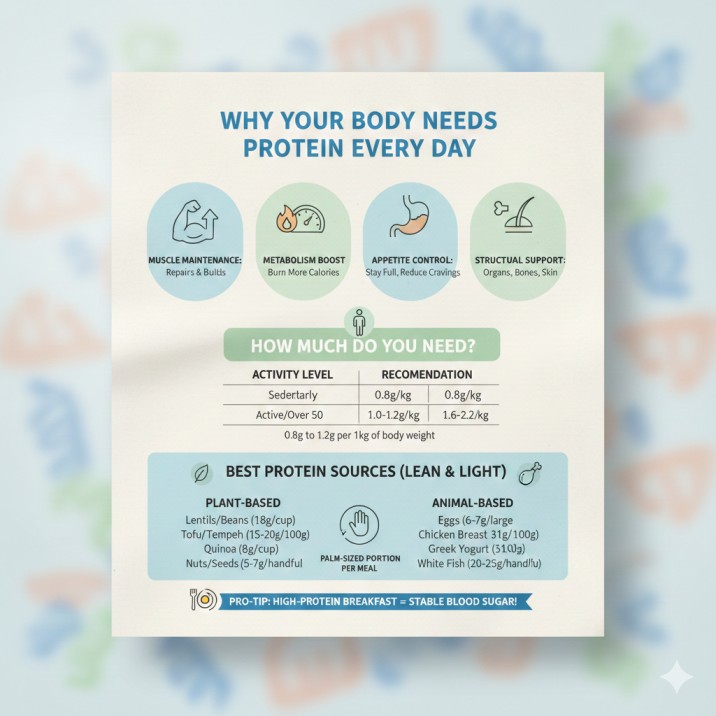
Unlike carbohydrates and fats, your body cannot store protein efficiently. That’s why it’s important to consume protein daily, not occasionally.
Key Reasons Protein Is Essential
- Repairs muscles and tissues
- Prevents muscle loss
- Supports metabolism
- Keeps you full for longer
- Improves strength and recovery
Protein is not only for bodybuilders—it’s for everyone.
Importance of Protein for Muscle Health
Muscles constantly break down and rebuild—even if you don’t work out.
Protein Helps In:
- Muscle repair after exercise
- Maintaining lean muscle mass
- Preventing muscle loss with age
Without enough protein, your body may break down muscle tissue, leading to weakness and fatigue.
Protein and Weight Loss (Strong Connection)
Protein plays a powerful role in weight management.
How Protein Helps Weight Loss
- Keeps you full for longer
- Reduces hunger and cravings
- Prevents overeating
- Preserves muscle during fat loss
High-protein diets help you lose fat, not muscle.
👉 Protein doesn’t make you bulky—it makes you leaner.
Protein and Metabolism
Protein has a high thermic effect, meaning:
- Your body burns more calories digesting protein compared to carbs or fats
This boosts metabolism slightly and supports long-term weight control.
Importance of Protein for Energy Levels
Low protein intake can cause:
- Constant tiredness
- Low stamina
- Weakness
Protein stabilizes blood sugar levels and prevents energy crashes—especially important for active people and desk-job workers.
Protein for Immunity and Recovery
Protein is essential for:
- Building antibodies
- Repairing damaged cells
- Healing wounds
- Fighting infections
Low protein intake can weaken immunity and slow recovery.
Importance of Protein for Skin, Hair & Nails
Protein is a major component of:
- Hair (keratin)
- Skin
- Nails
Protein deficiency may lead to:
- Hair fall
- Weak nails
- Dull skin
Good nutrition reflects on your appearance.
Protein Is Important for All Age Groups
Protein for Children & Teens
- Supports growth and development
- Builds strong muscles and bones
Protein for Adults
- Maintains muscle mass
- Supports active lifestyle
Protein for Older Adults
- Prevents muscle loss (sarcopenia)
- Improves strength and mobility
👉 Protein becomes more important with age, not less.
How Much Protein Do You Need Daily?
Protein needs vary based on age, activity, and goals.
General Protein Guidelines
- Sedentary adults: 0.8 g per kg body weight
- Active individuals: 1.0–1.2 g per kg
- Fitness enthusiasts: 1.2–1.6 g per kg
Example:
A 60 kg active person needs around 60–75 g protein per day.
Best Natural Protein Sources (Vegetarian & Non-Vegetarian)
Vegetarian Protein Sources
- Dal and legumes
- Chickpeas and rajma
- Paneer and tofu
- Milk and curd
- Nuts and seeds
- Soybeans
Non-Vegetarian Protein Sources
- Eggs
- Chicken
- Fish
- Lean meat
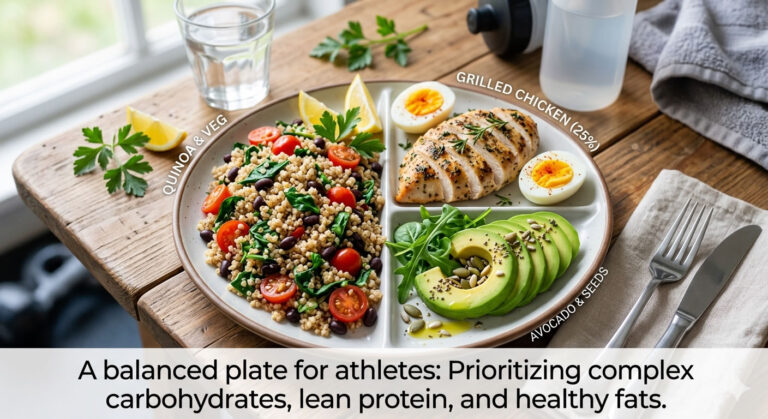
You don’t need supplements if your diet is balanced.
Importance of Protein at Every Meal
Spreading protein intake throughout the day is more effective than eating it all at once.
Protein Distribution Example
- Breakfast: Eggs / milk / paneer
- Lunch: Dal / chicken / tofu
- Snacks: Nuts / curd
- Dinner: Protein + vegetables
This supports steady muscle repair and energy.
Protein and Exercise Recovery
After workouts, muscles need protein to recover.
Benefits Post-Workout Protein
- Reduces muscle soreness
- Improves recovery
- Supports muscle growth
This applies to:
- Strength training
- Cardio
- Yoga
- Walking
Protein Without Supplements (Yes, It’s Possible)
Many people believe protein powder is mandatory—but it’s not.
Food First Approach
- Whole foods provide fiber, vitamins, and minerals
- Better digestion and satiety
- Safer long-term
Protein supplements are optional—not essential.
Common Protein Myths (Busted)
Myth 1: Protein Is Only for Gym People
❌ False. Everyone needs protein.
Myth 2: Protein Damages Kidneys
❌ False for healthy individuals.
Myth 3: High Protein Causes Weight Gain
❌ Excess calories cause weight gain, not protein.
Myth 4: Vegetarians Can’t Get Enough Protein
❌ Balanced vegetarian diets can meet protein needs.
Signs You’re Not Eating Enough Protein
- Frequent hunger
- Low energy
- Muscle weakness
- Hair fall
- Slow recovery
- Frequent illness
If you notice these signs, review your diet.
Simple High-Protein Daily Diet Example
Breakfast
- Oats with milk or eggs
Lunch
- Roti/rice + dal + vegetables
Snack
- Fruits + nuts or curd
Dinner
- Paneer/chicken/fish + vegetables
Balanced, simple, effective.
Protein and Long-Term Health
Adequate protein intake helps:
- Maintain muscle mass
- Improve bone health
- Support healthy aging
- Reduce risk of lifestyle diseases
Protein is essential for quality of life, not just fitness.
Common Mistakes People Make with Protein
❌ Eating protein only at dinner
❌ Ignoring protein in breakfast
❌ Relying only on supplements
❌ Overeating protein without balance
Balance is key.
Final Thoughts
Protein is not just a fitness nutrient—it’s a daily necessity.
Whether your goal is weight loss, muscle gain, better immunity, or healthy aging, protein must be part of your everyday diet. You don’t need fancy foods or supplements—just consistent, balanced eating.
👉 Remember:
Eat enough protein. Spread it across meals. Choose natural sources.
A protein-rich diet supports a stronger body, better energy, and long-term health. 💪
👉 Follow Fit With Sonu for simple, honest, and beginner-friendly fitness and nutrition guidance!
About The Author